


995
THE BRIGHT SWORD
A gifted young knight named Collum arrives at Camelot to compete for a place at the Round Table, only to find that he’s too late. King Arthur died two weeks ago at the Battle of Camlann, and only a handful of the knights of the Round Table are left.
The survivors aren’t the heroes of legend like Lancelot or Gawain. They’re the oddballs of the Round Table, like Sir Palomides, the Saracen Knight, and Sir Dagonet, Arthur’s fool, who was knighted as a joke. They’re joined by Nimue, who was Merlin’s apprentice until she turned on him and buried him under a hill.
But it's up to them to rebuild Camelot in a world that has lost its balance, even as God abandons Britain and the fairies and old gods return, led by Morgan le Fay. They must reclaim Excalibur and make this ruined world whole again—but first they'll have to solve the mystery of why the lonely, brilliant King Arthur fell.
995
995
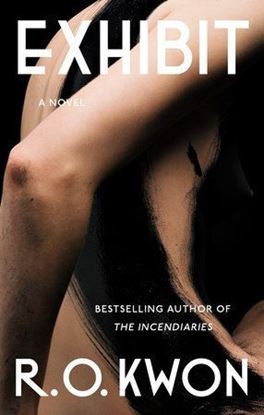
EXHIBIT
At a lavish party in the hills outside of San Francisco, Jin Han meets Lidija Jung and nothing will ever be the same for either woman. A brilliant young photographer, Jin is at a crossroads in her work, in her marriage to her college love Philip, and in who she is and who she wants to be. Lidija is an alluring, injured world-class ballerina on hiatus from her ballet company under mysterious circumstances. Drawn to each other by their intense artistic drives, the two women talk all night.
Cracked open, Jin finds herself telling Lidija about an old familial curse, breaking a lifelong promise. She’s been told that if she doesn’t keep the curse a secret, she risks losing everything; death and ruin could lie ahead. As Jin and Lidija become more entangled, they realize they share more than the ferocity of their ambition, and begin to explore hidden desires. Something is ignited in Jin: her art, her body, and her sense of self irrevocably changed. But can she avoid the specter of the curse? Vital, bold, powerful, and deeply moving, Exhibit asks: how brightly can you burn before you light your life on fire?
995
995
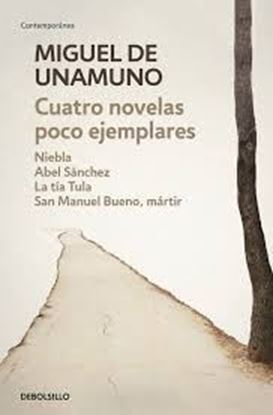
NOVELAS POCO EJEMPLARES (4 TIT.) (BOL)
Cuatro novelas imprescindibles de Miguel de Unamuno reunidas en un único volumen. Las cuatro novelas aquí reunidas -Niebla, Abel Sánchez, La tía Tula y San Manuel Bueno, mártir- son consideradas, casi unánimemente, como las más destacables de su autor. Son también, sin duda, las más ampliamente conocidas, y las cuatro sumadas bastan para asegurarle el lugar excéntrico pero inesquivable que ocupa en el irregular panorama de la narrativa española del siglo XX. Pese a que sus protagonistas son, respectivamente, un alma cándida, un penitente, una virgen y un sacerdote, sus destinos carecen, hoy todavía más que en su día, de toda ejemplaridad, como carecen también de ejemplaridad, aunque en otro orden, las estrategias empleadas para narrarlos. Y esta es probablemente la razón que los sigue haciendo portentosos y atractivos.
995