

650
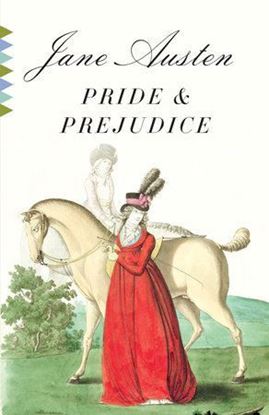
PRIDE AND PREJUDICE (VINTAGE CLASSIC)
No novel in English has given more pleasure than Pride and Prejudice. Because it is one of the great works in our literature, critics in every generation reexamine and reinterpret it. But the rest of us simply fall in love with it--and with its wonderfully charming and intelligent heroine, Elizabeth Bennet.
We are captivated not only by the novel's romantic suspense but also by the fascinations of the world we visit in its pages. The life of the English country gentry at the turn of the nineteenth century is made as real to us as our own, not only by Jane Austen's wit and feeling but by her subtle observation of the way people behave in society and how we are true or treacherous to each other and ourselves.
650
900
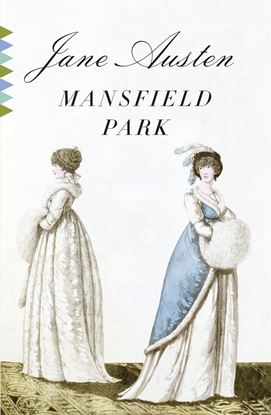
MANSFIELD PARK
Mansfield Park encompasses not only Jane Austen’s great comedic gifts and her genius as a historian of the human animal, but her personal credo as well—her faith in a social order that combats chaos through civil grace, decency, and wit.
At the novel’s center is Fanny Price, the classic “poor cousin,” brought as a child to Mansfield Park by the rich Sir Thomas Bertram and his wife as an act of charity. Over time, Fanny comes to demonstrate forcibly those virtues Austen most admired: modesty, firm principles, and a loving heart. As Fanny watches her cousins Maria and Julia cast aside their scruples in dangerous flirtations (and worse), and as she herself resolutely resists the advantages of marriage to the fascinating but morally unsteady Henry Crawford, her seeming austerity grows in appeal and makes clear to us why she was Austen’s own favorite among her heroines.
900
1,100
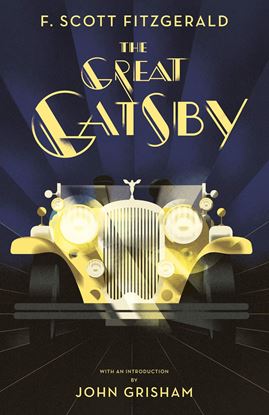
THE GREAT GATSBY (VINTAGE CLASSIC)
For generations of enthralled readers, the mysterious millionaire Jay Gatsby has come to embody all the glamour and decadence of the Roaring Twenties.
To F. Scott Fitzgerald’s bemused narrator, Nick Carraway, Gatsby appears to have emerged out of nowhere, evading questions about his murky past and throwing dazzling parties at his luxurious mansion. Nick finds something both appalling and appealing in the intensity of his new neighbor’s ambition, and his fascination grows when he discovers that Gatsby is obsessed by a long-lost love, Daisy Buchanan.
But Daisy and her wealthy husband are cynical and careless people, and as Gatsby’s dream collides with reality, Nick is witness to the violence and tragedy that result. The Great Gatsby's remarkable staying power is owed to the lyrical freshness of its storytelling and to the way it illuminates the hollow core of the glittering American dream.
With a new introduction by John Grisham.
1,100