

600
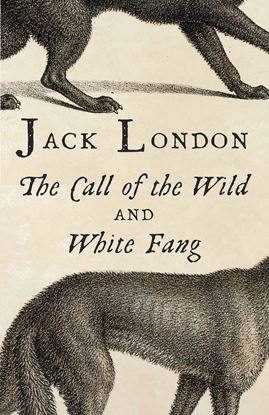
THE CALL OF THE WILD, WHITE FANG
Jack London’s two most beloved tales of survival in Alaska were inspired by his experiences in the Yukon during the Klondike Gold Rush. Both novels grippingly dramatize the harshness of the natural world and what lies beneath the thin veneer of human civilization.
The canine hero of The Call of the Wild is Buck, a pampered pet in California who is stolen and forced to be a sled dog in the Alaskan wilderness. There he suffers from the brutal extremes of nature and equally brutal treatment by a series of masters, until he learns to heed his long-buried instincts and turn his back on civilization. White Fang charts the reverse journey, as a fierce wolf-dog hybrid born in the wild is eventually tamed. White Fang is adopted as a cub by a band of Indians, but when their dogs reject him he grows up violent, defensive, and dangerous. Traded to a man who stages fights, he is forced to face dogs, wolves, and lynxes in gruesome battles to the death, until he is rescued by a gold miner who sets out to earn his trust.
600
650
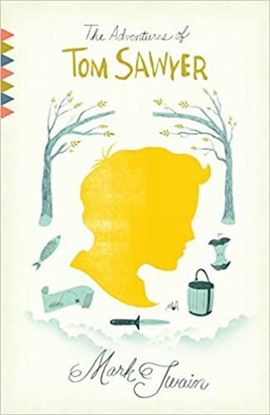
THE ADVENTURES OF TOM SAWYER (VINTAGE CL
Mark Twain was one of the nineteenth century's greatest chroniclers of childhood, and of all his works his beloved novel The Adventures of Tom Sawyer most enchantingly and timelessly captures the sheer pleasure of being a boy.
Tom Sawyer is as clever, imaginative, and resourceful as he is reckless and mischievous, whether conning his friends into painting a fence, playing pirates with his pal Huck Finn, witnessing his own funeral, or helping to catch a murderer. Twain’s novel glows with nostalgia for the Mississippi River towns of his youth and sparkles with his famous humor, but it is also woven throughout with a subtle awareness of the injustices and complexities of the old South that Twain so memorably portrays.
650
700
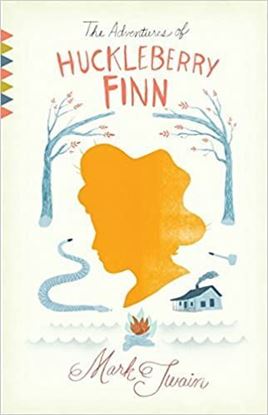
THE ADVENTURES OF HUCKLEBERRY FINN
Long cherished by readers of all ages, The Adventures of Huckleberry Finn is both a hilarious account of an incorrigible truant and a powerful parable of innocence in conflict with the fallen adult world.
The mighty Mississippi River of the antebellum South gives the novel both its colorful backdrop and its narrative shape, as the runaways Huck and Jim—a young rebel against civilization allied with an escaped slave—drift down its length on a flimsy raft. Their journey, at times rollickingly funny but always deadly serious in its potential consequences, takes them ever deeper into the slave-holding South, and our appreciation of their shared humanity grows as we watch them travel physically farther from yet morally closer to the freedom they both passionately seek.
700