



1,650
EL LOCO DE DIOS EN EL FIN DEL MUNDO
Soy ateo. Soy anticlerical. Soy un laicista militante, un racionalista contumaz, un impío riguroso. Pero aquí me tienen, volando en dirección a Mongolia con el anciano vicario de Cristo en la Tierra, dispuesto a interrogarle sobre la resurrección de la carne y la vida eterna. Para eso me he embarcado en este avión: para preguntarle al papa Francisco si mi madre verá a mi padre más allá de la muerte, y para llevarle a mi madre su respuesta. He aquí un loco sin Dios persiguiendo al loco de Dios hasta el fin del mundo».
Este es el arranque fulgurante de este libro único, que nadie había tenido la oportunidad de escribir, entre otras razones porque el Vaticano jamás le había abierto de par en par sus puertas a un escritor. Pero, además de único, este es un libro de plenitud, donde su autor logra convertir una propuesta insólita en un relato propio y magistral: un thriller sobre el mayor misterio de la historia de la Humanidad. Con esta novela sin ficción, Javier Cercas vuelve a su línea más personal, en la que logra enlazar sus obsesiones íntimas con una de las preocupaciones fundamentales de la sociedad actual: el papel en la vida humana de lo espiritual y lo transcendente, el lugar en ella de la religión y el ansia de inmortalidad.
1,650

1,450
TRAS LA PUERTA
Mientras de niña Nora Davis dedicaba las tardes a hacer los deberes en su habitación, no tenía ni idea de que su padre estaba asesinando mujeres en el sótano.
Hasta el día en que la policía llamó a la puerta.
Décadas más tarde, el padre de Nora pasa su vida entre rejas y ella es una cirujana de éxito con una existencia tranquila y solitaria. Nadie sabe que su padre es un famoso asesino en serie. Y ella está dispuesta a todo para que siga siendo así.
Entonces Nora descubre que una de sus jóvenes pacientes ha sido asesinada. De la misma horrible y peculiar manera en la que su padre mataba a sus víctimas.
1,450
1,200
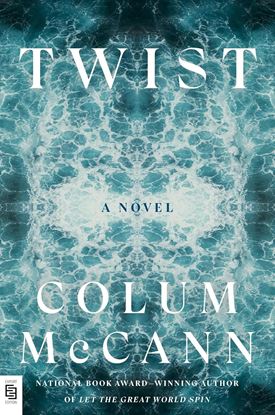
TWIST
Anthony Fennell, a journalist, is in pursuit of a story buried at the bottom of the sea: the network of tiny fibre-optic tubes that carry the world's information across the ocean floor - and what happens when they break. A darkly epic novel about connection, disconnection and destruction - from bestselling and National Book Award-winning author Colum McCann.
1,200
1,500
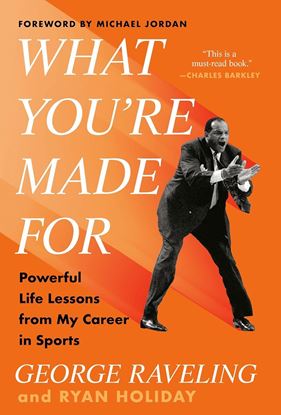
WHAT YOU'RE MADE FOR
Orphaned at just thirteen in a still-segregated Washington, D.C., George Raveling was introduced to a relatively unpopular sport—basketball—in high school. The rest, as they say, is history. Raveling went on to become one of the winningest coaches of all time, a mentor to legendary athletes, and a confidant of the sport’s greatest coaches, including Bob Knight and John Wooden. He convinced Michael Jordan to collaborate with Nike on the Air Jordan. He led the 1984 U.S. men’s Olympic team to their ninth gold medal. He even once owned the original, handwritten copy of Dr. King’s most famous speech after an unlikely stint as a bodyguard during the famous March on Washington.
Here, Coach Raveling tells the story of his extraordinary ascent, sharing incredible behind-the-scenes stories of his days working with the best in the game. But this book is more than a memoir—it’s a manual for life that presents surprising methods for harnessing your potential from a man who shaped the careers of so many legends. Raveling imparts lessons learned from his grandmother, his long career in basketball, and his lifelong habit of reading—to which he credits all his success.
1,500

1,250
STEPPENWOLF
At first glance, Harry Haller seems like a respectable, educated man. In reality, he is the Steppenwolf: wild, strange, alienated from society, and repulsed by the modern age. But as he is drawn into a series of dreamlike and sometimes savage encounters—accompanied by, among others, Mozart, Goethe, and the bewitching Hermione—the misanthropic Haller undergoes a spiritual, even psychedelic, journey, and ultimately discovers a higher truth and the possibility of happiness.
1,250
995
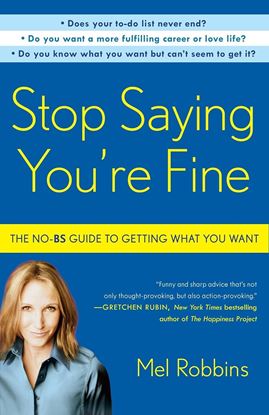
STOP SAYING YOU ARE FINE
Mel Robbins has spent her career teaching people how to push past their self-imposed limits to get what they truly desire. She has an in-depth understanding of the psychological and social factors that repeatedly hold you back, and more important, a unique set of tools for getting you where you want to be.
In Stop Saying You're Fine, she draws on neuroscientific research, interviews with countless everyday people, and ideas she's tested in her own life to show what works and what doesn't. The key, she explains, is understanding how your own brain works against you. Because evolution has biased your mental gears against taking action, what you need are techniques to outsmart yourself.
995