

1,350
1,013
PELANDO LA CEBOLLA
El libro más polémico del Premio Nobel de Literatura Günter Grass
«El recuerdo se asemeja a una cebolla que quisiera ser pelada para dejar al descubierto lo que, letra por letra, puede leerse en ella.»
Pelando la cebolla es un extraordinario ejercicio de memoria en el que Günter Grass se pregunta sin autocomplacencia y con absoluta sinceridad por los sucesos que marcaron los primeros años de su vida. Desde su niñez en Danzig, su incorporación a la Waffen SS, su trabajo como minero sobre los escombros de aquella Alemania de posguerra, hasta su exilio en París, donde escribirá a lo largo de dos durísimos años El tambor de hojalata.
Este libro es la narración de una vida intensa y es, a la vez, una honesta confesiónen la que Günter Grass plantea cómo el no preguntar supone una forma de compromiso. Las páginas de Pelando la cebolla gozan de una frescura y fuerza genuinas que nos invitan a adentrarnos en la obra de un escritor que ya es uno de los clásicos indiscutidos de la literatura actual.
1,350
1,013
1,100
825
TOM JONES
Tom, a foundling, is discovered one evening by the benevolent Squire Allworthy and his sister Bridget and brought up as a son in their household; when his sexual escapades and general misbehavior lead them to banish him, he sets out in search of both his fortune and his true identity. Amorous, high-spirited, and filled with what Fielding called “the glorious lust of doing good,” but with a tendency toward dissolution, Tom Jones is one of the first characters in English fiction whose human virtues and vices are realistically depicted. This edition is set from the text of the Wesleyan Edition of the Works of Henry Fielding.
1,100
825
550
413
THE SCARLET LETTER
At once retrospective and radically new, The Scarlet Letter portrays seventeenth-century Puritan New England, a time period irreversibly encoded in the American identity. Hawthorne built one of the most incisive and devastating human dramas ever written out of a community and its outcasts: Hester Prynne and Arthur Dimmesdale, one emblazoned with sin and the other distraught with hidden guilt; Pearl, a child born into ostracism; and Roger Chillingworth, driven to vengeance by hatred. Though these characters face a set of specifically troubling circumstances, their words and actions point to moral truths inherent in human affairs, independent of time and place.
550
413
700
525
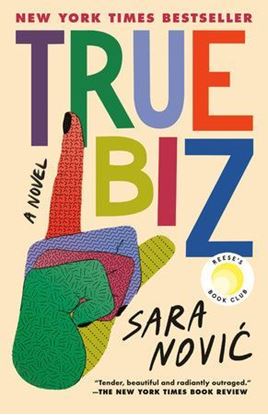
TRUE BIZ
True biz? The students at the River Valley School for the Deaf just want to hook up, pass their history finals, and have politicians, doctors, and their parents stop telling them what to do with their bodies. This revelatory novel plunges readers into the halls of a residential school for the deaf, where they’ll meet Charlie, a rebellious transfer student who’s never met another deaf person before; Austin, the school’s golden boy, whose world is rocked when his baby sister is born hearing; and February, the hearing headmistress, a CODA (child of deaf adult(s)) who is fighting to keep her school open and her marriage intact, but might not be able to do both. As a series of crises both personal and political threaten to unravel each of them, Charlie, Austin, and February find their lives inextricable from one another—and changed forever.
700
525
700
525
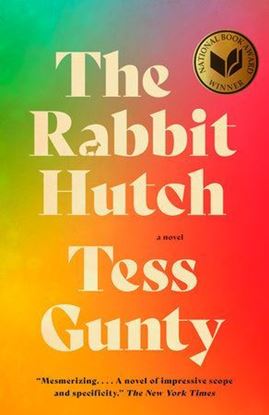
THE RABBIT HUTCH
The automobile industry has abandoned Vacca Vale, Indiana, leaving its residents behind, too. In a run-down apartment building on the edge of town, commonly known as the Rabbit Hutch, lives one of these people, a young girl named Blandine Watkins, who The Rabbit Hutch centers around. Hauntingly beautiful and unnervingly bright, Blandine lives alongside three teenage boys, all recently aged out of the state foster-care system, all of them madly in love with Blandine. Plagued by the structures, people, and places that not only failed her but actively harmed her, Blandine pays no mind to their affection. All she wants is an escape, a true bodily escape like the mystics describe in the books she reads.
700
525
1,250
938
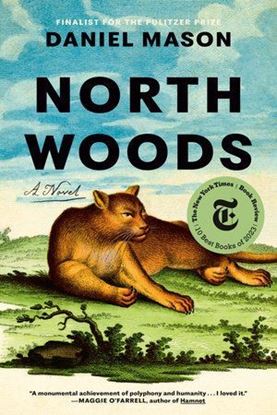
NORTH WOODS
When two young lovers abscond from a Puritan colony, little do they know that their humble cabin in the woods will become the home of an extraordinary succession of human and nonhuman characters alike. An English soldier, destined for glory, abandons the battlefields of the New World to devote himself to growing apples. A pair of spinster twins navigate war and famine, envy and desire. A crime reporter unearths an ancient mass grave—only to discover that the earth refuse to give up their secrets. A lovelorn painter, a sinister con man, a stalking panther, a lusty beetle: As the inhabitants confront the wonder and mystery around them, they begin to realize that the dark, raucous, beautiful past is very much alive.
1,250
938