


850
680
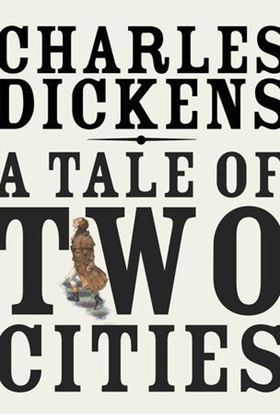
A TALE OF TWO CITIES
Set against the backdrop of the French Revolution, A Tale of Two Cities is one of Charles Dickens’s most popular and dramatic stories.
It begins on a muddy English road in an atmosphere charged with mystery and it ends in the Paris of the Revolution with one of the most famous acts of self-sacrifice in literature. In between lies one of Dickens’s most exciting books—a historical novel that, generation after generation, has given readers access to the profound human dramas that lie behind cataclysmic social and political events. Famous for its vivid characters, including the courageous French nobleman Charles Darnay, the vengeful revolutionary Madame Defarge, and cynical Englishman Sydney Carton, who redeems his ill-spent life in a climactic moment at the guillotine (“It is a far, far better thing that I do, than I have ever done”), the novel is also a powerful study of crowd psychology and the dark emotions aroused by the Revolution, illuminated by Dickens’s lively comedy.
850
680
295
236
700
560

1,150
920
295
236

295
236

1,500
1,200
HOUND OF THE BASKERVILLES (TD)
Part of Penguin's beautiful hardback Clothbound Classics series, designed by the award-winning Coralie Bickford-Smith, these delectable and collectible editions are bound in high-quality colourful, tactile cloth with foil stamped into the design. The terrible spectacle of the beast, the fog of the moor, the discovery of a body, this classic horror story pits detective against dog. When Sir Charles Baskerville is found dead on the wild Devon moorland with the footprints of a giant hound nearby, the blame is placed on a family curse. It is left to Sherlock Holmes and Doctor Watson to solve the mystery of the legend of the phantom hound before Sir Charles' heir comes to an equally gruesome end.
1,500
1,200

1,850
1,480
800
640
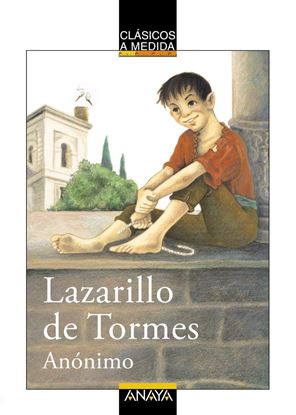
EL LAZARILLO DE TORMES (ANAYA)
Lázaro, hijo de un ladrón y acemilero, queda huérfano en Salamanca. Estará al servicio de diferentes amos (un ciego, un hidalgo arruinado, un clérigo avaricioso, un fraile de la Merced, un buldero farsante, etc.), y ejercerá varios oficios, que permiten al narrador realizar una sátira de los diferentes estamentos de la sociedad de la época y reflexionar con ironía sobre el tema de la honra.
800
640