850
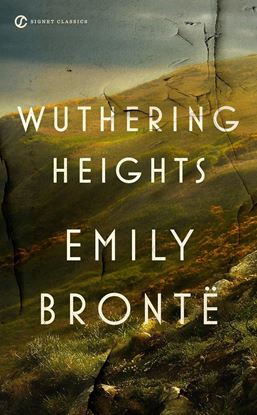
WUTHERING HEIGHTS
There are few more convincing, less sentimental accounts of passionate love than Wuthering Heights. This is the story of the savage, tormented foundling Heathcliff, who falls wildly in love with Catherine Earnshaw, the daughter of his benefactor, and of the violence and misery that result from their thwarted longing for each other.
850
1,500
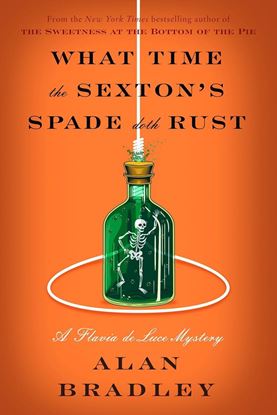
WHAT TIME THE SEXTON'S SPADE DOTH RUST
Flavia de Luce has taken on the mentorship of her odious moon-faced cousin Undine, who has come to live at Buckshaw following the death of her mother. Undine’s main talent, aside from cultivating disgusting habits, seems to be raising Flavia’s hackles, although in her best moments she shows potential for trespassing, trickery, and other assorted mayhem.
When Major Greyleigh, a local recluse and former hangman, is found dead after a breakfast of poisonous mushrooms, suspicion falls on the de Luce family’s longtime cook, Mrs. Mullet. After all, wasn’t it she who’d picked the mushrooms, cooked the omelet, and served it to Greyleigh moments before his death? “I have to admit,” says Flavia, an expert in the chemical nature of poisons, “that I’d been praying to God for a jolly good old-fashioned mushroom poisoning. Not that I wanted anyone to die, but why give a girl a gift such as mine without giving her the opportunity to use it?”
1,500
1,400
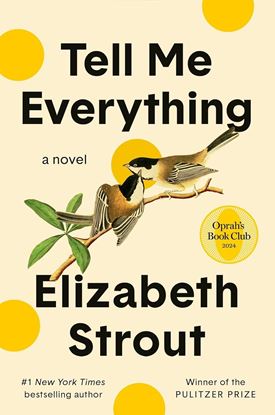
TELL ME EVERYTHING
With her remarkable insight into the human condition and silences that contain multitudes, Elizabeth Strout returns to the town of Crosby, Maine, and to her beloved cast of characters—Lucy Barton, Olive Kitteridge, Bob Burgess, and more—as they deal with a shocking crime in their midst, fall in love and yet choose to be apart, and grapple with the question, as Lucy Barton puts it, “What does anyone’s life mean?”
1,400