
995
796
LASCIVIA. LIBRO 1 (PECADOS 1) (BOL)
EN CUESTIONES DE PASIÓN NO HAY AMIGOS NI ALIANZAS... NI COMPROMISOS.
Tras las vacaciones, Rachel James debe volver a su puesto como teniente en el ejército de la FEMF y se encuentra con que la central de Londres no es la misma, ya que los cimientos de su vida perfecta tiemblan con la llegada de un nuevo coronel, soberbio y con una belleza inhumana, que ha tomado el comando.
Christopher Morgan está al mando y cree tenerlo todo claro, pero las tentaciones desencadenarán un torbellino de pasiones soltando el tipo de llama que hace arder a aquellos que se hacen llamar amantes.
Este complicado juego empieza con Lascivia, una historia +21 ambientada en el mundo de la milicia y la mafia, cargada de traiciones, infidelidades, engaños y amores letalmente tóxicos.
995
796
1,250
1,000
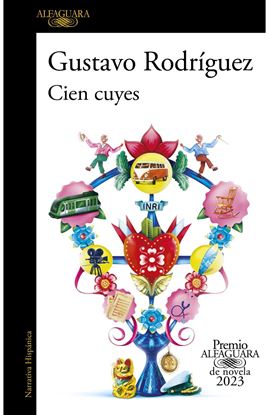
CIEN CUYES (PA2023)
Cuando Eufrasia Vela empieza a trabajar como cuidadora de ancianos, no sospecha que su oficio la llevará a una encrucijada existencial. La íntima relación que mantiene con doña Carmen, el doctor Harrison y Los Siete Magníficos —entrañables personajes que se apoderan de su pensamiento y su cariño— la obliga a replantearse su papel de madre y hermana, las vicisitudes de la longevidad, las formas de la compasión y el sorpresivo valor que los cuyes, esos conejillos de Indias tan peculiares, adquieren en su presupuesto moral. Acompañada de una banda sonora donde resuenan el huayno, el jazz, la balada y el pop, la historia de Cien cuyes rescata a la vez la impronta del cine como un contrapunto de la existencia de sus personajes y una fuente de revelaciones sobre el sentido de la vida y de la muerte cuando esta se aproxima.
«Cien cuyes es una novela tragicómica, situada en la Lima de hoy, que refleja uno de los grandes conflictos de nuestro tiempo: somos sociedades cada vez más longevas y cada vez más hostiles con la gente mayor. Paradoja que Gustavo Rodríguez aborda con destreza y humor. Un libro conmovedor cuyos protagonistas cuidan, son cuidados y defienden la dignidad hasta sus últimas consecuencias».
1,250
1,000

900
720
LASCIVIA. LIBRO 2 (PECADOS 1) (BOL)
Hay amores que hieren, patean y traicionan.
El capitán Bratt Lewis está de nuevo en el comando, con una nueva vida planeada y queriendo retomar el tiempo perdido. Pero las personas que dejó no son las mismas: Rachel James falló, el coronel ha jugado sucio y una nueva ficha ha entrado en el tablero.
Antoni Mascherano quien no es solo un bioquímico, sino también el líder de la mafia, ha puesto los ojos en la teniente James y su objetivo es tomarla como suya. El panorama se complica en esta segunda entrega donde los rencores empiezan a surgir, las relaciones, a agrietarse y los miedos, a avivarse.
Bien dicen que las verdades siempre salen a la luz, y el saber que tan cierto es se comprobará en esta nueva parte donde las pasiones no pueden ocultarse ni los sentimientos disimularse.
900
720
1,750
1,400
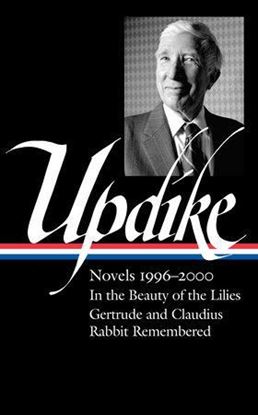
UPDIKE: NOVELS 1996–2000
The capstone volume of the Library of America edition of John Updike’s novels contains some of the master stylist and social observer’s most ambitious works.
In the Beauty of the Lilies (1996) opens in 1910, when Clarence Wilmot, a Presbyterian minister in Paterson, NJ, experiences a devastating loss of faith. This moment of crisis sets in motion an eighty-year, multigenerational saga whose subject is nothing less than the American Century and modernity itself, seen through the fluctuating fortunes of a single representative family.
In Gertrude and Claudius, Updike boldly imagines the long backstory to the world’s most famous play, prompting readers to revisit and perhaps revise their judgments about Hamlet’s notorious uncle and mother. Drawing on the twelfth- and fifteenth century sources for Hamlet, but also inventing a new history for Claudius in his far-flung travels across medieval Europe, Updike creates a vivid and surprising origin story for the fabled rottenness in Shakespeare’s Denmark.
1,750
1,400

1,450
1,160
WORKING TO RESTORE
Political upheaval and social turmoil have peeled back the glitzy layers of capitalism to reveal an uncomfortable truth: historically, businesses have sourced materials from remote corners of the globe and moved millions of people and tons of cargo around the clock—all in the name of profit. Yet many of today’s startups are rewriting the rules of business: how it’s done, by whom, and, most importantly, for what purpose. Journalist Esha Chhabra draws on her decades of reporting to explore not only the “feel good, do good” factors of these restorative enterprises but also the nuanced realities and promise of regenerative business operations.
1,450
1,160
850
680
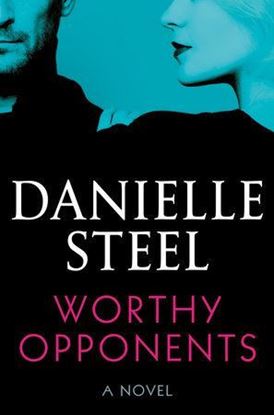
WORTHY OPPONENTS
Spencer Brooke always knew she was destined to be CEO of her grandfather’s business—the most respected and luxurious department store in New York City. Brooke’s has been at the center of every happy memory she has, but it hasn’t been an easy journey. Seven years after her father’s death, her life is very different from the days when she walked through the store with her grandfather as a young girl. She may be the owner of Brooke’s, but she’s also now a divorced single mother of twin boys. And with the ever-evolving landscape of the fashion industry comes new challenges for Spencer and the legacy she’s inherited.
Mike Weston is known for making enormous profits by transforming small businesses into bigger, more successful ones. With his marriage at a breaking point and his children grown up, investing is where he thrives—where he can build something greater. And Brooke’s feels like the perfect opportunity. Yet the firm’s beautiful and savvy CEO turns down the offer before they even meet.
Spencer has no interest in outside investors meddling in her family business; her grandfather never saw the need for them, and neither does she. She refuses to be tempted by Mike’s offer, despite her big dreams of expanding the store. But when bad luck strikes, suddenly she is backed into a corner.
In Worthy Opponents, Danielle Steel crafts a thrilling story about a powerful woman—and her equally formidable opponent.
850
680