

900
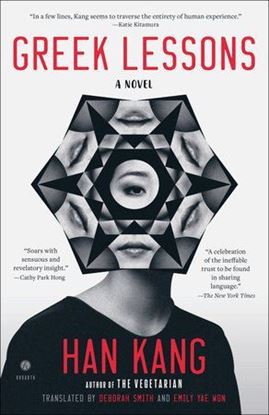
GREEK LESSONS
Now and then, language would thrust its way into her sleep like a skewer through meat, startling her awake several times a night."
In a classroom in Seoul, a young woman watches her Greek language teacher at the blackboard. She tries to speak but has lost her voice. Her teacher finds himself drawn to the silent woman, for day by day he is losing his sight.
Soon the two discover a deeper pain binds them together. For her, in the space of just a few months, she has lost both her mother and the custody battle for her nine-year-old son. For him, it's the pain of growing up between Korea and Germany, being torn between two cultures and languages, and the fear of losing his independence.
900
1,600
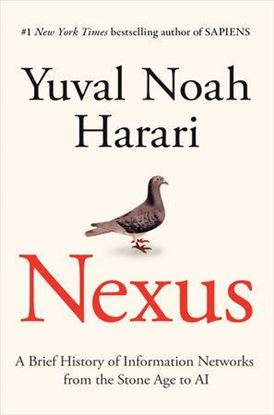
NEXUS (VERSION INGLES)
Nexus looks through the long lens of human history to consider how the flow of information has shaped us, and our world. Taking us from the Stone Age, through the canonization of the Bible, early modern witch-hunts, Stalinism, Nazism, and the resurgence of populism today, Yuval Noah Harari asks us to consider the complex relationship between information and truth, bureaucracy and mythology, wisdom and power. He explores how different societies and political systems throughout history have wielded information to achieve their goals, for good and ill. And he addresses the urgent choices we face as non-human intelligence threatens our very existence.
1,600
1,500
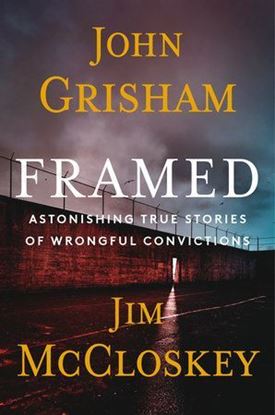
FRAMED
John Grisham is known worldwide for his bestselling novels, but it’s his real-life passion for justice that led to his work with Jim McCloskey of Centurion Ministries, the first organization dedicated to exonerating innocent people who have been wrongly convicted. Together they offer an inside look at the many injustices in our criminal justice system.
A fundamental principle of our legal system is a presumption of innocence, but once someone has been found guilty, there is very little room to prove doubt. These ten true stories shed light on Americans who were innocent but found guilty and forced to sacrifice friends, families, and decades of their lives to prison while the guilty parties remained free. In each of the stories, John Grisham and Jim McCloskey recount the dramatic hard-fought battles for exoneration. They take a close look at what leads to wrongful convictions in the first place and the racism, misconduct, flawed testimony, and corruption in the court system that can make them so hard to reverse.
1,500