


1,850
1,480
700
560
SENSE AND SENSIBILITY (VINTAGE CLASSIC)
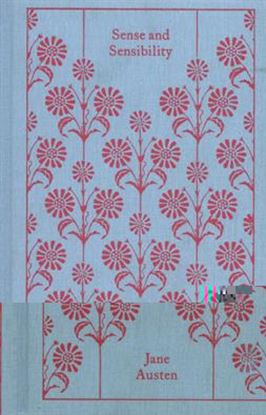
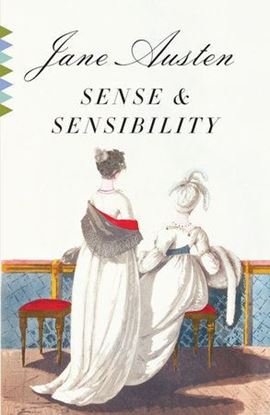
In its marvelously perceptive portrayal of two young women in love, Sense and Sensibility is the answer to those critics and readers who believe that Jane Austen's novels, despite their perfection of form and tone, lack strong feeling. Its two heroines--so utterly unlike each other-both undergo the most violent passions when they are separated from the men they love. What differentiates them, and gives this extroardinary book its complexity and brilliance, is the way each expresses her suffering: Marianne-young, impetuous, ardent-falls into paroxysms of grief when she is rejected by the dashing John Willoughby; while her sister, Elinor--wiser, more sensible, more self-controlled--masks her despair when it appears that Edward Ferrars is to marry the mean-spirited and cunning Lucy Steele. All, of course, ends happily--but not until Elinor's "sense" and Marianne's "sensibility" have equally worked to reveal the profound emotional life that runs beneath the surface of Austen's immaculate and irresistible art.
700
560
950
760
SENTIDO Y SENSIBILIDAD (ED. CONMEMORATIV
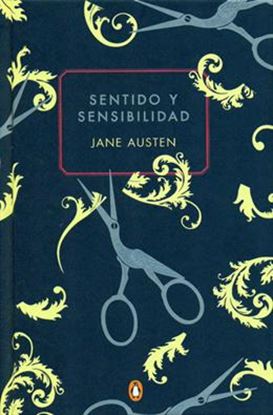
En sentido y sensibilidad, Jane Austen explora con sutileza e ironía las opciones de la mujer en una sociedad rígida, donde el éxito o el fracaso dependen de la elección del marido. La historia se centra en dos hermanas, Elinor y Marianne, cuyas personalidades antagónicas ejemplifican dos posibles respuestas femeninas ante la hipocresía dominante: el «sentido común» y la «sensibilidad». Sin embargo, tanto un camino como el otro entrañan sus peligros.
950
760