

995
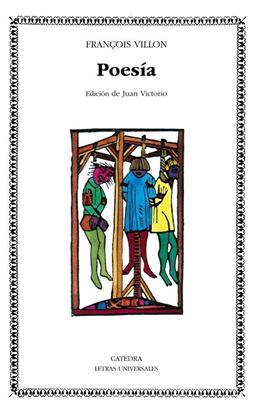
POESIA
François Villon nació en París, en 1431. De su turbulenta vida nos han llegado pocos datos, la mayor parte relacionados con hechos criminales. Hombre de letras al fin y al cabo, Villon utilizó formas establecidas para sus poemas desenfadados, vitalistas y ofensivos. La frescura de su obra (comparable a la del Arcipreste de Hita o a la de Rabelais) ha perdurado intacta hasta nuestros días.
995

1,150
POEMAS. OBRAS MAESTRAS (VOL. IV)
Charlotte concibió la idea de una publicación conjunta de unos veinte poemas individuales de cada una. Teniendo en cuenta el prejuicio de la época, decidieron hacerlo bajo seudónimos de apariencia masculina, y así Charlotte fue “Currer”, Emily fue “Ellis” y Anne fue “Acton”, nombres formados con las iniciales de cada una. Como apellido conjunto eligieron Bell». En 1846, pagándose ellas mismas la edición, se publicó el libro Poemas de Currer, Ellis y Acton Bell. Sólo se vendieron dos ejemplares y dos fueron las únicas reseñas que recibió el libro. Pero el fracaso de sus poemas no sólo no las abatió, sino que les sirvió de acicate para las producciones literarias de cada una. Y así, al año siguiente, 1847, aparecieron las novelas Jane Eyre, de Charlotte; Cumbres borrascosas, de Emily, y Agnes Grey, de Anne.
1,150

1,550
POEMAS ESCOGIDOS 1962-1996
Quien escribe un poema lo escribe, antes que nada, porque el poema es un colosal acelerador de la conciencia, del pensamiento, de la percepción del mundo». Del discurso de Joseph Brodsky al recibir el Premio Nobel de LiteraturaA caballo entre dos lenguas durante décadas, el bilingüismo de Brodsky no solo revitaliza con singular desenvoltura un lenguaje heredado, sino que también proyecta una radical y profunda exploración de sus metros e imágenes, elevada a una forma particular de metafísica. Sin embargo, Brodsky es también un poeta eminentemente físico, cuyo tema fundamental es la encrucijada entre el espacio, el tiempo y los sentidos. Ningún otro escritor contemporáneo habla tanto de la intemperie. Sus musas no son Calíope ni Tersícore, ni sus artísticas hermanas asociadas con emociones y sentidos, sino Urania, musa de la astronomía, «más vieja que Clío», matrona del conocimiento estelar, del espacio puro, de esas extensiones heladas en medio de las cuales el hombre parece el derrubio lodoso que arrastra un glaciar.
1,550