

800
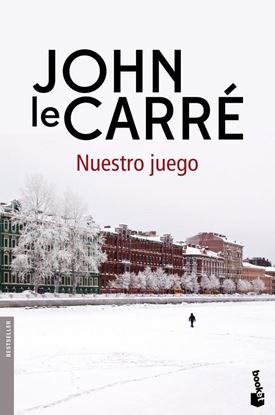
NUESTRO JUEGO (BOL)
Tim Cranmer, retirado agente secreto, y Larry Pettifer, radical y aburrido catedrático, mujeriego y, durante veinte años, volátil agente doble de Tim contra la ahora desvanecida amenaza comunista, tienen una irresuelta rivalidad que se inició décadas atrás. Se siguen uno al otro entre las zonas salvajes y sin ley de Moscú, y después por el sur de Rusia hasta una pequeña y desconocida nación que se convierte en el terreno del gran final de esta deslumbrante novela de John le Carré.
800
1,650
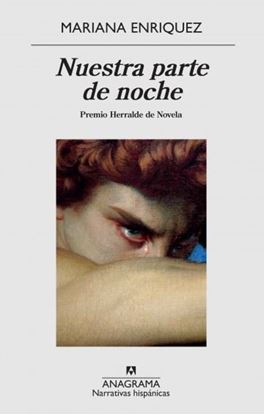
NUESTRA PARTE DE LA NOCHE
La herencia, el deseo de pervivir, la paternidad, el horror, lo íntimo y lo político. Una novela libre y osada, hechizante y genial.
Un padre y un hijo atraviesan Argentina por carretera, desde Buenos Aires hacia las cataratas de Iguazú, en la frontera norte con Brasil. Son los años de la junta militar, hay controles de soldados armados y tensión en el ambiente. El hijo se llama Gaspar y el padre trata de protegerlo del destino que le ha sido asignado. La madre murió en circunstancias poco claras, en un accidente que acaso no lo fue.
Como su padre, Gaspar está llamado a ser un médium en una sociedad secreta, la Orden, que contacta con la Oscuridad en busca de la vida eterna mediante atroces rituales. En ellos es vital disponer de un médium, pero el destino de estos seres dotados de poderes especiales es cruel, porque su desgaste físico y mental es rápido e implacable. Los orígenes de la Orden, regida por la poderosa familia de la madre de Gaspar, se remontan a siglos atrás, cuando el conocimiento de la Oscuridad llegó desde el corazón de África a Inglaterra y desde allí se extendió hasta Argentina.
El lector encontrará en estas páginas casas cuyo interior muta; pasadizos que esconden monstruos inimaginables; rituales con fieros y extáticos sacrificios humanos; andanzas en el Londres psicodélico de los años sesenta, donde la madre de Gaspar conoció a un joven cantante de aire andrógino llamado David; párpados humanos convertidos en fetiches; enigmáticas liturgias sexuales; la relación entre padres e hijos, con la carga de una herencia atroz; y, de fondo, la represión de la dictadura militar, los desaparecidos y, más adelante, la incierta llegada de la democracia, los primeros brotes del sida en Buenos Aires...
El terror sobrenatural se entrecruza con terrores muy reales en esta novela perturbadora y deslumbrante, que consagra a Mariana Enriquez como una escritora fundamental de las letras latinoamericanas del siglo XXI.
1,650
750
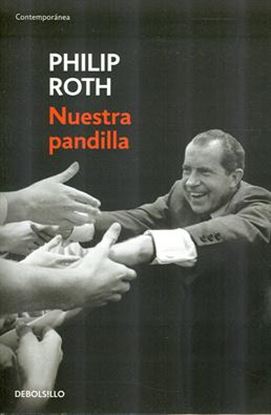
NUESTRA PANDILLA (BOL)
Trick E. Dixon es un cuáquero, amante de la paz y convencido del carácter sagrado de la vida humana, que no tiene el menor inconveniente en aplicar la noción de defensa propia a la matanza de mujeres y niños desarmados. Es un maestro de la política, y en su rostro hay siempre una desdeñosa expresión de honradez, pero ello no le impide entrar en batalla con los boy scouts ni declarar la guerra al gobierno pro-pornografía de Dinamarca, confiando siempre en la indiferencia básica de los votantes.
PHILlP ROTH es uno de los escritores estadounidenses más leídos e influyentes de los últimos tiempos. La calidad de su obra está avalada por premios como el National Book Award o el Pulitzer, y cada nueva obra suya despierta expectación en todo el mundo.
750