650
650
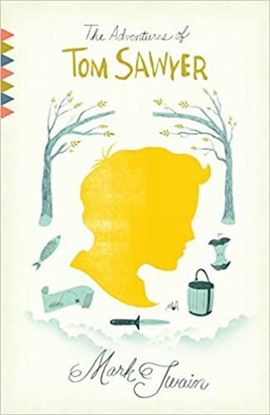
THE ADVENTURES OF TOM SAWYER (VINTAGE CL
Mark Twain was one of the nineteenth century's greatest chroniclers of childhood, and of all his works his beloved novel The Adventures of Tom Sawyer most enchantingly and timelessly captures the sheer pleasure of being a boy.
Tom Sawyer is as clever, imaginative, and resourceful as he is reckless and mischievous, whether conning his friends into painting a fence, playing pirates with his pal Huck Finn, witnessing his own funeral, or helping to catch a murderer. Twain’s novel glows with nostalgia for the Mississippi River towns of his youth and sparkles with his famous humor, but it is also woven throughout with a subtle awareness of the injustices and complexities of the old South that Twain so memorably portrays.
650
650
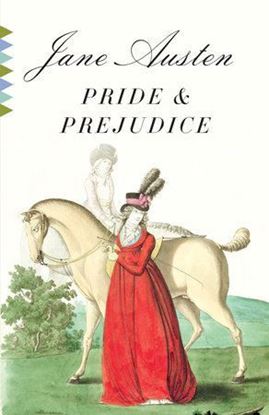
PRIDE AND PREJUDICE (VINTAGE CLASSIC)
No novel in English has given more pleasure than Pride and Prejudice. Because it is one of the great works in our literature, critics in every generation reexamine and reinterpret it. But the rest of us simply fall in love with it--and with its wonderfully charming and intelligent heroine, Elizabeth Bennet.
We are captivated not only by the novel's romantic suspense but also by the fascinations of the world we visit in its pages. The life of the English country gentry at the turn of the nineteenth century is made as real to us as our own, not only by Jane Austen's wit and feeling but by her subtle observation of the way people behave in society and how we are true or treacherous to each other and ourselves.
650
650
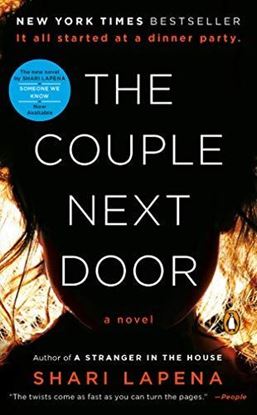
THE COUPLE NEXT DOOR (MM)
AN INSTANT NEW YORK TIMES BESTSELLER Shari Lapena's new thriller, AN UNWANTED GUEST, is available now! "The twists come as fast [as] you can turn the pages." --People "Provocative and shocking." --Lisa Gardner, New York Times bestselling author of Find Her "I read this novel at one sitting, absolutely riveted by the storyline. The suspense was beautifully rendered and unrelenting!" --Sue Grafton, New York Times bestselling author of X It all started at a dinner party. . . A domestic suspense debut about a young couple and their apparently friendly neighbors--a twisty, rollercoaster ride of lies, betrayal, and the secrets between husbands and wives. . . Anne and Marco Conti seem to have it all--a loving relationship, a wonderful home, and their beautiful baby, Cora. But one night, when they are at a dinner party next door, a terrible crime is committed. Suspicion immediately lands on the parents. But the truth is a much more complicated story. Inside the curtained house, an unsettling account of what actually happened unfolds. Detective Rasbach knows that the panicked couple is hiding something. Both Anne and Marco soon discover that the other is keeping secrets, secrets they've kept for years. What follows is the nerve-racking unraveling of a family--a chilling tale of deception, duplicity, and unfaithfulness that will keep you breathless until the final shocking twist.
650
650
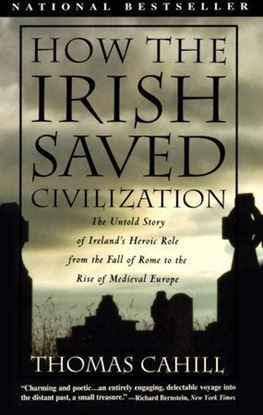
HOW THE IRISH SAVED CIVILIZATION
Every year millions of Americans celebrate St. Patrick’s Day, but they may not be aware of how great an influence St. Patrick was on the subsequent history of civilization. Not only did he bring Christianity to Ireland, he instilled a sense of literacy and learning that would create the conditions that allowed Ireland to become “the isle of saints and scholars”—and thus preserve Western culture while Europe was being overrun by barbarians.
In this entertaining and compelling narrative, Thomas Cahill tells the story of how Europe evolved from the classical age of Rome to the medieval era. Without Ireland, the transition could not have taken place. Not only did Irish monks and scribes maintain the very record of Western civilization — copying manuscripts of Greek and Latin writers, both pagan and Christian, while libraries and learning on the continent were forever lost—they brought their uniquely Irish world-view to the task.
As Cahill delightfully illustrates, so much of the liveliness we associate with medieval culture has its roots in Ireland. When the seeds of culture were replanted on the European continent, it was from Ireland that they were germinated.
650
600
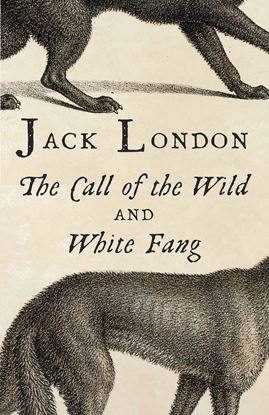
THE CALL OF THE WILD, WHITE FANG
Jack London’s two most beloved tales of survival in Alaska were inspired by his experiences in the Yukon during the Klondike Gold Rush. Both novels grippingly dramatize the harshness of the natural world and what lies beneath the thin veneer of human civilization.
The canine hero of The Call of the Wild is Buck, a pampered pet in California who is stolen and forced to be a sled dog in the Alaskan wilderness. There he suffers from the brutal extremes of nature and equally brutal treatment by a series of masters, until he learns to heed his long-buried instincts and turn his back on civilization. White Fang charts the reverse journey, as a fierce wolf-dog hybrid born in the wild is eventually tamed. White Fang is adopted as a cub by a band of Indians, but when their dogs reject him he grows up violent, defensive, and dangerous. Traded to a man who stages fights, he is forced to face dogs, wolves, and lynxes in gruesome battles to the death, until he is rescued by a gold miner who sets out to earn his trust.
600