
NOVEDADES







900
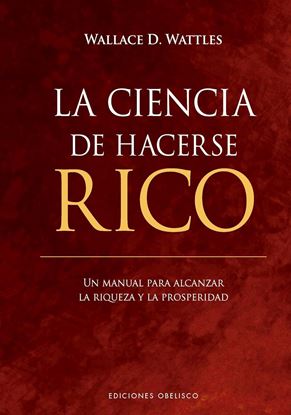
LA CIENCIA DE HACERSE RICO
Existe una ciencia para hacerse rico, y es una ciencia exacta, como lo son el álgebra o las matemáticas. Hay ciertas leyes que gobiernan el proceso de adquirir la riqueza; unas leyes que, una vez aprendidas y seguidas por cualquier hombre, harán que se enriquezca con una certeza matemática. Se trata de una ley natural que hace que determinadas causas produzcan determinados efectos; y, por lo tanto, cualquier hombre o mujer que aprende a desenvolverse con soltura con sus normas, infaliblemente se enriquecerá. El presente libro, sin duda el manual para enriquecerse más famoso de todos los tiempos, le revelará cómo alcanzar la riqueza y la prosperidad utilizando el sistema que usaron cientos de multimillonarios norteamericanos.
900
900
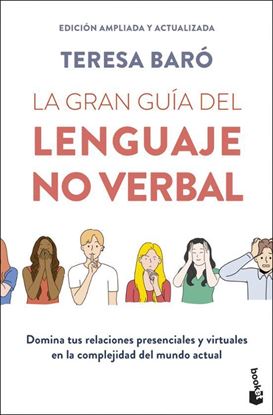
LA GRAN GUIA DEL LENGUAJE NO VERB. (BOL)
En La gran guía del lenguaje no verbal, Teresa Baró, consultora en comunicación, recoge su experiencia y los conocimientos de los especialistas más importantes de la materia en una visión totalmente actual de las relaciones personales y profesionales. Una para dominar la parte más inconsciente de la comunicación, manejar la propia y comprender mejor a los demás.
Desde su primera publicación en 2013, miles de personas han descubierto cómo mejorar su vida personal y laboral, controlar la imagen que proyectan y diseñar su marca personal. Pero en estos últimos años, nuestro cerebro ha tenido que adaptarse a una nueva forma de percibir el lenguaje no verbal y hemos aprendido otras formas de influir en los demás. En esta nueva edición, Baró incorpora contenidos indispensables para que nos podamos adaptar a los cambios sociales, liderar las relaciones digitales y controlar nuestra reputación en las redes.
Con imágenes, ejemplos y consejos muy prácticos, esta obra es un completo plan de entrenamiento personalizado para desarrollar tus habilidades de comunicación en todos los ámbitos.
900
900
EL MAPA DE LAS HORAS
El mapa que este texto propone -desde su título hasta sus paradas, sus voces y sus silencioses una travesía interior necesaría para poder valorar mejor , mirar, escuchar y sentir la crudeza exterior del “ mundo que nos recibe en cada alba, ocaso y vida.
900
900
PROFANACIONES
El autor pone al descubierto una documentación secreta –clasificada como top secret por el Pentágono– con nuevos y sorprendentes datos sobre la figura y la obra de Jesús de Nazaret. Las revelaciones que aporta son tan rigurosas como desconcertantes.
900

900
MAS ALLA DEL PRECIO
ES UNA OBRA INSPIRADORA QUE EXPLORA EL MUNDO DE LAS VENTAS INMOBILIARIAS DESDE UNA PERSPECTIVA PROFUNDA, HUMANA Y ESTRATÉGICA. A TRAVÉS DE REFLEXIONES, PRINCIPIOS Y EJERCICIOS PRÁCTICOS, GUÍO AL LECTOR A COMPRENDER QUE EL ÉXITO EN LAS VENTAS NO SE BASA ÚNICAMENTE EN CIFRAS O DESCUENTOS, SINO EN EL ARTE DE COMUNICAR VALOR, CONECTAR EMOCIONALMENTE CON EL CLIENTE Y OFRECER EXPERIENCIAS MEMORABLES.
900
900
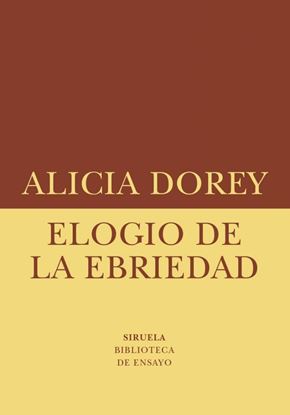
ELOGIO DE LA EBRIEDAD
En este atractivo ensayo, Alicia Dorey nos invita a celebrar todas las formas de ebriedad como medio de autoconocimiento. Porque es innegable que existe en nosotros un misterioso magnetismo por los alcoholes, que brindan a los viajes la posibilidad de convertirse en aventura, que dan al cuerpo y al amor una divina aureola y al tiempo una dimensión más profunda.
A partir de su experiencia como especialista en vinos de un destacado diario nacional, la autora reflexiona con humor y desenfado sobre ese símbolo del «arte de vivir», sobre esa fuente inagotable de historias, sobre ese espejo de nuestra sociedad que, sin duda, es la ebriedad. Una estimulante y seductora reflexión sobre el mundo del vino y sus placeres.
900