NOVEDADES

1,350
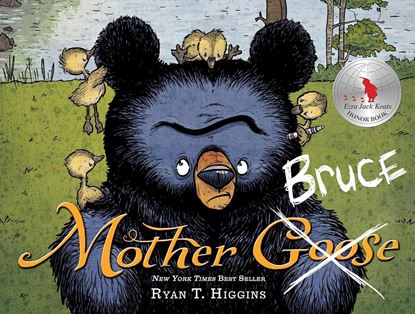
MOTHER BRUCE-MOTHER BRUCE, BOOK 1
But when his hard-boiled goose eggs turn out to be real, live goslings, he starts to lose his appetite. And even worse, the goslings are convinced he’s their mother. Bruce tries to get the geese to go south, but he can’t seem to rid himself of his new companions. What’s a bear to do?
1,350
1,350
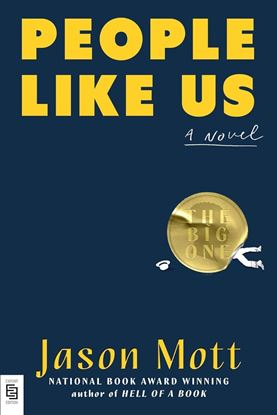
PEOPLE LIKE US
The riveting new novel by the author of the 2021 National Book Award winner and bestseller Hell of a Book
People Like Us is Jason Mott’s electric new novel. It is not memoir, yet it has deeply personal connections to Jason’s life. And while rooted in reality, it explodes with dreamlike experiences that pull a reader in and don’t let go, from the ability to time travel to sightings of sea monsters and peacocks, and feelings of love and memory so real they hurt.
In People Like Us, two Black writers are trying to find peace and belonging in a world that is riven with gun violence. One is on a global book tour after a big prize win; the other is set to give a speech at a school that has suffered a shooting. And as their two storylines merge, truths and antics abound in equal measure: characters drink booze out of an award trophy; menaces lurk in the shadows; tiny French cars putter around the countryside; handguns seem to hover in the air; and dreams endure against all odds.
1,350
1,350
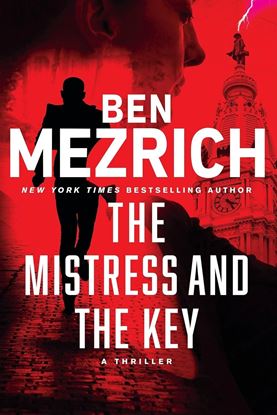
THE MISTRESS AND THE KEY
Card shark Hailey Gordon and ex con Nick Patterson—fresh off uncovering one of the biggest secrets of the Revolutionary War alongside American history professor Adrian Jensen—now find themselves in Philadelphia, immersed in the history of Benjamin Franklin and Paul Revere. The Liberty Bell, Charles Willson Peale’s Museum, and the Tomb of The Unknown Revolutionary Soldier are connected to Franklin in amazing ways. The more they discover, the more shocking the implications become.
The long buried secrets Hailey and Nick are chasing have previously only been known by a select few, who would prefer to keep it that way. A woman known as The Heiress—part of a mysterious organization called The Family—is one of these rare historians. After generations of members have failed before her, The Heiress has been tasked to finally unearth the alchemical secrets Revere and Franklin may have discovered during their lifetimes.
And she’s not about to let Nick and Hailey get in her way.
1,350
1,350
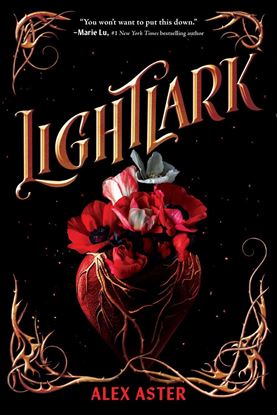
LIGHTLARK (THE LIGHTLARK SAGA BOOK 1)
Welcome to the Centennial.
Every 100 years, the island of Lightlark appears to host the Centennial, a deadly game that only the rulers of six realms are invited to play. The invitation is a summons—a call to embrace victory and ruin, baubles and blood.
The Centennial offers the six rulers one final chance to break the curses that have plagued their realms for centuries. Each ruler has something to hide. Each realm’s curse is uniquely wicked. To destroy the curses, one ruler must die.
Isla Crown is the young ruler of Wildling—a realm of temptresses cursed to kill anyone they fall in love with. They are feared and despised, and are counting on Isla to end their suffering by succeeding at the Centennial.
To survive, Isla must lie, cheat, and betray…even as love complicates everything.
1,350
1,350
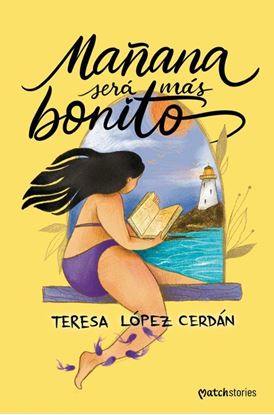
MAÑANA SERA MAS BONITO
Yaiza está al borde de un ataque de nervios. Ha vuelto a suspender su oposición a juez por tercera vez consecutiva.Ocho años de su vida dedicados en exclusiva a prepararse para aprobar y, de nuevo, no lo ha conseguido.
¿Qué sucede cuando eres una mujer que ha pasado los treinta, no tienes novio ni trabajo y sigues viviendo con tus padres? ¿Qué pasa si, de repente, te das cuenta de que tal vez vivas así para siempre? ¿Abandonas o pones tu vida en pausa y vuelves a intentarlo?
Pero…¿y si antes de tomar una decisión tan importantete escapas a Canarias durante los meses de verano y tratas de descubrir quién eres realmente, qué quieres y cuán importante es para ti el éxito en tu carrera?¿Y qué ocurre si, mientras tanto, aparece el amor de tu vida?
Entonces llega septiembre, y con él una encrucijada:¿el amor isleño o volver a intentar el éxito laboral en la península?
Yaiza y Aday vivirán una intensa y transformadora historia de amor de verano. Se descubrirán a través de los ojos del otro y, tras conocerse, jamás volverán a ser los mismos.
¿La chica más estudiosa de su clase con el graciosete incapaz de centrarse en la vida?
1,350
1,350
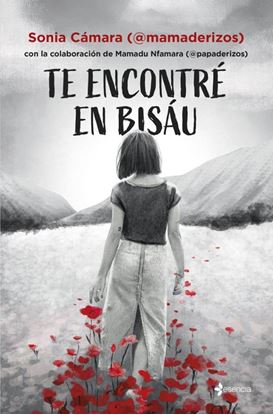
TE ENCONTRE EN BISAU
Nunca imaginé el giro que daría mi vida cuando en abril de 2018 me ofrecieron una misión en Bisáu como enfermera. Casi diez meses allí lo cambiaron todo. No solo descubrí un país, un idioma y una cultura diferentes, sino que además hice amigos que dejaron una huella profunda en mí. Y, sobre todo, encontré a Du, quien se convirtió en mi compañero. Pero también tuve que afrontar la dureza de lo que significa un “amor prohibido”y los obstáculos diarios para luchar por él.
Siempre que compartía mi historia con Du, alguien me decía que debía escribir un libro y contar el camino que recorrimos para ser quienes fuimos.»
Este proyecto era el sueño de Sonia, pero la enfermedad no le permitió terminarlo.
Du, el amor de su vida, ha hecho posible que su historia vea la luz. Como una promesa cumplida, como el testimonio de una historia que merecía ser contada.
Ahora será también vuestra, como Sonia siempre quiso, como Sonia siempre soñó que sería: eterna.
1,350