NOVEDADES









1,450
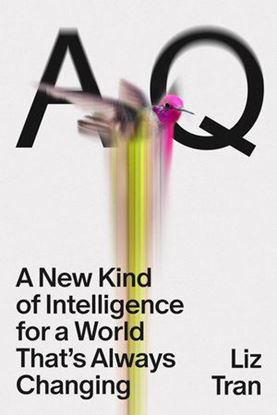
AQ. A NEW KIND OF INTELLIGENCE
In a time defined by nonstop disruptions, when jobs vanish overnight, industries evolve in months, and yesterday’s rules no longer apply, AQ—the Agility Quotient—is the intelligence you need to handle change, uncertainty, and the unknown. The good news is that, with the right toolkit, you can grow your agility and learn to navigate a world of increasing instability.
1,450

1,450
LA ULTIMA VEZ QUE PIENSO EN TI
Una novela impactante y llena de misterio en torno al mundo editorial
La última vez que pienso en ti es una novela trepidante y adictiva, en la que Blue Jeans traslada al lector al mundo de los libros, de las editoriales, de losinfluencers que hablan de literatura y de los jóvenes que desean ser escritores, con el amor, la investigación y el misterio como ingredientes principales.
Barcelona,unos días antes de Sant Jordi. La ciudad se prepara para celebrar uno de los eventos más importantes del año, pero lo que prometía ser una gran fiesta literaria se ve empañada por lamisteriosa desaparición de la joven escritora Ángela Fletcher.
1,450
1,450
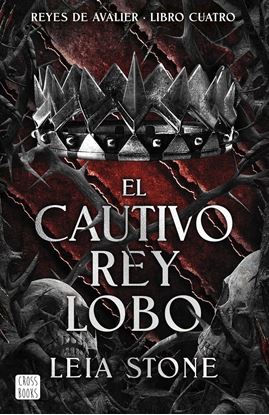
EL CAUTIVO REY LOBO (AVALIER 4)
Continúa una serie llena de fantasía, peligro, amor y secretos.
Axil Luna me rompió el corazón cuando tenía quince años; desde entonces, sueño con vengarme. Cuando se convierte en el rey de todos los lobos y me convoca para que compita por su mano en las letales Pruebas de la Reina, acepto encantada. Se arrepentirá del día que pensó que podía rechazarme sin consecuencias.
Pero hay una guerra en la frontera. Axil ya no es la misma persona de antes, ni es con el que contaba encontrarme. Y ahora… tan solo deseo sobrevivir a las Pruebas para poder averiguar qué podríamos llegar a ser.
1,450
1,450
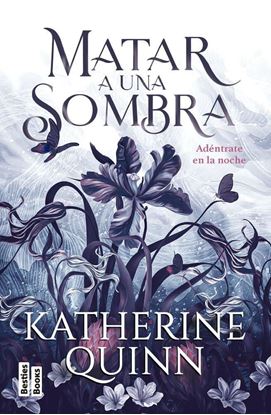
MATAR A UNA SOMBRA (SOMBRA 1)
En un reino sumido en la oscuridad, un caballero deberá descubrir los secretos que se ocultan en las sombras.
Jude Maddox no sabe nada del amor y ni siquiera de la luz. Lo único que ha conocido en la vida es el deber, ineludible y sombrío, de su posición como «la Mano de la Muerte», liderando a los Caballeros de la Estrella Eterna en una tierra acechada por peligros. Jude siente la vida correr por sus venas de verdad la primera vez que ve a Kiara, una joven con ojos salvajes de color ámbar, tan fiera, desafiante y rápida como las bestias de la sombra mismas.
Los Caballeros temen a su comandante, con su actitud severa, implacable y despiadada. Pero la joven Kiara Frey solo ve en él a un líder, un hombre determinado que sabe cómo sobrevivir. Alguien que, en el fondo, no es tan diferente de ella. Pero el deseo que siente por él es tan peligroso como las sombras que combaten... e igual de irresistibles.
En un reino al borde del colapso, los Caballeros deberán aventurarse al oscuro corazón de la tierra y descubrir los secretos de las sombras veladas. Allí, el mal acechará sus mentes y se alimentará de su carne. Traicionará sus sentidos. Excederá cualquier pesadilla. Y la mayoría de ellos perecerá.
Pero no tienen otra opción. Porque la única forma de luchar contra la oscuridad... es convertirse en ella.
1,450

1,450
UNA CHICA EN LONDRES
Abbey Bly se va a estudiar a Londres durante un año: la oportunidad perfecta para escapar de su padre, una vieja estrella del rock, muy cariñoso pero algo sobreprotector. Abbey está preparada para ser libre y descubrirse a sí misma. Pero, cuando llega a su nuevo piso, se encuentra con que sus compañeros no son las chicas encantadoras que tenía en mente, si no una panda de chicos carismáticos, divertidos e injustamente atractivos. Sobre todo, porque tienen una regla: no liarse entre compañeros de piso.
Abbey, que nunca se vio como una rebelde, empieza a mentirle a su padre, se enamora de dos chicos a los que no puede tener y, para colmo, se ve enmarañada en un escándalo con una familia de alta sociedad.
Si Abbey quiere encontrar el amor, respuestas o un futuro en Londres, tendrá que decidir qué reglas y qué corazones merece la pena romper.
1,450

1,450
MENTIRAS QUE LE CANTAMOS AL MAR
Una reinvención de los mitos griegos que teje con épica maestría mentiras, amor y tragedia
Cada primavera, Ítaca condena a doce muchachas a la soga. Es el precio que el vengativo Poseidón exige por las vidas de las doce doncellas de la reina Penélope que, hace siglos, fueron colgadas y arrojadas a las profundidades.
Pero cuando el destino le llega a Leto, la muerte resulta no ser lo que ella esperaba. Tras su asesinato, despierta en una isla misteriosa donde conoce a una chica de ojos verdes con el poder de gobernar los mares. Se llama Melanto, es dulce, misteriosa y preciosa... y dice que, para acabar con la maldición de Poseidón, Leto debe a asesinar al príncipe de Ítaca.
A pesar del peligro, ella está más que dispuesta a cumplir su misión.Por desgracia, el príncipe Matías resulta mucho más difícil de odiar de lo que Leto y Melanto esperaban...
1,450