
NOVEDADES


1,500
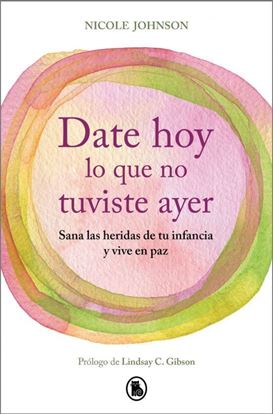
DATE HOY LO QUE NO TUVISTE AYER
¿De qué manera está relacionado nuestro pasado con nuestro presente? ¿Y qué podemos hacer como adultos para sanar aquello que nos dolió en la infancia? La respuesta está en la reconexión con nuestro niño o niña interior.
El trauma durante la infancia puede provocar efectos en tu etapa adulta como el estrés, la ansiedad y la depresión, pero la buena noticia es que puedes sanar el dolor del pasado y recuperar tu bienestar en el presente. En tu camino hacia la sanación, esta guía integrativa te proporciona herramientas y ejercicios prácticos para identificar traumas de infancia, establecer una conexión con tu niño o niña interior para entender sus necesidades y reescribir tu presente desde tu autocompasión y fuerza interior.
Es hora de vivir tu presente en plenitud. Nunca es demasiado tarde para darnos lo que una vez necesitamos.
Con este libro podrás:
*Identificar traumas del pasado y sanar sus efectos en ti.
*Reconocer cómo se manifiestan las respuestas al trauma en tu vida diaria.
*Establecer una conexión con tu niño o niña interior y sus heridas.
*Entender las necesidades de tu infancia desde una perspectiva distinta.
*Crear un plan para darte hoy lo que necesitaste en tu infancia.
1,500
1,500
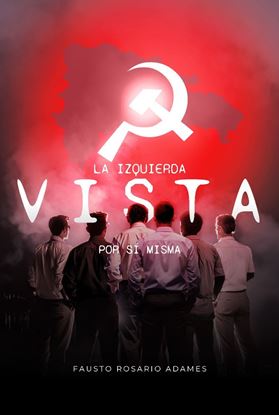
LA IZQUIERDA VISTA POR SI MISMA
Como bien dice Umberto Eco, los libros son libros de otros libros, este constituye una valiosa fuente de inspiración para otros libros sobre el papel que ha jugado la izquierda de nuestro país en el proceso político, según la + mirada que de sí misma, con suma habilidad e inteligencia, Fausto Rosario Adames le permitió hacer a diversos actores de participantes de esa corriente política en un serial de entrevistas televisivas y personales, Con sus testimonios, informaciones e interpretaciones de los hechos que han jalonado la historia política del país de las últimas siete décadas, ellos dieron al autor de este texto una fuente nutricia dificil de obtener para trabajos como este. Le imprime un valor particular, mayor nivel de credibilidad y de objetividad que lo que puede encontrarse en un trabajo limitado a las fuentes escritas. Las entrevistas a actores claves para obtener conocimiento de un tema, constituye una de las mejores herramientas de investigación, pero hay que saber estructurarlas y manejarlas para obtener del sujeto entrevistado, no sólo la mayor cantidad posible de información sino de calidad/fidelidad. Esto sólo se logra con formación y sobre todo con la habilidad del entrevistador. . En el uso de esta técnica, el periodista, en general, pienso, está mejor entrenado que otros profesionales y de los periodistas dominicanos en ejercicio, él es uno de los mejor formado como profesional e intelectualmente, y de los mejores en la técnica de conducción de programas de entrevista.
1,500
1,500
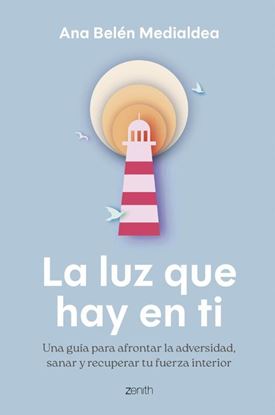
LA LUZ QUE HAY EN TI
Una guía para desarrollar la resiliencia, reencontrarnos con nuestra fuerza interior y convertirnos en la luz que necesitamos para reconstruirnos tras una crisis vital.
Cuando la vida nos golpea con una pérdida inesperada, una ruptura o una decepción, nos sentimos como náufragos emocionales a la deriva en un mar de incertidumbre. En este libro, la psicóloga Ana Belén Medialdea nos guía en un viaje de reconstrucción personal basado en su propia historia y en la de muchas personas a las que ha acompañado en consulta. Un recorrido que va desde el impacto del iceberg, la tormenta de la ira, el oleaje de la tristeza y la oscuridad del miedo, hasta soltar los lastres del pasado y hallar un nuevo sentido de vida, donde la autocompasión y la resiliencia se convierten en nuestro faro.
Este no es un libro que niegue el dolor o prometa soluciones mágicas; es una guía profundamente humana para atravesar la tempestad, aprender de nuestras heridas y salir más fuertes de la experiencia. A través de ejercicios terapéuticos, historias reales y herramientas de la terapia breve estratégica, Ana Belén nos enseña que no es el dolor quien define nuestra historia, sino la forma en que elegimos reconstruirnos, y que en nuestro interior están la luz y la fuerza para seguir adelante, mirando al futuro con esperanza.
1,500

1,500
TUS LUCES Y MIS SOMBRAS (3)
Hace varios veranos, el camping Voramar de Benicàssim vio florecer la relación entre Nagore y Xabi. Sin embargo, ahora las cosas han cambiado y parece que su historia se marchita lentamente. Mientras ella trabaja en Barcelona y él en Donostia, deciden darse un tiempo para descubrir si imaginan un futuro juntos o separados.
El retorno al Voramar para la boda de unos amigos pondrá patas arriba el mundo de Nagore, porque el reencuentro con Xabi no será, ni de lejos, tal como ella esperaba.
Apasionada, excitante y divertida, el cierre de la saga Mediterráneo es una celebración del amor por todo lo alto.
1,500
1,500
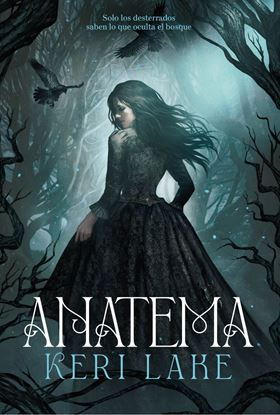
ANATEMA (EL BOSQUE VERAZ 1) (AR)
Hay rumores sobre lo que acecha en el Bosque Voraz, el lugar al que los pecadores van a parar, bautizado así por los aldeanos porque jamás devuelve aquello que toma. Solo los locos o los desterrados se adentran entre sus árboles. Sin embargo, una tragedia fuerza a la joven Maevyth Bronwick a cruzar el arco de huesos que se oculta en su interior y acaba en un mundo oscuro y mágico, tan peligroso como seductor.
En Etiria, solo el Escorpión, el asesino más temido del rey, un lord maldito llamado Zevander Rydainn, podrá protegerla de los brujos que intentan darle caza. Conforme el destino teje sus planes, una peligrosa atracción amenaza con consumirlos a ambos… Y Maevyth no tardará en descubrir que, para sobrevivir al bosque, deberá convertirse en lo más aterrador que hay en él.
1,500
1,500
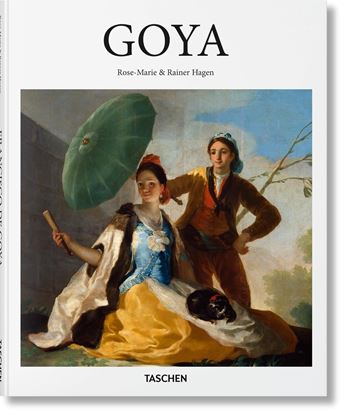
GOYA (BASIC ART SERIES 2.0)
From court portraits for the Spanish royals to horrific scenes of conflict and suffering, Francisco José de Goya y Lucientes (1746–1828) made a mark as one of Spain’s most revered and controversial artists. A master of form and light, his influence reverberates down the centuries, inspiring and fascinating artists from the Romantic Eugène Delacroix to Britart enfants terribles, the Chapman brothers.Born in Fuendetodos, Spain, in 1746, Goya was apprenticed to the Spanish royal family in 1774, where he produced etchings and tapestry cartoons for grand palaces and royal residences across the country. He was also patronized by the aristocracy, painting commissioned portraits of the rich and powerful with his increasingly fluid and expressive style. Later, after a bout of illness, the artist moved towards darker etchings and drawings, introducing a nightmarish realm of witches, ghosts, and fantastical creatures.It was, however, with his horrific depictions of conflict that Goya achieved enduring impact. Executed between 1810 and 1820, The Disasters of War was inspired by atrocities committed during the Spanish struggle for independence from the French and penetrated the very heart of human cruelty and sadism. The bleak tones, agitated brushstrokes, and aggressive use of Baroque-like light and dark contrasts recalled Velázquez and Rembrandt, but Goya’s subject matter was unprecedented in its brutality and honesty.In this introductory book from TASCHEN Basic Art 2.0 we set out to explore the full arc of Goya’s remarkable career, from elegant court painter to deathly seer of suffering and grotesquerie. Along the way, we encounter such famed portraits as Don Manuel Osorio Manrique de Zúñiga, the dazzling Naked Maja, and The 3rd of May 1808 in Madrid, one of the most heart-stopping images of war in the history of art.
1,500