
NOVEDADES










2,300
1,840
CABINS (45TH ED.) (INT)
Desde que Henry David Thoreau describiera en Walden o Vida en los bosques (1854) los dos años, dos meses y dos días que habitó en una cabaña en Walden Pond (Massachusetts), la idea de una vivienda refugio ha seducido a la psique moderna. En la última década, con el crecimiento exponencial del consumo de materias primas y el impacto de nuestra huella ecológica, arquitectos internacionales se han interesado por las posibilidades que brinda un tipo de casa aislada, minimalista y de bajo impacto.
Esta edición de Cabañas, que combina un texto en profundidad con abundantes fotografías y brillantes ilustraciones de Marie-Laure Cruschi, explora las oportunidades que brinda este tipo de arquitectura para la creatividad. La cabaña renuncia a los excesos y limita su intrusión espacial a cubrir las necesidades esenciales para vivir, al tiempo que se muestra respetuosa con el medio natural en el que se ubica y prioriza soluciones ecológicas. Así, las cabañas ofrecen algunas de las propuestas más innovadoras y con mayor visión de futuro de la arquitectura contemporánea, de la mano de Renzo Piano, Terunobu Fujimori, Tom Kundig y muchos otros jóvenes profesionales que trabajan en estos espacios refugio.
2,300
1,840

2,300
1,840
STONE AGE (45TH ED.) (INT)
Follow photographer Frédéric Chaubin as he embarks on a unique, century-spanning journey through Europe. Featuring images of more than 200 buildings in 21 countries, Stone Age presents the history and architecture of the most dramatic medieval castles of the continent in an unprecedented collection.
Building on the success of his foray into Soviet design with CCCP, Chaubin once again documents the afterlife of highly rational structures that seem out of place in a modern-day world. Precursors of Brutalism, these castles value function over form and epitomize the raw materials and shapes that would go on to define so much of architectural history.
Shot on film with a Linhof view camera, the collection is the outcome of five years of travel and investigation. Complete with a practical map and explanatory essay, its castles tell the story of 400 years, unfolding through the feudal Middle Ages into the 15th century.
A photographic study of decay as much as endurance, Stone Age traces the history of some of these singular structures that continue to enchant their audiences today and that occupy a distinct, mystical place in our collective imagination.
2,300
1,840

2,300
1,840
HIROSHIGE (45TH ED.) (INT)
Utagawa Hiroshige (1797–1858) was one of the last great artists in the ukiyo-e tradition. Literally meaning “pictures of the floating world,” ukiyo-e was a particular genre of art that flourished between the 17th and 19th centuries and came to characterize the Western world’s visual idea of Japan. In many ways images of hedonism, ukiyo-e scenes often represented the bright lights and attractions of Edo (modern-day Tokyo): beautiful women, actors and wrestlers, city life, and spectacular landscapes.
Though he captured a variety of subjects, Hiroshige was most famous for landscapes, with a final masterpiece series known as “One Hundred Famous Views of Edo” (1856–1858), which depicted various scenes of the city through the seasons, from bustling shopping streets to splendid cherry orchards.
This reprint is made from one of the finest complete original sets of woodblock prints belonging to the Ota Memorial Museum of Art in Tokyo. It pairs each of the 120 illustrations with a description, allowing readers to immerse themselves in these beautiful, vibrant vistas that became paradigms of Japonisme and inspired Impressionist, Post-Impressionist and Art Nouveau artists alike, from Vincent van Gogh to James McNeill Whistler.
2,300
1,840

2,300
1,840
SERVICIOS DE INTELIGENCIA
Para todo gobernante, como para todo jefe militar, es imprescindible conocer las circunstancias concernientes a sus antagonistas y adversarios (reales o potenciales), con el fin de neutralizar cualquier amenaza y afianzarse en el poder. Sin esa información, las probabilidades de que un gobierno sea derrocado, o de que un general sufra una severa derrota, aumentan de forma exponencial. De ahí que las actividades y servicios de inteligencia hayan sido una constante a lo largo de la historia.
A pesar de la importancia fundamental de este fenómeno, su existencia ha sido a menudo soslayada en lo que respecta a las sociedades del pasado. Sea por la dificultad que entraña la frecuente escasez de fuentes, por el temor a pecar de anacronismo o debido a inconscientes prejuicios idealistas, manuales y monografías acostumbran a negligir el tratamiento del papel desempeñado por las actividades de espionaje y contraespionaje en la Antigüedad.
2,300
1,840
2,300
1,840
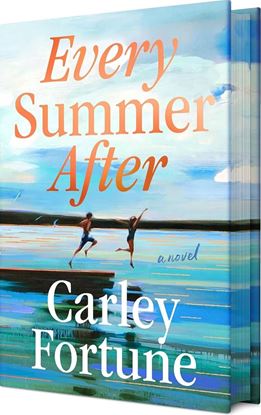
EVERY SUMMER AFTER (DELUXE)
They say you can never go home again, and for Persephone Fraser, ever since she made the biggest mistake of her life a decade ago, that has felt too true. Instead of glittering summers on the lakeshore of her childhood, she spends them in a stylish apartment in the city, going out with friends, and keeping everyone a safe distance from her heart.
Until she receives the call that sends her racing back to Barry’s Bay and into the orbit of Sam Florek—the man she never thought she’d have to live without.
For six summers, through hazy afternoons on the water and warm summer nights working in his family’s restaurant and curling up together with books—medical textbooks for him and work-in-progress horror short stories for her—Percy and Sam had been inseparable. Eventually that friendship turned into something breathtakingly more, before it fell spectacularly apart.
When Percy returns to the lake for Sam’s mother’s funeral, their connection is as undeniable as it had always been. But until Percy can confront the decisions she made and the years she’s spent punishing herself for them, they’ll never know whether their love might be bigger than the biggest mistakes of their past.
2,300
1,840
2,350
1,880
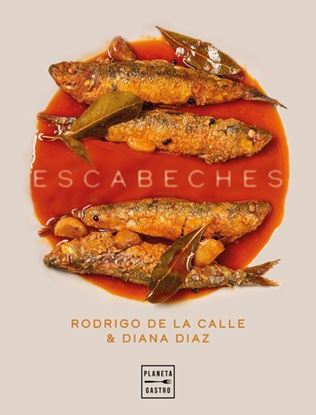
ESCABECHES
Los secretos y la magia de una de las técnicas de cocina más extendidas y populares, pero que sigue siendo una gran desconocida.
Los escabeches de bacalao, de bonito o de caballa nos han acompañado en la cocina durante siglos. Este adobo se utilizaba en nuestras casas para conservar los alimentos y para que no se estropearan. Y no deja de ser curioso cómo una técnica tan extendida ha sido la protagonista de tan pocos libros de cocina. Rodrigo de la Calle y Diana Díaz, reconocidísimos chefs y amantes declarados de los escabeches, están aquí para cambiar su historia.
Y es que la historia de este método de conservación está llena de curiosidades desconocidas, y sus adaptaciones culinarias son inmensas y tremendamente ricas en sabor y cualidades. En esta obra, los autores nos ofrecen una selección de creativas y originales recetas que nos llevarán a conocer nuevos sabores y texturas. Desde los escabeches clásicos de pescado hasta los innovadores escabeches de frutas y verduras, este libro es un verdadero tesoro para los amantes de la gastronomía, que nos abrirá las puertas de la cocina de Rodrigo de la Calle y Diana Díaz, dos grandes nombres del mundo gastronómico. Descubre la teoría y la tradición cultural detrás del escabeche y entusiásmate con las infinitas posibilidades que este método tradicional puede traer a tu mesa, de una forma absolutamente innovadora.
2,350
1,880