NOVEDADES











750
LA MATRIARCA (LI) (BOL)
«Adictivo, turbio e implacablemente necesario. Pablo Rivero muestra con absoluta destreza el terror silencioso que habita nuestra realidad».Ángela Banzas
No hay nada más terrorífico que una comunidad de vecinos.
A sus casi ochenta años, Felicidad es una mujer independiente y resolutiva que lleva las riendas de su familia y que gestiona los alquileres del bloque de pisos del que es propietaria. Su rutina se interrumpe cuando Candela Rodríguez, teniente de la Guardia Civil, le informa de que una de sus inquilinas, de avanzada edad, se ha precipitado al patio interior del edificio.
Comienza así una investigación para esclarecer si se trata de un asesinato. Todo se complica aún más con el hallazgo de un truculento vídeo que podría conectar esta muerte con otros ataques a ancianas de la zona y que pone en el punto de mira al entorno familiar de Feli, la matriarca, y al resto de los vecinos, en una comunidad donde muchos entran pero no todos salen.
Después del éxito de sus anteriores novelas, Pablo Rivero vuelve a meter el dedo en la llaga para construir un thriller inquietante y descarnado que pone de manifiesto la vulnerabilidad de la tercera edad y que invita al debate sobre temas como la exclusión social, la brecha digital o la exposición de nuestros mayores en las redes sociales. La matriarca es, además, un homenaje a todas esas mujeres que son el pilar fundamental de sus familias. Un laberinto de giros y sorpresas que, a ritmo frenético, sacará a la luz lo más oscuro que habita en cada uno de nuestros hogares, porque, al fin y al cabo, hasta las mejores familias guardan secretos. Algunos, inconfesables.
750
1,000
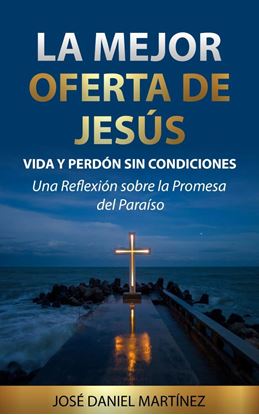
LA MEJOR OFERTA DE JESUS
Es un libro que desarrolla en forma directa y sencilla Una Reflexión sobre la Promesa del Paraíso de las personas que buscan a Dios de corazón mediante la fe en Jesucristo en su andar diario. El autor Jose Daniel ,señala en sus 23 capítulos la misma cantidad de ensayos vinculados con temas espirituales, familiares, de conocimientos bíblicos, de una búsqueda de conocimientos incesantes como señalaba el profeta Osea : “Mi pueblo pereció por falta de conocimiento”. A demás de temas sobre conocimientos, encuentros de Jesús con gente de diferentes niveles sociales y culturales sobre necesidades, consejos, mayordomía familiar.
En suma, producir una obra breve de información directa de temas espirituales y encuentros personajes con Jesús, el divino maestro, es una evidencia del valor de esta obra como devocional y altar familiar para reflexionar en forma iniciar sobre temas de interés como herramienta idónea y manantial de vida en la via de lectura como señalo San Pablo a Timoteo: “Ocúpate de la lectura…”
1,000

1,200
LA MENTALIDAD DEL AMOR
En Volver al amor, Marianne Williamson reveló cómo cada uno de nosotros puede convertirse en un obrador de milagros al expresar amor y perdón en nuestra vida cotidiana. Con La mentalidad del amor, Williamson explora el papel de la figura de Jesús en las enseñanzas de Un Curso de Milagros.
Para muchos, Jesús se ha convertido en una reliquia preciosa, venerada pero carente de la inmediatez de una auténtica fuerza espiritual. En esta maravillosa obra, Williamson nos habla de un Jesús que trasciende tanto la imaginería superficial como el dogma religioso obsoleto para elevarse como un espíritu y un arquetipo que sigue vivo en todos nosotros hoy en día.
Williamson aporta en este libro su gran su habilidad para hacer que las teorías teológicas más densas sean relevantes en nuestra vida cotidiana. Y así, fusiona la comprensión psicológica y religiosa, presentando a Jesús como un guía hacia otra manera de pensar y, por lo tanto, como el arquitecto de otro tipo de mundo.
1,200
3,700
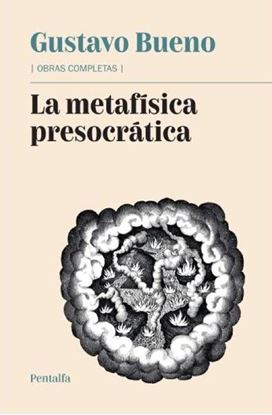
LA METAFISICA PRESOCRATICA
Una historia sobre la inocencia, el amor y el sentido de la vida.
Gustavo Bueno fue nombrado, en virtud de oposición, primer catedrático numerario de “Fundamentos de Filosofía e Historia de los Sistemas Filosóficos” de la Facultad de Filosofía y Letras de Oviedo, por orden de 18 de abril de 1960, incorporándose a esa universidad en junio de 1960, tras haber ejercido desde 1949 en Salamanca como catedrático de filosofía en el Instituto Nacional de Enseñanza Media “Lucía de Medrano”.
Las cátedras de “Fundamentos de Filosofía e Historia de los Sistemas Filosóficos” se habían introducido en la universidad española el 7 de julio de 1944, mediante decreto que organizaba la Facultad de Filosofía y Letras en siete secciones (Filosofía, Filología clásica, Filología semítica, Filología románica, Historia, Historia de América, y Pedagogía) y tres periodos de estudios: dos cursos comunes, tres cursos de licenciatura especializada y un curso de doctorado. En los cuatrimestres primero y segundo, del primer curso común, se establecía la asignatura “Fundamentos de Filosofía” (tres horas semanales de clase) y en los cuatrimestres tercero y cuarto, del segundo curso común, la asignatura “Historia de los sistemas filosóficos” (tres horas semanales de clase).
3,700
850
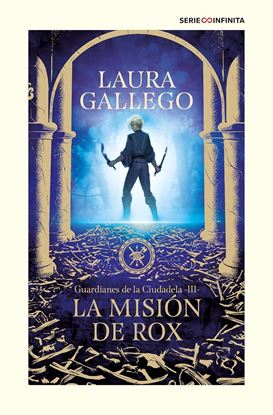
LA MISION DE ROX (GUARDIANES 3)(ESC)
Rox ha partido a la región del oeste en busca de una aldea perdida habitada por Guardianes. Mientras una riada de supervivientes acude a la Ciudadela en busca de un refugio seguro, tras sus muros florece un nuevo movimiento filosófico, la Senda del Manantial, cuyo líder predica el fin del mundo conocido... para bien o para mal.
Xein, por su parte, ha sido enviado a la Última Frontera, de donde pocos regresan con vida. Pero Axlin se ha propuesto rescatarlo.
850
1,950
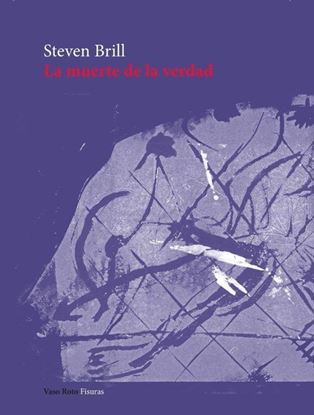
LA MUERTE DE LA VERDAD
En la muerte de la verdad, Steven brill explora el creciente problema que hay acerca de la desinformación y como eso está afectando a la confianza en los hechos, las insitituciones y al periodismo. A través de investigaciones y de datos verídicos, Brill analiza el papel de las redes sociales, los algoritmos y la falta de regulación en la difusión de noticias falsas. Este libro no solo denuncia esta crisis, sino que propone soluciones concretas para fortalecer la democracia en la era digital. Es una lectura esencial para entender los desafíos informativos del siglo XXI y cómo enfrentarlos.
El libro no solo denuncia esta crisis, sino que también propone soluciones concretas para restaurar la verdad y fortalecer la democracia en la era digital. Una lectura esencial para entender los desafíos informativos del siglo XXI y cómo enfrentarlos.
1,950