NOVEDADES





1,750
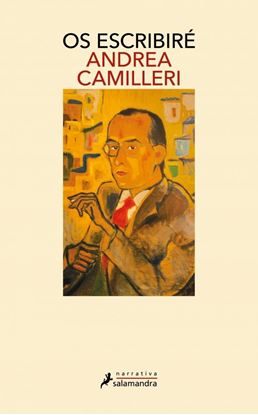
OS ESCRIBIRE
Un relato íntimo, en primera persona, de la juventud de Andrea Camilleri
Mucho antes de convertirse en el célebre creador del entrañable comisario Salvo Montalbano, el siciliano Andrea Camilleri era un joven lleno de ingenio y anhelos que daba sus primeros pasos en el mundo del teatro. Becado en la Academia de Arte Dramático de Roma, combatía la soledad y la distancia de su familia -y de su tierra natal, Porto Empedocle- mediante una intensa y regular correspondencia, especialmente con su madre.
En estas emotivas cartas, escritas entre 1949 y 1960, se revela el lado más íntimo y desconocido de un autor al que millones de lectores han llegado a amar gracias a sus inolvidables historias. A través de sus palabras, seguimos su itinerario formativo, desde sus titubeantes inicios como estudiante hasta sus primeros escarceos literarios como poeta y crítico.
Con un lenguaje fresco, directo y lleno de vitalidad, Camilleri nos habla de sus pasiones, amistades, ilusiones y decepciones, abriéndonos las puertas de su vida cotidiana: las estrecheces económicas, las elecciones afectivas y el vibrante ambiente teatral romano. También descubrimos la importancia que tuvieron en su trayectoria profesional tres figuras clave del panorama escénico italiano: la relación especial con Orazio Costa y Vittorio Gassman, y la más compleja con Silvio d'Amico, quienes marcaron profundamente su carrera.
Desconocidas hasta ahora para los fieles lectores de Camilleri, estas cartas nos permiten asomarnos a las raíces profundas de su talento y comprender mejor la riqueza de una escritura capaz de crear tramas animadas y personajes memorables. Un testimonio vital y literario de enorme valor que ilumina los años de formación de uno de los narradores más queridos del siglo XX.
1,750
995
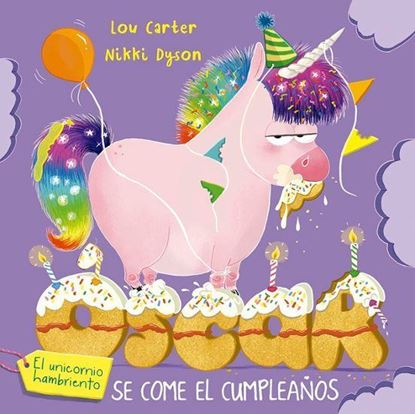
OSCAR EL UNICORNIO HAMBRIENTO Y EL CUMP
Es la fiesta de cumpleaños de la princesa Oola y Óscar el unicornio está MUY emocionado. Se ha comido los regalos, las tarjetas Y la piñata..., pero ¿le quedará sitio para la tarta?
995
1,750
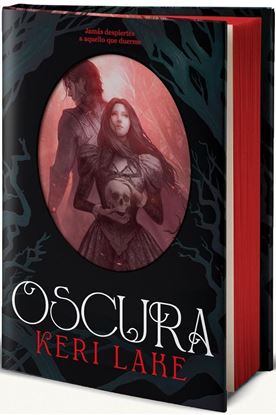
OSCURA (EL BOSQUE VORAZ 2) (CANTOS) (LI)
Una magia antigua ha despertado, y ahora la tierra de los mortales es más oscura, más fría y está más hambrienta que nunca. Tanto los monstruos como una siniestra maldición se propagan como la peste y, para Maevyth y Zevander, la única posibilidad de escapar es volver a atravesar el Bosque Voraz. Pero el destino ha tejido una intrincada tela de araña, cuyos hilos harán que cruzar la mística frontera hacia Etiria no sea tarea sencilla.
Por desgracia para Zevander, el tiempo juega en su contra: cuanto más permanezca en Mortasia, privado del vivicanto que necesita para frenar el avance de la maldición que pesa sobre él, más sucumbirá al espectro de la locura.
Y puede que esta vez ni siquiera Maevyth pueda salvarlo de las sombras.
1,750