
NOVEDADES

1,750
1,400
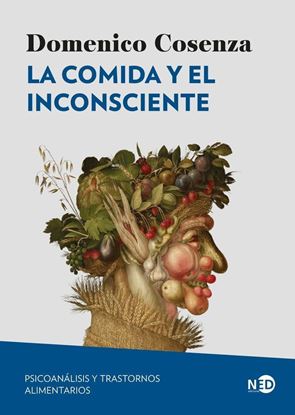
LA COMIDA Y EL INCONSCIENTE
¿Qué relación guarda la comida con el inconsciente? Este intrincado vínculo está detrás de problemas alimentarios como la anorexia (adolescente o infantil), la bulimia, la obesidad y en general los trastornos de la alimentación incontrolada. En este libro, fruto de un largo trabajo de investigación clínica, Domenico Cosenza elabora un texto esencial sobre el tratamiento de estos trastornos alimentarios a partir de una orientación analítica renovada, y extiende las originales tesis presentadas en El muro de la anorexia, libro que en su momento tuvo una gran repercusión en Europa y en América Latina.
1,750
1,400
1,350
1,080
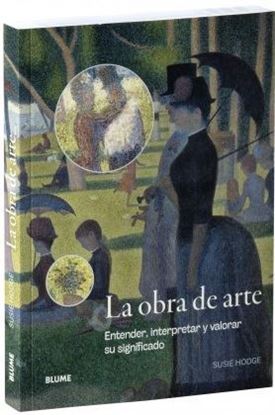
LA OBRA DE ARTE
El arte puede ser tan fascinante como frustrante. Una sola obra puede tener varios significados, y existen muchas formas de entenderla, interpretarla y apreciarla.
Este libro claro y accesible descompone grandes obras de arte en diez elementos sencillos para ayudarle a comprenderlas y apreciarlas mejor.
Además, le permitirá responder a algunas preguntas obvias, pero complicadas: «¿Cómo crea Yayoi Kusama la sensación de infinito en Luces resplandecientes de almas?» o «¿Por qué las capas de pintura de La noche estrellada de Van Gogh son tan gruesas?».
1,350
1,080
1,450
1,160
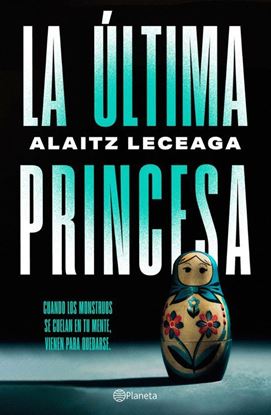
LA ULTIMA PRINCESA
Cuando los monstruos se cuelan en tu mente, vienen para quedarse.
Lyon, 1992. Nora Cortázar es la jefa del departamento de Ciencias del Comportamiento de Interpol, donde imparte clases sobre psicología criminal, pero sobre todo es conocida por ser lahija de un famoso asesino, Balbea. Obsesiva, analítica y con una memoria extraordinaria, Nora es una mujer única con unacapacidad especial para comprender el mal.
El regreso de Nora a Lemoniz para asistir al funeral de su madre coincide con elhallazgo de un cadáver en la central nuclear. En un pueblo marcado por los secretos, Nora sospecha que tras el asesinato hay más de lo que parece, y para resolverlo unirá fuerzas con su primer amor, a quien la une undoloroso pasado.
Una central nuclear abandonada, una plataforma marítima y los paisajes imponentes de la costa vasca son los escenarios de estethriller atmosférico en el que se cruzan siniestros ritualesantiguos, leyendasy oscuros secretos familiares.
1,450
1,160
1,450
1,160
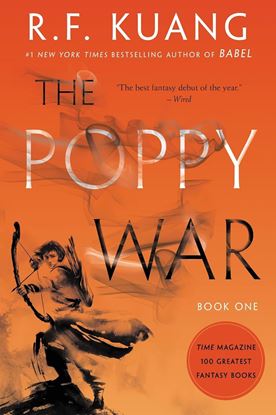
THE POPPY WAR (1) (PB)
When Rin aced the Keju—the Empire-wide test to find the most talented youth to learn at the Academies—it was a shock to everyone: to the test officials, who couldn’t believe a war orphan from Rooster Province could pass without cheating; to Rin’s guardians, who believed they’d finally be able to marry her off and further their criminal enterprise; and to Rin herself, who realized she was finally free of the servitude and despair that had made up her daily existence. That she got into Sinegard—the most elite military school in Nikan—was even more surprising.
But surprises aren’t always good.
Because being a dark-skinned peasant girl from the south is not an easy thing at Sinegard. Targeted from the outset by rival classmates for her color, poverty, and gender, Rin discovers she possesses a lethal, unearthly power—an aptitude for the nearly-mythical art of shamanism. Exploring the depths of her gift with the help of a seemingly insane teacher and psychoactive substances, Rin learns that gods long thought dead are very much alive—and that mastering control over those powers could mean more than just surviving school.
For while the Nikara Empire is at peace, the Federation of Mugen still lurks across a narrow sea. The militarily advanced Federation occupied Nikan for decades after the First Poppy War, and only barely lost the continent in the Second. And while most of the people are complacent to go about their lives, a few are aware that a Third Poppy War is just a spark away . . .
Rin’s shamanic powers may be the only way to save her people. But as she finds out more about the god that has chosen her, the vengeful Phoenix, she fears that winning the war may cost her humanity . . . and that it may already be too late.
1,450
1,160
1,500
1,200
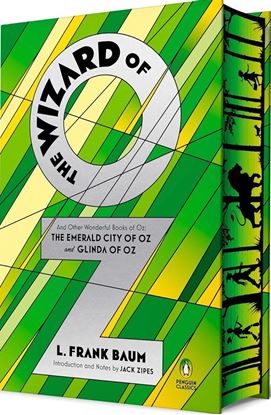
THE WIZARD OF OZ (SPEC.ED.) (TD)
This fully annotated volume collects three of Baum's fourteen Oz novels in which he developed his utopian vision and which garnered an immense and loyal following. The Wizard of Oz (1900) introduces Dorothy, who arrives from Kansas and meets the Scarecrow, the Tin Woodman, the Cowardly Lion, and a host of other characters. The Emerald City of Oz (1910) finds Dorothy, Aunt Em, and Uncle Henry coming to Oz just as the wicked Nome King is plotting to conquer its people. In Baum's final novel, Glinda of Oz (1920), Dorothy and Princess Ozma try to prevent a battle between the Skeezers and the Flatheads. Tapping into a deeply rooted desire in himself and his loyal readers to live in a peaceful country which values the sharing of talents and gifts, Baum's imaginative creation, like all great utopian literature, holds out the possibility for change.
1,500
1,200
1,700
1,360
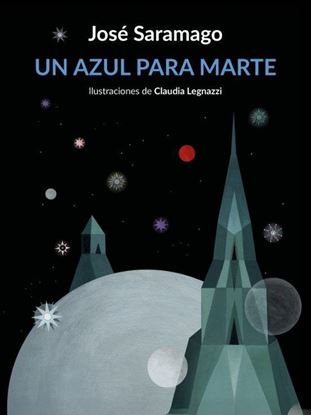
UN AZUL PARA MARTE
Anoche hice un viaje a Marte. Pasé allí diez años… Me comprometí a no divulgar los secretos de los marcianos, pero voy a faltar a mi palabra.»
La invitación al viaje está abierta. A través de un poético texto de José Saramago en el que cuenta lo que encuentra en el planeta Rojo, nos abocamos a un recorrido repleto de imágenes y color al que acompañan las hermosas ilustraciones de la talentosa Claudia Legnazzi.
1,700
1,360