


995
796
EL ESTORNINO DE MOZART
El 27 de mayo de 1784, Wolfgang Amadeus Mozart se encontró en una tienda vienesa con un coqueto estornino que cantó una versión improvisada del tema de su Concierto para piano n.º 17 en sol mayor. Al percibir un espíritu afín en el joven pájaro, lo compró y se lo llevó a casa como mascota. Durante tres años, el estornino vivió con Mozart, influyendo en su obra y sirviéndole de compañero, distracción, consuelo y musa. Dos siglos después, los estorninos son vilipendiados incluso por los conservacionistas más compasivos. Como especie invasora no autóctona, invaden hábitats sensibles, compiten con las aves locales por los lugares de anidación y el alimento, y diezman los cultivos. La ornitóloga y naturalista Lyanda Lynn Haupt conoce bien las tensas relaciones de estas aves con otras especies y el medio ambiente. Pero, tras rescatar a una cría de estornino, quedó encantada con esa inteligencia y el espíritu juguetón que habían maravillado a su compositor favorito. Haupt explora el improbable y extraordinario vínculo entre uno de los compositores más apreciados de la historia y uno de los pájaros más comunes de la Tierra. Las historias entrelazadas de la mascota de Mozart y del estornino de Haupt ofrecen una insólita mirada a la amistad entre humanos y animales, al mundo secreto de los estorninos y a la naturaleza de la inspiración creativa.
995
796
995
796
MALDICIONES Y MALDITOS EN HOLLYWOOD
Entre las décadas de los años veinte y cincuenta de la pasada centuria, las películas, que comenzaron siendo curiosidades de gabinete en ferias, lograron convertirse en el mayor espectáculo del mundo. Los protagonistas de aquellos shows de celuloide que encandilaban al público desde la gran pantalla, pronto fueron erigidos como reyes dominantes del imaginario colectivo del siglo XX.
Pero aquel panteón cada vez más poblado de rutilantes deidades, albergaba asimismo siniestros y decadentes bastidores, plagados de sombras sin fin: espectros, maldiciones, muertes extrañas, crímenes sin resolver, adicciones, magia sexual, satanismo… Hechos misteriosos, sucesos estremecedores y, en ocasiones, atroces ocurrían entre el lujo y la fatalidad, entre el oropel y la decadencia.
Crueles destinos inexorables, tanto de numerosas estrellas, como de aspirantes a serlo.
995
796
995
796
RODIN (BA-ART)
Rodin supo transmitir su pasión por la observación de la naturaleza y captar la vida y la verdad de las formas con una fuerza incomparable. Precisamente en el descubrimiento o el redescubrimiento de este legado de valor incalculable radica el éxito del libro de Francois Blanchetiére.
995
796
995
796
STUDIO 54. NIGHT MAGIC (B) (OF3)
There has never been--and will never be--another nightclub to rival the sheer glamour, energy, and wild creativity that was Studio 54. This catalog accompanies an exhibition at the Brooklyn Museum exploring how Studio 54 was a unique zeitgeist of an era.
From the moment it opened in 1977, Studio 54 celebrated spectacle and promised a never-ending parade of anything goes. Although it existed for only three years, it served as a catalyst that brought together some of the most famous, creative, and strangest people in the world. It quickly became known for its all-ages celebrity guest list and its uniquely chic clientele of superstars and freaks of all races and sexual preferences who would often show up half-dressed or in costume. From the cutting-edge lighting displays and sound system to its elaborate sets that would change on a whim, altering the environment and ambiance, it was the beginning of nightclub as performance art.
Now, the Brooklyn Museum is staging the first exhibition featuring the nightclub as a bellwether of New York City cultural life. More than 650 objects--spanning fashion, photography, drawings, film, and music--as well as video, film, and soundtrack, create an immersive experience, with an exhibition design inspired by the club's original lighting and atmosphere. Highlights include never-before-published costume sketches by artist Antonio Lopez and newly discovered set designs, as well as ephemera salvaged by the original club staff and interviews with the cultural luminaries who were there.
Telling the story of this legendary club, as well as serving as a companion to the exhibition, Studio 54: Night Magic serves as a document of the era, depicting the wild energy and provocative creativity of this seminal cultural moment.
995
796
995
796
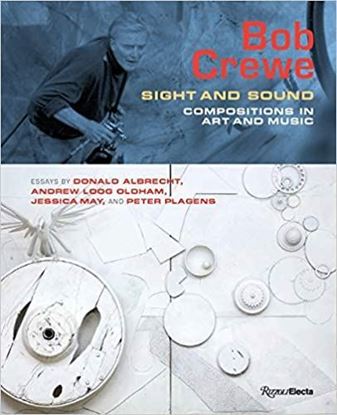
BOB CREWE. SIGHT AND SOUND (OF3)
The first book to explore the extraordinary musical life and remarkable paintings of one of America's greatest ever songwriters.
Best known for having written and produced some of the seminal records of American popular culture--from 'Big Girls Don't Cry' for the Four Seasons to 'Silence is Golden' for the Tremeloes and 'Lady Marmalade' for LaBelle--Bob Crewe was a multifaceted artist for whom a passion for painting and the visual arts provided a lifelong counterbalance to music.
Collected here are more than 80 of Bob Crewe's artworks, stretching from his first forays into abstract expressionism in the 1950s and 1960s to more complex, tactile compositions made on his full-time return to painting in the 1990s--accompanied by archival images and ephemera that reflect Crewe's simultaneous contribution to popular music.
Essays by Jessica May and Peter Plagens explore the development of an artist whose influences ranged from Rauschenberg and Johns to Warhol and Bacon; legendary record producer Andrew Loog Oldham captures the period of radical experimentalism in which Crewe wrote many of the most memorable songs in the canon of modern pop; and Donald Albrecht's introduction ties together the many complementary aspects of Crewe's personal and creative lives.
995
796
995
796
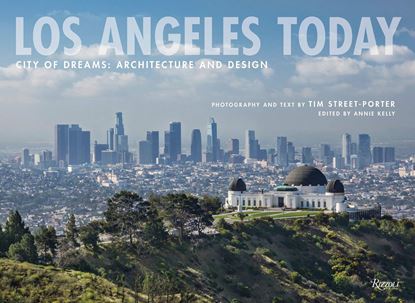
LOS ANGELES TODAY (OF3)
The time is right for a fresh look at this incomparable sunny city. Longtime Angeleno Tim Street-Porter chronicles today's vibrant buildings, coastline, and gardens of this glamorous global metropolis.
Visit Los Angeles with a photographer who knows how to get the lighting right to highlight the spectacular architecture of the city. Stylish museums, such as the Broad, and a flourishing Arts District illustrate the explosive art scene, while Hollywood's Chateau Marmont and the historic Beverly Hills neighborhood add a chic dynamism. Across town, Culver City, home to the tech industry, features blocks of futuristic architecture by Eric Owen Moss. The modernist homes by Richard Neutra and John Lautner, as well as Frank Lloyd Wright's Hollyhock House, are shown against dramatic backdrops of sky and sea. The visual sweep of this oversize book also encompasses the Los Angeles of film and television.
Los Angeles is a city of dreams, and Los Angeles Today is a glorious portrait of the city in its infinite variety.
995
796