3,600
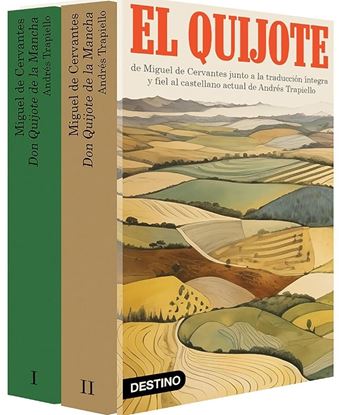
PACK DON QUIJOTE (ORIGINAL Y CAST.ACTUAL
Andrés Trapiello presentó en 2015 el que es, sin lugar a dudas, uno de los más ambiciosos proyectos literarios de los últimos tiempos: la primera traducción al castellano actual del Quijote, que gozó de un enorme reconocimiento tanto de la crítica como de los lectores. Ahora, diez años después, presentamos una edición única en la que el texto clásico de Miguel de Cervantes, en edición de Alberto Blecua, y el moderno en traducción íntegra y fiel al castellano actual de Andrés Trapiello se encuentran por primera vez juntos.
En palabras de Mario Vargas Llosa sobre tan encomiable proyecto, «la suya ha sido una obra de tesón y de amor inspirada en su conocida devoción por el gran clásico de nuestra lengua».
3,600
3,600
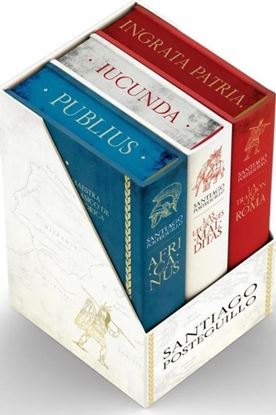
TRILOGIA AFRICANUS (ESTUCHE) (BOL)
El hijo del cónsul
A finales del siglo III a.C. Roma está a punto de ser aniquilada por los ejércitos cartagineses al mando de uno de los mejores estrategas militares de todos los tiempos: Aníbal. Su alianza con Filipo V de Macedonia, que pretendía la aniquilación de Roma como estado y el reparto del mundo conocido entre Cartago y Macedonia, constituía una fuerza imparable que podría haber cambiado para siempre la historia de Occidente.
Pocos años antes del estallido del conflicto, nació un niño llamado a realizar grandes proezas: Publio Cornelio Escipión, hijo del cónsul de Roma durante el primer año de la guerra. Ya joven oficial, iniciaría un difícil camino, sorteando obstáculos y buscando alianzas imposibles. Sus hazañas le valieron el sobrenombre de Africanus, en alusión a uno de los territorios que conquistó.
Las legiones malditas
Publio Cornelio Escipión, que pasaría a la historia con el sobrenombre de Africanus, solo tenía veintiséis años cuando aceptó comandar las tropas romanas en Hispania. Heredero de las cualidades militares de su padre y su tío, el joven Escipión también había heredado algunos de sus feroces enemigos, como Asdrúbal, el hermano de Aníbal, o el gran púnico Giscón, quienes planeaban derrotar a su ejército en el campo de batalla.
Sus opositores lo acechaban asimismo en el Senado de Roma, donde el todopoderoso Quinto Fabio Máximo, acérrimo enemigo de los Escipión, logró forzarlo, una vez concluida la campaña en Hispania, a aceptar la tarea de liderar las legiones V y VI. Eran estas unas legiones malditas, constituidas por los soldados supervivientes de Cannae, la más humillante derrota de Roma ante Aníbal. En el exilio en Sicilia, las legiones habían perdido el sentido del deber, la disciplina y toda esperanza de regresar a la patria. Con esta maniobra, Quinto Fabio Máximo creía abocar al último Escipión a una muerte segura. Lo que no podía prever era que el joven militar y sus legiones malditas estaban llamados a cambiar el curso de la historia.
La traición de Roma
En la última novela de la trilogía de Roma Santiago Posteguiillo nos narra el épico final de la vida de dos de los personajes más legendarios de la historia: Escipión y Aníbal. Tras la batalla de Zama, los eternos enemigos vuelven a encontrarse en medio de la vorágine de la guerra de Asia.
3,600

3,600
EL INTEGRAL DE LO SUPERNUEVO DE TANK G.
MÁS LOCURAS DEL PERSONAJE MÁS ICONOCLASTA DEL CÓMIC BRITÁNICO Más historias inéditas en España del personaje más irreverente salido de la mente delan Martin y Jamie Hewlett recopiladas en un nuevo integral repleto de genialidades absurdeces.
3,600
3,700
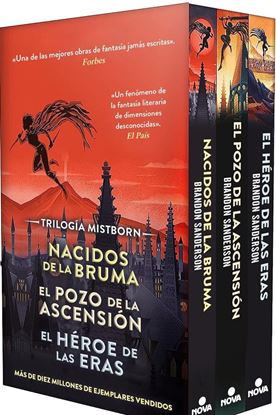
ESTUCHE TRILOGIA ORIGINAL MISTBORN (TB)
En otros tiempos, un heroe se alzó para salvar la humanidad. Fracasó. Desde entonces, el mundo es un erial de ceniza y niebla gobernado por un emperador inmortal conocido como el lord Legislador.
Pero la esperanza perdura. Una nueva revuelta cobra forma cimentándose en la treta definitiva: la astucia de un brillante genio del crimen y la determinación de una heroína insólita, una joven ladrona callejera que deberá aprender a controlar el poder de los nacidos de la bruma.
3,700
3,700
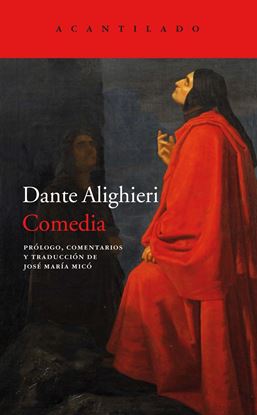
COMEDIA
Hay obras maestras, como el Quijote, que los autores empiezan sin plan preciso ni determinado: van haciendo de la necesidad virtud, rizando el rizo de la invención. Pero la Comedia pertenece a otra categoría: es el resultado de la deliberación y la perseverancia de Dante. Exiliado de Florencia y condenado a la hoguera, fue incluso contumaz, pues insistió en el imperdonable «error» de crear algo profundamente nuevo y personal. Dramática y tenebrosa en el Infierno, pictórica y melancólica en el Purgatorio y luminosa y musical en el Paraíso, la Comedia es a la Edad Moderna lo que la Odisea a la Antiguüedad. Esta nueva traducción de José María Micó, melódica e inspirada, invita al lector de habla hispana a adentrarse en el singular universo dantesco y acompañar al poeta en su viaje por los tres reinos ultramundanos.
3,700
3,800
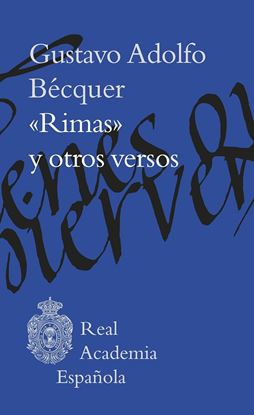
RIMAS (RAE)
Aunque fraguadas sobre todo entre 1858 y 1861, las Rimas están integradas por piezas compuestas a lo largo de casi quince años, hasta el momento de la muerte de Bécquer, sin alcanzar una ordenación definitiva. Los temas dominantes son los propios de la poesía amorosa de todos los tiempos, como la melancolía y la incomunicación, modulados por toda la tradición aprendida (desde el clasicismo grecolatino hasta los romanticismos de escuela, pasando por la literatura del Siglo de Oro) y prestando atención a procedimientos propios de la literatura de consumo, como el sentimentalismo del folletín, la dramatización de la vida privada, la métrica de la zarzuela o el tono de la poesía alemana y de la balada de mediados de siglo.
3,800