

1,200
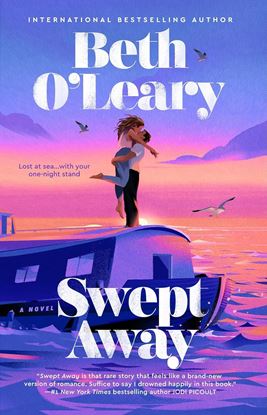
SWEPT AWAY
What if you were lost at sea…with your one-night stand?
Zeke and Lexi thought it would just be a night of fun. They had no intentions of seeing each other again. Zeke is only in town for the weekend to buy back his late father’s houseboat. Lexi has no time for dating when she needs to help take care of her best friend's daughter.
Going back home with a stranger seems like a perfect escape from their problems. But a miscommunication in the dark, foggy night means no one tied the houseboat to the dock. The next morning, Zeke and Lexi realize all they can see is miles and miles of water.
1,200
1,200
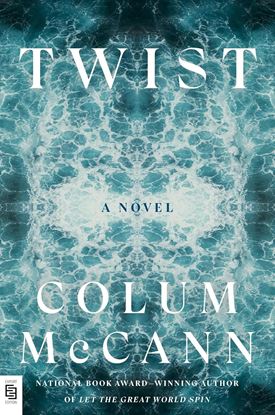
TWIST
Anthony Fennell, a journalist, is in pursuit of a story buried at the bottom of the sea: the network of tiny fibre-optic tubes that carry the world's information across the ocean floor - and what happens when they break. A darkly epic novel about connection, disconnection and destruction - from bestselling and National Book Award-winning author Colum McCann.
1,200
1,200
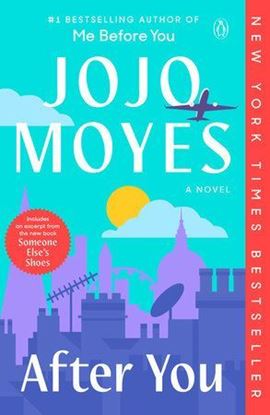
AFTER YOU
How do you move on after losing the person you loved? How do you build a life worth living?
Louisa Clark is no longer just an ordinary girl living an ordinary life. After the transformative six months spent with Will Traynor, she is struggling without him. When an extraordinary accident forces Lou to return home to her family, she can’t help but feel she’s right back where she started.
Her body heals, but Lou herself knows that she needs to be kick-started back to life. Which is how she ends up in a church basement with the members of the Moving On support group, who share insights, laughter, frustrations, and terrible cookies. They will also lead her to the strong, capable Sam Fielding—the paramedic, whose business is life and death, and the one man who might be able to understand her. Then a figure from Will’s past appears and hijacks all her plans, propelling her into a very different future....
1,200
1,200
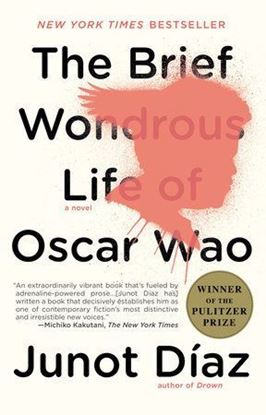
THE BRIEF WONDROUS LIFE OF OSCAR WAO(PB)
Oscar is a sweet but disastrously overweight ghetto nerd who—from the New Jersey home he shares with his old world mother and rebellious sister—dreams of becoming the Dominican J.R.R. Tolkien and, most of all, finding love. But Oscar may never get what he wants. Blame the fukú—a curse that has haunted Oscar’s family for generations, following them on their epic journey from Santo Domingo to the USA. Encapsulating Dominican-American history, The Brief Wondrous Life of Oscar Wao opens our eyes to an astonishing vision of the contemporary American experience and explores the endless human capacity to persevere—and risk it all—in the name of love.
1,200
1,200
1,200
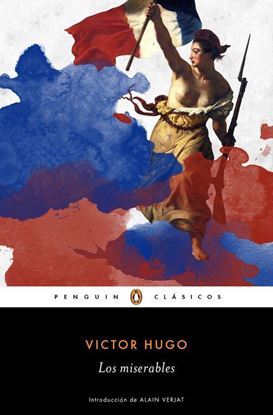
LOS MISERABLES (PENGUIN) (BOL)
Los miserables se publicó en 1862, cuando Victor Hugo se hallaba exiliado en Belgica tras la restauración napoleónica del Imperio. Y podría considerarse que es el exilio, la obligada falta de pertenencia, uno de los motores de la gran novela del romanticismo frances: el exilio social y psicológico gobierna la vida de Jean Valjean, un "noble bruto", un buen hombre que lucha por los que, como el, son injustamente perseguidos. Situada entre las guerras napoleónicas y la revolución burguesa de 1848, Los miserables es, ante todo, una novela epica sobre el triunfo de quienes conservan intacta su conciencia en un mundo gobernado por la pobreza.
1,200