


1,995
ARTIFICIAL. UNA HISTORIA DE AMOR
¿Qué nos une con el pasado de nuestra familia?
Según Amy Kurzweil, conocer a alguien es como conocer un lenguaje. A través de un elaborado proceso de escritura que fluctúa entre el presente y el pasado, en este visionario cómic Kurzweil recoge la historia de tres generaciones de su familia, unidas por el amor, el arte y la inteligencia artificial en una búsqueda que quiere trascender los límites de la vida y desafiar los límites del tiempo.
1,995
1,995
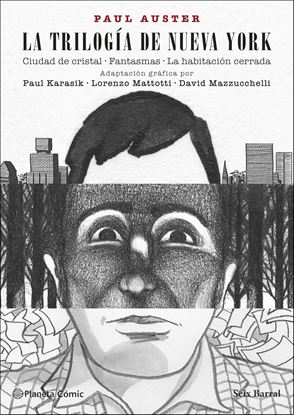
LA TRILOGIA DE NUEVA YORK NOVELA GRAFICA
La adaptación a novela gráfica de La trilogía de Nueva York, la aclamada obra maestra de Paul Auster, una interpretación posmoderna del género policiaco en la que el lenguaje es el principal sospechoso.
En 1994, Ciudad de cristal, la primera de las tres historias que forman parte de La trilogía de Nueva York, tuvo una adaptación a novela gráfica que se convirtió de inmediato en un clásico de culto aplaudido por la crítica y el público, y que fue publicada en más de treinta países. Durante años, sus lectores han estado pendientes de que las otras dos últimas partes fueran llevadas al cómic. Por fin, la espera ha terminado.
La trilogía de Nueva York de Paul Auster es literatura posmoderna disfrazada de ficción noir, donde el lenguaje es el principal sospechoso. Como una reinterpretación de la literatura detectivesca y de misterio, cada libro explora diversos temas filosóficos. En Ciudad de cristal, un autor de novelas de detectives investiga un asesinato y acaba descendiendo a la locura. Fantasmas presenta a un detective privado llamado Azul que vigila a un hombre llamado Negro por encargo de un cliente llamado Blanco. Y en La habitación cerrada, otro escritor sufre un bloqueo creativo y espera superarlo resolviendo la misteriosa desaparición de un amigo de la infancia.
1,995
1,995
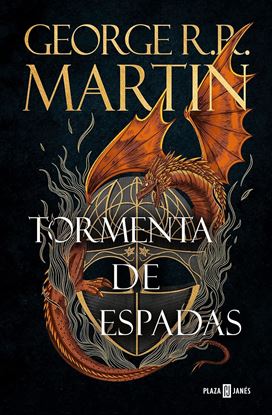
TORMENTA DE ESPADAS. JUEGOS DE TRONO 3
Los cinco títulos hasta ahora publicados de «Canción de hielo y fuego», Juego de tronos, Choque de reyes, Tormenta de espadas, Festín de cuervos y Danza de dragones, llegan a las librerías en una nueva edición que conquistará tanto a los fans de esta saga épica como a aquellos que esperan la oportunidad perfecta para adentrarse en sus páginas por primera vez.
«Larga vida a George Martin... Sacerdote literario, sabedor de su don para el personaje complejo, el lenguaje vívido y la visión salvaje de los mejores narradores.»
The New York Times
1,995
1,995
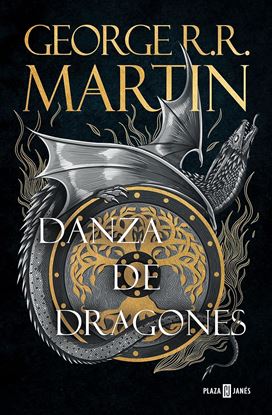
DANZA DE DRAGONES. JUEGOS DE TRONO 5
Los cinco títulos hasta ahora publicados de «Canción de hielo y fuego», Juego de tronos, Choque de reyes, Tormenta de espadas, Festín de cuervos y Danza de dragones, llegan a las librerías en una nueva edición que conquistará tanto a los fans de esta saga épica como a aquellos que esperan la oportunidad perfecta para adentrarse en sus páginas por primera vez.
«Larga vida a George Martin... Sacerdote literario, sabedor de su don para el personaje complejo, el lenguaje vívido y la visión salvaje de los mejores narradores.»
The New York Times
«Mata al niño, Jon Nieve. El invierno se nos echa encima. Mata al niño y que nazca el hombre.»
La victoria de los leones Lannister ha dejado tras de sí un interminable reguero de sangre: lord Tywin yace enterrado, asesinado por mano de su propio hijo; la reina Cersei está encadenada y el pequeño rey Tommen ocupa un trono que podría matarlo. El destino de Poniente pende de un hilo.
1,995
1,995
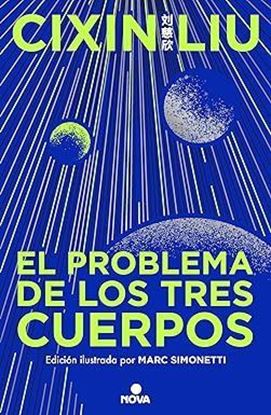
EL PROBLEMA DE LOS TRES CUERPOS (ILUST)
El problema de los tres cuerpos es la clave de todo: de la muerte de varios científicos, de una conspiración que abarca años luz y de la amenaza de la extinción de la humanidad.
1,995
1,995
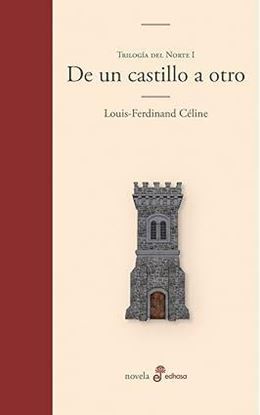
DE UN CASTILLO A OTRO. TRILOGIA NORTE 1
Los aliados han liberado Francia, y las tropas alemanas en retirada conducen a un numeroso grupo de colaboracionistas del gobierno de Vichy al castillo de Sigmaringen. Éste es el punto de partida de De un castillo a otro: más de mil personas angustiadas, sin norte ni futuro, se hacinan en un castillo laberíntico. Pero los castillos de Céline son realmente dolorosos, agitados por los espectros de la guerra, el odio y la miseria. Transparente en su autobiografía, casi a caballo entre la novela y la confesión, con aguda ironía y punzante humor, Céline nos describe a los alemanes en pánico, a una Europa que retumba, a los ministros de Vichy sin ministerio y al mariscal a punto de entrar en el Tribunal Supremo. Con su prosa arrolladora y sincopada, en completo desorden pero con vívida clarividencia, Céline nos narra como nadie el caos la derrota, los excesos y las miserias de la condición humana. Así, este De un castillo a otro, primer volumen de lo que el propio autor concibió como una historia magna, la Trilogía del Norte, es uno de sus libros más demoledores, y bien habría podido titularla el final de la noche, porque es una novela que nos interpela, nos sacude, nos golpea. Una literatura radical que se escribe con las vísceras.
1,995