

1,995
1,596
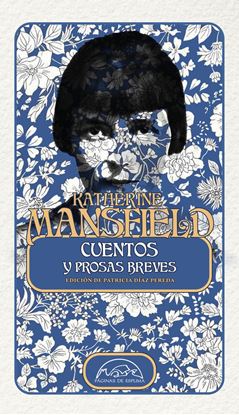
CUENTOS Y PROSAS BREVES
Virginia Woolf anotó en su diario que Katherine Mansfield «escribía todo el día», y este Cuentos y prosas breves da testimonio al lector de la escritura, casi compulsiva, que la neozelandesa llevó a cabo desde la infancia hasta pocos meses antes de su muerte en 1923. En la lectura de estos textos se evidencia la necesidad que tenía de poner por escrito mucho de lo que pasaba por su mente, por su imaginación, por su vida diaria. Y no descubrimos nada nuevo si señalamos su asombrosa capacidad de observación y su maestría para reproducir hasta el más mínimo detalle, de su magnífica capacidad para hacer visible un ambiente determinado y transmitirlo sin necesidad de muchas palabras.
El volumen que presentamos recopila, por primera vez en español y en orden cronológico, tanto los relatos que la autora publicó en vida en diversas revistas como los cuentos y prosas breves de los cuadernos de notas, con el deseo de presentar al lector todo el material inédito en nuestra lengua hasta la fecha.
Estas páginas –seleccionadas y traducidas por Patricia Díaz Pereda– acercan al lector al universo creativo de Mansfield y permiten descubrir su evolución como escritora a la par que intentan completar el retrato literario de una de las grandes innovadoras y maestras del relato corto en lengua inglesa.
1,995
1,596
1,995
1,596
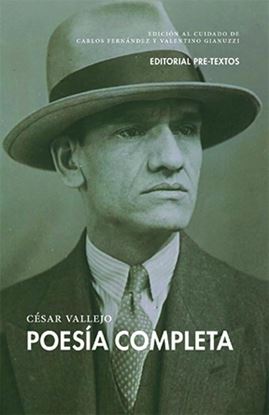
POESIA COMPLETA
La presente edición reúne todos los poemas conocidos de César Vallejo, incluyendo los que permanecieron inéditos en el momento de su muerte, sus poemas en prosa y las poesías dispersas en la prensa periódica. Como ejemplo de su proceso creativo, un apéndice recoge versiones alternativas de poemas tan famosos como «Los heraldos negros», «La cena miserable», «Voy a hablar de la esperanza», «Los nueve monstruos», así como «Batallas de España», redacción primigenia de su célebre España, aparta de mí este cáliz.
1,995
1,596
1,995
1,596
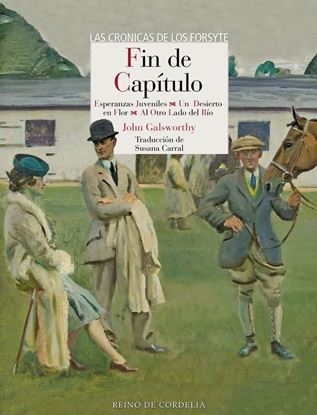
FIN DE CAPITULO
tras el éxito de la trilogía 'La saga de los Fosyte' y de la continuación de esta, 'Una comedia moderna', John Galworthy publicó una tercera, que cierra el ciclo de lo que se denomina «Las crónicas de los Forsyte». Las tres novelas que componen Fin de capítulo se desarrollan en la década de 1930. Esta tercera trilogía narra las vidas y amores de los Cherrell, familia política de los Forsyte y miembro de la aristocracia rural. Durante siglos, los Cherrell han salido de su casa solariega de Condaford Grange para servir al Estado como soldados, clérigos y administradores, pero los años treinta, con la amenaza de una nueva guerra en Europa, llena de incertidumbre un mundo de valores morales que evolucionan de modo vertiginoso, espoleados por el desempleo. Galsworthy realiza una magnífica descripción de cómo los cambios políticos afectan al individuo y a la sociedad.
1,995
1,596
1,995
1,596
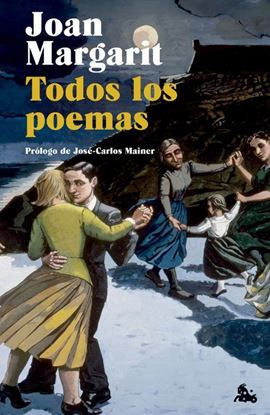
TODOS LOS POEMAS (BOL)
l impacto de la obra de Joan Margarit excede el círculo de lectores habituales de poesía. Se trata de uno de los poetas catalanes más leídos de todos los tiempos. Su obra poética, cada vez más desnuda y contundente, nunca rehúye el dolor, la soledad, el miedo o la pérdida. Al contrario, se enfrenta a éstos con una lucidez rebelde muy ligada al vitalismo y a la fe en el amor. Arquitecto de profesión, concibe la poesía como un refugio, como un auxilio contra el desamparo. Así lo expresa en unos versos muy recordados: «por más bello que sea, un buen poema / ha de ser siempre cruel. / No hay nada más. La poesía es hoy / la última casa de misericordia».
1,995
1,596
1,995
1,596
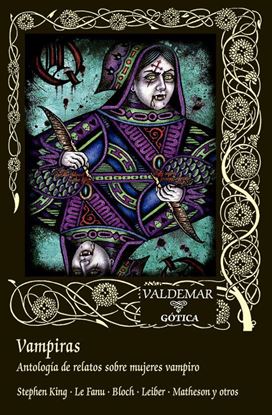
VAMPIRAS
Bajo la mirada cómplice de la Luna, «las damas de la noche» abandonan sus fríos sepulcros, sus estériles aposentos de la nada y su cuerpo incorrupto, mortalmente bello y subyugante, se yergue en la Vida y se instala de nuevo en la Naturaleza... «La mujer Vampiro» subsiste gracias a la fuerza de los que todavía no han muerto, una fuerza que absorbe a través de su sangre, pues la sangre es vida. Debe chupar el aliento de aquellos que viven o no podrá respirar. Debe beber su sangre o morirá de hambre... Vaga en la noche, alimentándose incesantemente de los vivos, reclutando nuevos miembros con que engrosar las horrendas filas de su estirpe maldita.
En esta antología se recogen los mejores relatos sobre mujeres vampiro que se han escrito a lo largo del tiempo. Desde "Carmilla" de Sheridan Le Fanu hasta "Roja como la sangre" de Tanith Lee, pasando por Stephen King, Francis Marion Crawford y la época dorada de Weird Tales.
Un viaje a las sangrientas criptas del terror primigenio en brazos de unas damas nada complacientes...
1,995
1,596
1,995
1,596
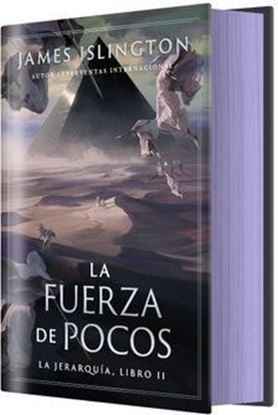
LA FUERZA DE POCOS (TD) (2)
La Jerarquía aún me llama Vis Telimus. Aún me aclaman como Catenicus. Aún creen que saben quién soy. Pero, con todo lo que ha pasado, con lo que temo que está a punto de ocurrir, no estoy seguro de que importe.
Ya no soy solo uno. Gané el Iudicium y lo perdí todo. Y ahora el antiguo artefacto que aguardaba más allá del Laberinto me ha copiado en tres mundos diferentes: Obiteum, Luceum y Res. Una versión de mí mismo en cada uno; tres cuerpos distintos, tres vidas distintas. Debo esconderme, luchar, conspirar. Debo entrenar, confiar, mentir. Debo matar, sanar, ponerme a prueba a mí mismo una vez, y otra, y otra…
Soy amado. Soy odiado. Estoy completamente solo. Por encima de cualquier otra cosa, necesito encontrar respuestas antes de que sea demasiado tarde. Para comprender la naturaleza de lo que me ha pasado, el porqué.
Necesito encontrar un modo de detener el cataclismo que se avecina, porque, si todo lo que he descubierto hasta ahora es verdad, puede que yo sea el único capaz de conseguirlo.
1,995
1,596