995
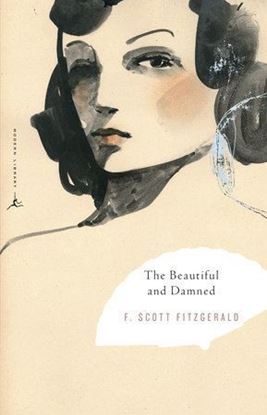
THE BEAUTIFUL AND DAMNED
Fitzgerald’s second novel, a devastating portrait of the excesses of the Jazz Age, is a largely autobiographical depiction of a glamorous, reckless Manhattan couple and their spectacular spiral into tragedy. Published on the heels of This Side of Paradise, the story of the Harvard-educated aesthete Anthony Patch and his willful wife, Gloria, is propelled by Fitzgerald’s intense romantic imagination and demonstrates an increased technical and emotional maturity. The Beautiful and Damned is at once a gripping morality tale, a rueful meditation on love, marriage, and money, and an acute social document. As Hortense Calisher observes in her Introduction, “Though Fitzgerald can entrance with stories so joyfully youthful they appear to be safe—when he cuts himself, you will bleed.”
995
995
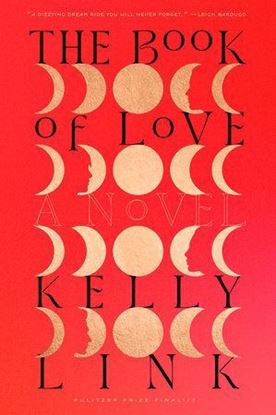
THE BOOK OF LOVE
The Book of Love showcases Kelly Link at the height of her powers, channeling potent magic and attuned to all varieties of love—from friendship to romance to abiding family ties—with her trademark compassion, wit, and literary derring-do. Readers will find joy (and a little terror) and an affirmation that love goes on, even when we cannot.
Late one night, Laura, Daniel, and Mo find themselves beneath the fluorescent lights of a high school classroom, almost a year after disappearing from their hometown, the small seaside community of Lovesend, Massachusetts, having long been presumed dead. Which, in fact, they are.
With them in the room is their previously unremarkable high school music teacher, who seems to know something about their disappearance—and what has brought them back again. Desperate to reclaim their lives, the three agree to the terms of the bargain their music teacher proposes. They will be given a series of magical tasks; while they undertake them, they may return to their families and friends, but they can tell no one where they’ve been. In the end, there will be winners and there will be losers.
995
995
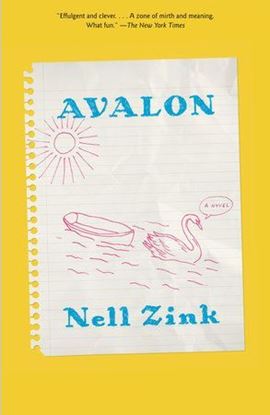
AVALON
Bran’s Southern California upbringing is anything but traditional. After her mother joins a Buddhist colony, Bran is raised by her “common-law stepfather” on Bourdon Farms—a plant nursery that doubles as a cover for a biker gang. She spends her days tending plants, slogging through high school, and imagining what life could be if she had been born to a different family.
And then she meets Peter, a beautiful, troubled, and charming train wreck of a college student from the East Coast, who launches his teaching career by initiating her into the world of literature and aesthetics. As the two begin a volatile and ostensibly doomed long-distance relationship, Bran searches for meaning in her own surroundings—attending disastrous dance recitals, house-sitting for strangers, and writing scripts for student films. She knows how to survive, but her happiness depends on learning to call the shots.
995