900
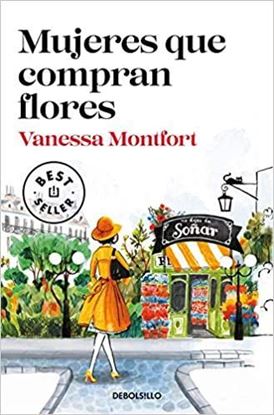
MUJERES QUE COMPRAN FLORES (BOL)
En un pequeño y céntrico barrio de la ciudad hay cinco mujeres que compran flores. Al principio ninguna lo hace para sí misma: una las compra para su amor secreto, otra para su despacho, la tercera para pintarlas, otra para sus clientas y la última para un muerto. La última soy yo y ésta es mi historia.
Después del fallecimiento de su pareja, Marina se da cuenta de que está totalmente perdida: había ocupado el asiento del copiloto durante demasiado tiempo. Buscando empezar de cero acepta un trabajo provisional en una curiosa floristería llamada El Jardín del Ángel. Allí conocerá a otras mujeres muy diferentes entre sí, pero que, como ella, se encuentran en una encrucijada vital con respecto a su trabajo, sus amantes, sus deseos o su familia. De la relación entre ellas y Olivia, la excéntrica y sabia dueña del local, surgirá una estrecha amistad de la que dependerá el nuevo rumbo que tomarán sus vidas.
Adictiva, divertida, romántica, honesta, Mujeres que compran flores es una emocionante historia de amistad, una aventura cotidiana en busca de la independencia femenina, un épico viaje al centro de los sueños de la mujer contemporánea.
900
1,150
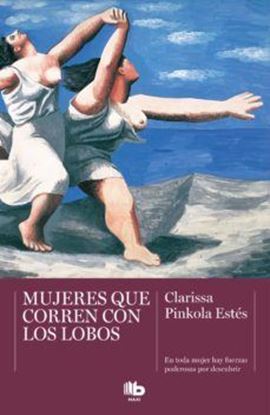
MUJERES QUE CORREN CON LOS LOBOS (BOL)
«En toda mujer hay fuerzas poderosas pendientes de descubrir.»
Mujeres que corren con los lobos es un fascinante mosaico de historias que nos ofrece una nueva visión de lo femenino y de sus posibilidades.
Dentro de toda mujer alienta una vida secreta, una fuerza ponderosa llena de Buenos instintos, creatividad y sabiduría. Es la Mujer Salvaje, una especie en peligro de extinción debido a los contantes esfuerzos de la sociedad por «civilizar» a las mujeres y constreñirlas a rígidos papeles que anulan su esencia instintiva.
En este libro, Clarissa Pinkola Estés revela ricos mitos interculturales, cuentos de hadas e historias (muchas de ellas relativas a su propia familia) para contribuir a que las mujeres recuperen su fuerza y su salud, atributos visionarios de esta esencia instintiva.
1,150

995
MUNDO DE AFUERA (PA 14)
Isolda vive encerrada en un castillo extraño y fascinante al mismo tiempo, tan ajeno a la ciudad de Medellín en la que se sitúa como singulares son sus habitantes y la vida que llevan. La atmósfera de irrealidad que se respira resulta opresiva para la adolescente, que encuentra en el bosque que lo rodea la única tregua posible a su soledad.
Pero las amenazas invisibles del mundo de afuera se cuelan silenciosamente entre las ramas de los árboles cercanos al castillo. Con un perfecto manejo de la tensión, Jorge Franco construye en esta novela un cuento de hadas con tintes tenebrosos que acaba convirtiéndose en la historia desquiciada de un secuestro.
995
850
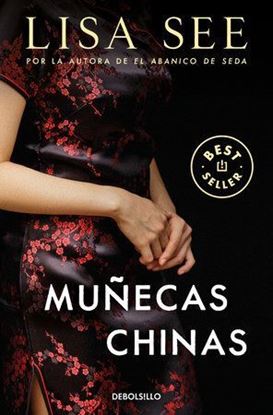
MUÑECAS CHINAS (BOL)
Lisa See, la aclamada autora de El abanico de seda, Dos chicas de Shanghái y Sueños de felicidad (Bruguera, 2012) ha conseguido el reconocimiento mundial por su maestría a la hora de retratar las intrincadas relaciones entre mujeres, siempre marcadas por el hilo invisible del destino. Pero nunca antes había ahondado en la amistad de tres mujeres.
Ahora nos ofrece la fascinante historia de tres chicas de muy distinto origen que, entre 1938 y 1948, luchan juntas por cumplir sus sueños en el club más glamuroso de San Francisco, hasta que el ataque japonés de Pearl Harbor, tan lejos de ellas, pone en peligro sus ambiciones, y hasta sus vidas, cuando una traición inesperada lo cambia todo.
850
850
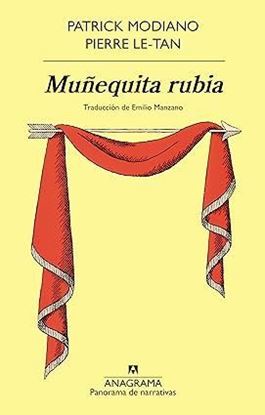
MUÑEQUITA RUBIA
Este libro es el programa de mano del estreno en París de una pieza teatral titulada Muñequita rubia, de Pierre-Michel Wals. Contiene el texto de la obra, una nota introductoria de la directora del Teatro de las Artes, el listado de personajes y actores, algunos bocetos del vestuario y algunos anuncios publicitarios.
La obra pone en escena el reencuentro de cinco amigos que en su juventud montaron el grupo musical los Peter-Pans y tuvieron un primer éxito con una canción titulada «Muñequita rubia». Ahora, veinte años después de aquello, vuelven a verse las caras. La peculiaridad de la reunión es que tres de ellos siguen vivos, han envejecido y están a punto de cumplir los cuarenta, pero los otros dos, que fallecieron hace tiempo, se presentan como fantasmas veinteañeros anclados en el pasado. El cruce de unos y otros lleva a una reflexión melancólica, divertida y desencantada sobre la vida, los anhelos y el paso del tiempo, en un territorio entre el sueño y la realidad.
850
800
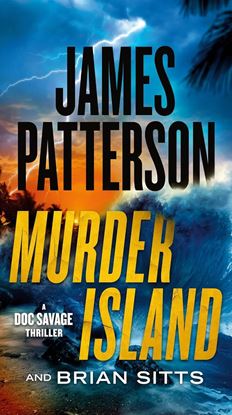
MURDER ISLAND
When professor turned crime-fighter Brandt "Doc" Savage and his girlfriend Kira Sunlight land on a desert island in the middle of the Atlantic, they think they've found a perfect utopia. An escape from their tumultuous pasts.
But they don't have long to enjoy their newfound peace before they are violently separated and dragged to opposite ends of the Earth.
Doc's search for Kira takes him from the coast of Brazil to northern Europe and the jungles of the Congo, and he discovers they are entangled in a global conspiracy that is bigger he ever could have imagined.
800
995
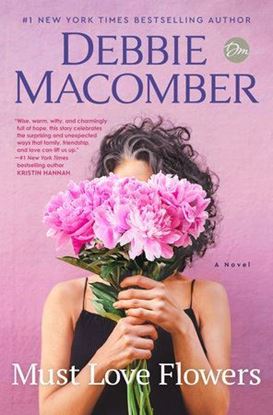
MUST LOVE FLOWERS
Joan Sample is not living the life she expected. Now a widow and an empty-nester, she has become by her own admission something of a recluse. But after another birthday spent alone, she is finally inclined to listen to her sister, who has been begging Joan to reengage with the world. With Emmie’s support, Joan gathers the courage to take some long-awaited steps: hiring someone to tame her overgrown garden, joining a grief support group, and even renting out a room to a local college student. Before long Joan is starting to feel a little like herself again.
Across town, Maggie Herbert works mornings as a barista, tending to impatient customers before rushing to afternoon nursing classes. She lives with her alcoholic father, ducking his temperamental outbursts and struggling to pay the household bills. But her circumstances brighten when she finds a room for rent in Joan’s home. In the unexpected warmth of her new situation, Maggie finds a glimmer of hope for a better life. But will Maggie’s budding attraction to one of her favorite customers ruin the harmony she’s only recently found with Joan? Meanwhile, what is Joan to make of the mysterious landscaper who’s been revitalizing her garden—a man who seems to harbor a past loss of his own?
995

750
MY LIFE WITH THE WALTER BOYS (NETFLIX SE
Jackie's goal is perfection―perfect grades, the perfect look, getting into the perfect school. If she can achieve that, then maybe her too-busy mom and dad will take notice. But when her parents die in a tragic accident, Jackie is shipped off across the country to live with the Walters, her new guardians…who just happen to have eleven sons (plus a daughter who is basically one of the boys).
The Walter boys are loud, dirty, annoying―and, okay, some of the older boys might be Greek god level hot, but they don't think a city girl belongs on their horse ranch. How is Jackie supposed to fit into their chaotic world when she needs to keep her parents' memory alive by living up to the promise of perfect?
But as Jackie spends more time with the Walter boys, she begins to wonder if the perfection she's always strived for isn't the only way to find love after all.
750
1,250
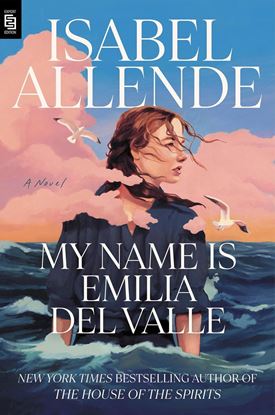
MY NAME IS EMILIA DEL VALLE (EXP)
In San Francisco in 1866, an Irish nun, abandoned following a torrid relationship with a Chilean aristocrat, gives birth to a daughter named Emilia del Valle. Raised by a loving stepfather, Emilia grows into an independent thinker and a self-sufficient young woman.
To pursue her passion for writing, she is willing to defy societal norms. At the age of seventeen, she begins to publish pulp fiction using a man’s pen name. When these fictional worlds can no longer satisfy her sense of adventure, she turns to journalism, convincing an editor at The Daily Examiner to hire her. There she is paired with another talented reporter, Eric Whelan.
As she proves herself, her restlessness returns, until an opportunity arises to cover a brewing civil war in Chile. She seizes it, as does Eric, and while there, she meets her estranged father and delves into the violent confrontation in the country where her roots lie. As she and Eric discover love, the war escalates and Emilia finds herself in extreme danger, fearing for her life and questioning her identity and her destiny.
1,250