
3,900
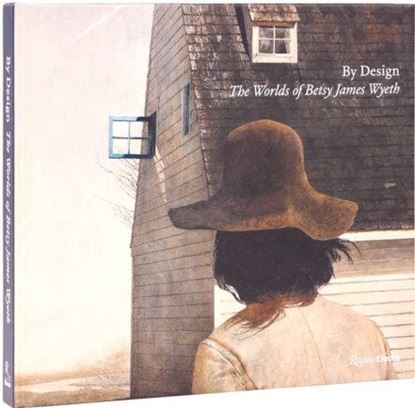
BY DESIGN. THE WORLDS OF BETSY JAMES WYE
This revelatory book explores the contributions of Betsy James Wyeth (1921–2020), a multitalented maker of designed environments and interior spaces, preservationist, and creative partner to the beloved American artist Andrew Wyeth. Betsy herself created the world around her through imagery, decorative arts objects, documents, and paintings by Andrew and others, which were largely shaped by Betsy and the worlds she created.
The volume features stunning photography of key sites such as Brinton’s Mill and environments that define her creative vision. Scholars discuss her process and significant role in projects like the Shore House at Broad Cove Farm, the site of the formation of Betsy’s refined and minimalist design sensibility. Personal reflections from her family shed light on Betsy’s life and influence, with additional contributions that explore her publishing endeavors and support for the maritime economy. Through a wide range of fine and decorative art objects from the remarkable and largely unexhibited holdings of the Wyeth Foundation for American Art that pertain to Betsy’s legacy, select loans, new photography, this book allows visitors to understand and explore her designed environments as never before.
3,900
1,995
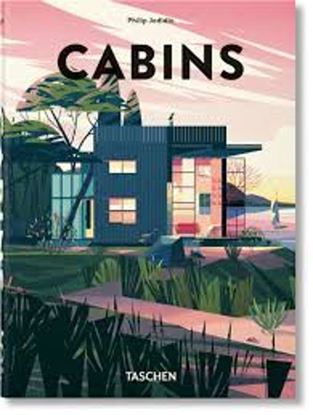
CABINS (45TH ED.) (INT)
Desde que Henry David Thoreau describiera en Walden o Vida en los bosques (1854) los dos años, dos meses y dos días que habitó en una cabaña en Walden Pond (Massachusetts), la idea de una vivienda refugio ha seducido a la psique moderna. En la última década, con el crecimiento exponencial del consumo de materias primas y el impacto de nuestra huella ecológica, arquitectos internacionales se han interesado por las posibilidades que brinda un tipo de casa aislada, minimalista y de bajo impacto.
Esta edición de Cabañas, que combina un texto en profundidad con abundantes fotografías y brillantes ilustraciones de Marie-Laure Cruschi, explora las oportunidades que brinda este tipo de arquitectura para la creatividad. La cabaña renuncia a los excesos y limita su intrusión espacial a cubrir las necesidades esenciales para vivir, al tiempo que se muestra respetuosa con el medio natural en el que se ubica y prioriza soluciones ecológicas. Así, las cabañas ofrecen algunas de las propuestas más innovadoras y con mayor visión de futuro de la arquitectura contemporánea, de la mano de Renzo Piano, Terunobu Fujimori, Tom Kundig y muchos otros jóvenes profesionales que trabajan en estos espacios refugio.
1,995
2,200
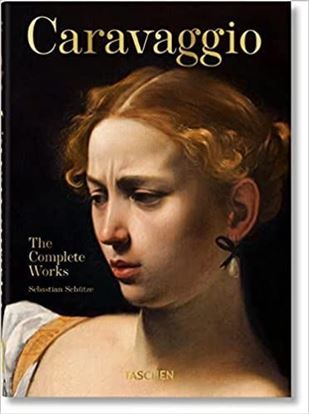
CARAVAGGIO (40) (GB)
Caravaggio, or more accurately Michelangelo Merisi da Caravaggio (1571–1610), was always a name to be reckoned with. Notorious bad boy of Italian painting, the artist was at once celebrated and controversial: violent in temper, precise in technique, a creative master, and a man on the run. Today, he is considered one of the greatest influences in all art history.
This edition offers a neat and comprehensive Caravaggio catalogue raisonné. Each of his paintings is reproduced from recent top-quality photography, allowing for a vivid encounter with the artist’s ingenious repertoire of looks and gestures, as well as numerous detail shots of his boundary-breaking naturalism. Five accompanying chapters trace the complete arc of Caravaggio’s career from his first public commissions in Rome through to his growing celebrity status and trace his tempestuous personal life, in which drama loomed as prominently as in his canvases.
2,200
6,500
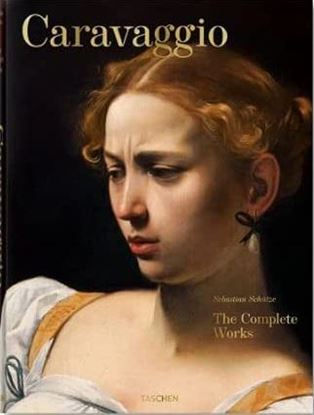
CARAVAGGIO (XL) (INT)
Caravaggio, or more accurately Michelangelo Merisi da Caravaggio (1571–1610), was a legend even in his own lifetime. Notorious bad boy of Italian painting, the artist was at once celebrated and controversial: Violent in temper, precise in technique, a creative master, and a man on the run.
This work offers a comprehensive reassessment of Caravaggio’s entire œuvre with a catalogue raisonné of his works. Each painting is reproduced in large format, with recent, high production photography allowing for dramatic close-ups with Caravaggio's ingenious details of looks and gestures.
Five introductory chapters analyze Caravaggio's artistic career from his early struggle to make a living, through his first public commissions in Rome, and his growing celebrity status. They look at his increasing daring with lighting and with a boundary-breaking naturalism which allowed even biblical events to unfold with an unprecedented immediacy before the viewer.
6,500
1,995
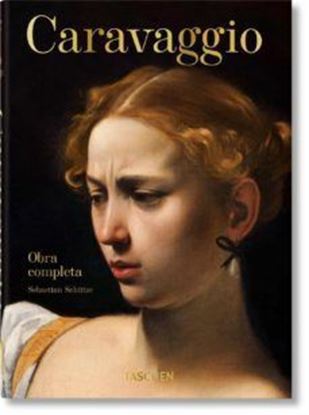
CARAVAGGIO. OBRA COMPLETA. (45TH) (E)
Caravaggio, o para ser más exactos Michelangelo Merisi da Caravaggio (1571-1610), siempre fue una figura de relevancia. El artista, considerado un rebelde de la pintura italiana, fue a la vez alabado y vapuleado. De temperamento violento y tecnica precisa, fue un maestro creativo y un fugitivo de la justicia. En la actualidad se le considera una de las figuras más influyentes de toda la historia del arte.
Esta edición ofrece un ordenado pero exhaustivo catalogue raisonne (catálogo exhaustivo, con todas las obras conocidas) de Caravaggio. Todas sus pinturas se reproducen a partir de fotografías recientes de gran calidad que permiten disfrutar en primera persona del genial repertorio de miradas y gestos del artista y de numerosos detalles de ese personal realismo que traspasaba límites. Los cinco capítulos que lo completan recorren toda la trayectoria de Caravaggio, desde sus primeros encargos públicos en Roma hasta el punto más alto de su celebridad. Asimismo, la detallada cronología del libro repasa su tempestuosa vida personal, en la que lo trágico tuvo el mismo protagonismo que los claroscuros en sus lienzos.
1,995
1,250
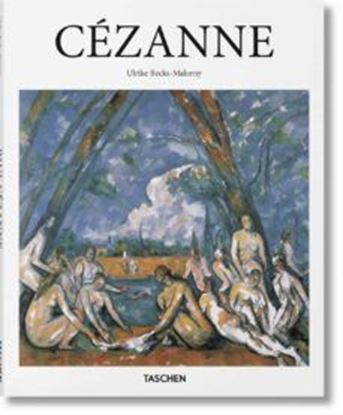
CEZANNE (BA-ART) (E)
Descubra las obras fundamentales de Paul Cézanne a través de manzanas, peras y las nuevas perspectivas experimentales del artista al que Matisse y Picasso calificaron como el‘padre de todos nosotros’. De naturalezas muertas a imágenes de su querida montaña Sainte-Victoire, recorremos el audaz acercamiento del artista a la luz, el espacio y la...
Durante la segunda mitad del siglo XIX, en los verdes campos de los alrededores de Aix-en-Provence, Paul Cézanne (1839-1906) se consagró a la representación de paisajes y naturalezas muertas que se convertirían luego en obras clave del arte moderno. Con pinceladas compactas e intensas y un audaz acercamiento al espacio y la luz, Cézanne intermedió entre el impresionismo y los movimientos fundamentales de principios del siglo XX y se convirtió, en palabras de Matisse y Picasso, en "el padre de todos nosotros”.
Esta nueva aproximación a su trabajo selecciona las obras clave que permiten entender el desarrollo, las innovaciones y la influencia crucial que Cézanne ha tenido en el arte moderno. Desde composiciones de frutas y peras hasta escenas de bañistas, recorremos su experimentación con el color, la perspectiva y la textura para evocar“una armonía paralela a la naturaleza”, así como el propio proceso de ver y representar.
1,250