
3,995
2,996
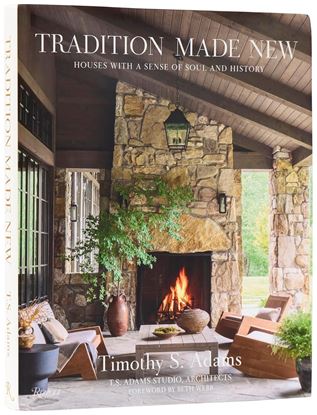
TRADITION MADE NEW
Architect Adams has long had a passion for design. His appreciation for how things are made had its genesis in his childhood experiences on a farm in Asheville, North Carolina. As a boy, Adams always had a pencil in hand, sketching for hours. Today, it is his understanding of craft and response to place that sets him apart.
Informed by Adams’s deep knowledge of historic precedents, proportions, and details, the homes featured in this book are imbued with soul, whether it’s a charming house in the woods on the lake, a refined contemporary beachside retreat, or a traditional manor house in town. While the homes featured range in scale and style— Tudor, Arts and Crafts, French country, Southern farmhouse—Adams imbues each with natural materials such as bespoke architectural details in millwork and molding, arched doorways, and oversized windows. He brilliantly weaves wood, stone, copper, and other natural substances through the interiors to create an effect that casts a spell inside and out. These are houses that are grounded in the past, designed for the present, and intended to remain beautiful and functional over the long term.
3,995
2,996
2,995
2,246
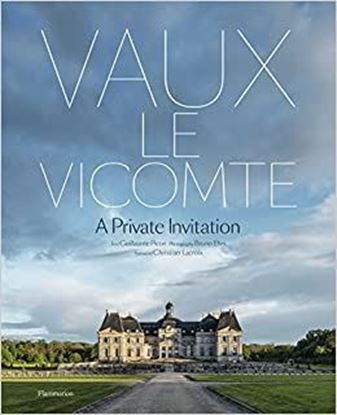
VAUX-LE-VICOMTE
This comprehensive monograph is an exclusive look inside the château that inspired the design of Versailles and today continues to enchant visitors and film directors alike.
Vaux-le-Vicomte’s rich history began in 1641 when infamous French finance minister Nicolas Fouquet, the original owner, surrounded himself with the most skilled and talented artisans of the time: the architect Louis Le Vau, the painter Charles Le Brun, and the garden designer André Le Nôtre, to create a perfect harmony between architecture and landscape. The Château de Vaux-le-Vicomte and its spectacular gardens fascinated Louis XIV and were the inspiration for Versailles. Classified as a historical monument since 1875 under the impetus of the owner at the time, the castle of Vaux-le-Vicomte quickly became a model of the artistic genius of the seventeenth century.
This volume traces the château’s history from the seventeenth century through the Belle Époque, World War I, and its public opening in 1968. Exclusive photography and archival documents offer unprecedented access to the château, furnishings, and gardens, and illuminate the extraordinary secrets of court life and centuries of celebrations that include the enchanting candlelit tours held today.
2,995
2,246
2,700
2,025
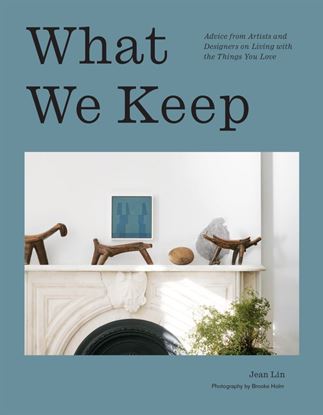
WHAT WE KEEP ADVICE FROM ARTISTS
Learn the refined art of display and get an insider’s education in collecting from gallerist Jean Lin. Follow in her footsteps and tour the unique and beautiful homes of more than a dozen dedicated collectors.
Whether you're starting a new collection or wish to display an existing one, each chapter offers inventive ideas for styling and displaying favorite objects, along with a primer on materials, studio visits with ceramicists, textile artists, and woodworkers, and wisdom from some of today’s most fascinating artists and makers.
2,700
2,025
1,200
900
EL MUNDO SEGUN YVES SAINT LAURENT
Las frases célebres del legendario diseñador Yves Saint Laurent sobre alta costura, mujer, estilo y elegancia, en un precioso formato.
Fundada por Yves Saint Laurent y Pierre Bergé en 1962, poco después de que el joven modista dejara su puesto al frente de Christian Dior, Yves Saint Laurent se convirtió en una de las casas de alta costura más exitosas e influyentes de París.
Con Le Smoking, el primer traje de esmoquin para mujer, de 1966, Saint Laurent también presentó creaciones icónicas inspiradas en el arte, desde vestidos de Mondrian hasta preciosos bordados de Van Gogh y la famosa colección Ballets Rusos.
1,200
900
3,350
2,513
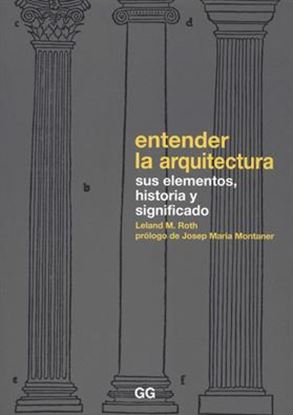
ENTENDER LA ARQUITECTURA
Esta introducción clásica a la arquitectura está planteada a partir de dos enfoques claramente diferenciados y complementarios entre sí: uno temático, que aborda los elementos de la arquitectura, y otro de recorrido histórico, que ahonda en la historia y el significado de la arquitectura. La primera parte, dividida en ocho capítulos, afronta los conceptos básicos de la arquitectura, a los que Roth denomina elementos. La segunda parte se centra de manera didáctica y sistemática en la historia y el significado de la arquitectura. Roth recorre a lo largo de trece capítulos la historia de la arquitectura y el urbanismo. El prólogo de la edición española es de Josep María Montaner.
3,350
2,513
2,300
1,725
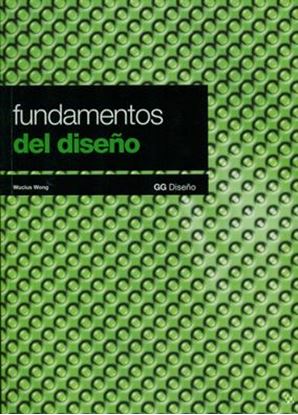
FUNDAMENTOS DEL DISEÑO
Fundamentos del diseño es un volumen recopilatorio de algunos de los textos publicados por Wucius Wong. Contituye la primera parte y esboza las ideas, básicas, centrándose en las formas planas y abstractas.
2,300
1,725