
5,800
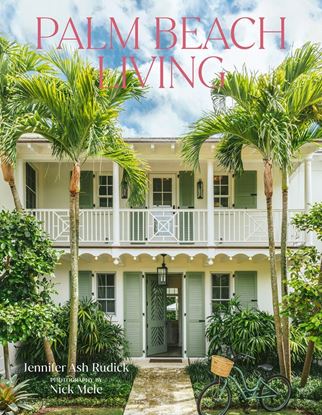
PALM BEACH LIVING
From charming bungalows to sleek minimalist houses and apartments to restorations of iconic Mediterranean Revival residences to a garden dotted with oversized insect sculptures, the homes showcased in Palm Beach Living are as distinctive as they are representative of the ever-evolving design trends on the nation’s most exclusive barrier island.
Some of the homes incorporate the exuberant colors of the island’s flora; others opt for a soothing, more neutral palette to contrast with the surrounding landscape. All embrace indoor-outdoor living, and each reflects the unique aesthetic of the owner.
Guided by native Palm Beacher Jennifer Ash Rudick, with photographs by Nick Mele, “a modern-day Slim Aarons,” readers are granted an intimate look at the best in tropical living.
This gorgeous coffee table book highlights the work of renowned architects—from the legendary Maurice Fatio and John Volk to Daniel Kahan, Fairfax & Sammons, Jeffrey W. Smith, and David Fox & Chris Stone—superb landscape designers, including Mario Nievera, Jorge Sánchez, and Fernando Wong, and such world-class interior designers as Tom Scheerer, Amanda Lindroth, Mark D. Sikes, Jonathan Adler, Frank de Biasi, Mimi McMakin, the late Carleton Varney, and Kim Coleman.
5,800
4,995
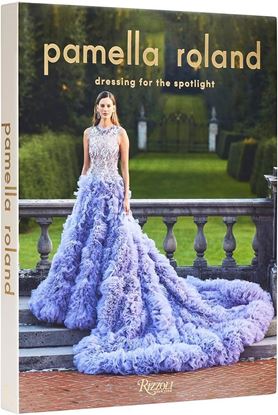
PAMELLA ROLAND
No Hollywood red carpet is ever without an A-list celebrity wearing one of Pamella Roland’s signature megawatt dresses that never fail to catch the light of a camera. Since the American fashion designer’s debut eveningwear couture collection at New York Fashion Week in 2002, Roland has been a perennial favorite for women and celebrities alike who aren’t afraid of being in the spotlight.
Each page of this dazzling debut book features the opulent, sophisticated, and undeniably feminine cocktail dresses, evening gowns, and luxurious women’s resort wear that have made Roland a mainstay in the closets of everyone from Hollywood starlets to customers outside the fashion centers of New York and Los Angeles. Colorful, eye-catching photographs reveal Roland’s design process and creation of her gowns, including sketches, inspirational reference material, snapshots of memorable runway and red-carpet moments, and the debut of her new fragrance. Featured in the book are many of Roland’s devoted friends and clients including Vanessa Williams, Paris Hilton, Mindy Kaling, Kim Cattrall, Debra Messing, Chrissy Teigen, Gigi Hadid, Halle Berry, Rosie Perez, and Eva Longoria, among others. A tribute to the bedazzled, embroidered, and glitzy dresses worn by Hollywood elite, New York socialites, and women across the globe—this volume is a beautiful addition to the libraries of fashion, design, and style lovers.
4,995
1,950
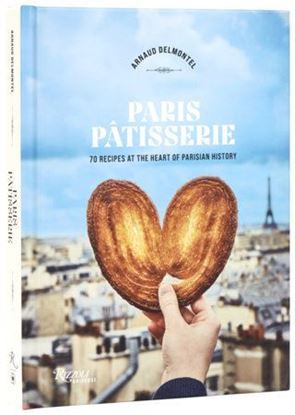
PARIS PATISSERIE
From elegant Saint-Germain-des-Prés to bohemian Montmartre, explore Paris through one of its most beloved culinary traditions: the pâtisserie. Inside this beautifully illustrated Paris pastry cookbook you’ll find over seventy iconic recipes that capture the flavor and atmosphere of these charming neighborhoods. Learn to bake croissants, éclairs, macarons, and tarts as well as classic recipes like Baba au rhum, Chantilly choux, Bûche de Noël, and much more. Easy-to-follow instructions are perfect for aspiring bakers, pastry connoisseurs, home bakers looking to master French pastries, and anyone who wants to bring Parisian cuisine and culture into their own kitchen.
1,950

1,200
PEQUEÑO LIBRO DE ADIDAS
Descubra la legendaria historia de Adidas, la marca de las tres bandas inconfundibles que han conquistado el mundo.
En esta guía ilustrada, Josh Sims se adentra en la apasionante historia de una de las marcas más icónicas en la actualidad, desde sus orígenes en un pequeño pueblo de Alemania hasta convertirse en símbolo de calidad, rendimiento e innovación.
A través de los diseños más icónicos de la marca, las innovaciones que transformaron el sector y su influencia en la cultura pop, este libro representa una lectura esencial para los amantes de las últimas tendencias y de las sneakers.
1,200
995
PEQUEÑO LIBRO DE BALENCIAGA
Cristóbal Balenciaga es considerado el padrino del diseño conceptual, el maestro de la forma y un auténtico visionario de la moda.
Uno de los diseñadores de moda más emblemáticos del siglo xx, su pureza de líneas, la comodidad de sus prendas y su trabajo con los tejidos, el color y el volumen cambiaron el rumbo de la moda.
Este libro recoge la obra, la vida y el legado del diseñador y sus creaciones, incluyendo los revolucionarios vestidos baby doll.
995
995
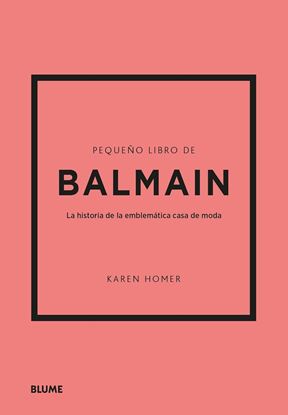
PEQUEÑO LIBRO DE BALMAIN
Desde 1945, la casa Balmain recibe la atención de la crítica y los amantes de la moda gracias a sus impresionantes detalles y su inconfundible estilo maximalista. Marca imprescindible del lujo y el glamur más explosivo, Balmain reina con el apoyo de una envidiable clientela de superestrellas, como el clan Kardashian y Beyoncé, y su inconfundible canto a la opulencia. Con magníficas fotografías y un texto de cuidada redacción, este libro explica la historia de la emblemática firma, desde los inicios junto a Christian Dior hasta la llegada del inimitable Olivier Rousteing, cuya extravagante estética y poderosa influencia han llevado a Balmain hacia una modernidad única. Rousteing se ha convertido en el mayor activo de Balmain. Es un diseñador de moda con talento y un don para el marketing en las redes sociales, que cuenta con el apoyo de famosos y con campañas que ofrecen una amplia variedad de colaboraciones. Con su personalidad abierta y encantadora, su voluntad de afrontar los retos y su compromiso con la igualdad, encarna lo que significa ser un miembro versátil en la comunidad mundial de la moda en el nuevo milenio. «Al principio no podía creer en lo que se convertiría Balmain hoy». Olivier Rousteing, 2019
995