
3,995
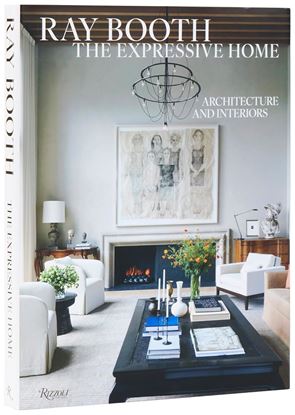
RAY BOOTH: THE EXPRESSIVE HOME
Booth showcases his innovative and sophisticated modern interiors, which mix a keen sense of tranquility with bold and elegant details, as well as homes renovated inside and out, and houses designed and decorated from the foundations up. Both his exteriors and interiors display a harmonious blend of traditional and contemporary elements, resulting in an appealingly timeless aesthetic. This exquisitely designed tome presents his forward-thinking vision.
The spectacular projects featured span the country from coast to coast—from a dramatic Los Angeles hillside dwelling with expansive windows to a contemporary Nashville home that marries brick, metal, and wood. For his own Provincetown seaside getaway, he has chosen an unexpected cutting-edge style. These projects show how he pushes the boundaries of design while imbuing spaces with soul.
3,995
3,300
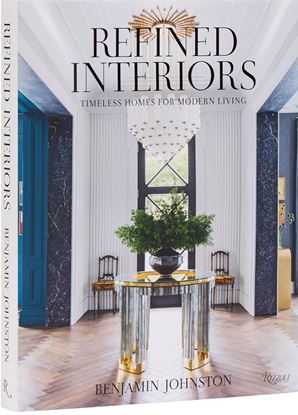
REFINED INTERIORS. TIMELESS HOMES FOR MO
With a master’s degree in architecture and a gift for human connection, the Houston-based designer approaches each house he designs with both precision and profound empathy. Grounded in classical principles of balance and proportion, Johnston’s interiors are celebrated for their crisp lines, tailored details, and timeless elegance. Yet within this architectural rigor, he introduces unexpected, artful moments that infuse every space with originality, vitality, and modern livability.
3,300
995
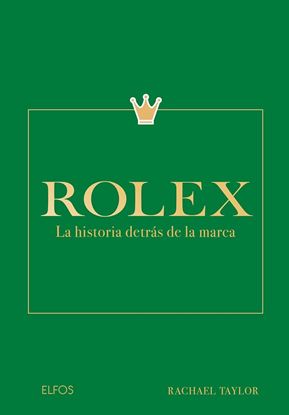
ROLEX. HISTORIA DETRAS DE LA MODA
Esta es la fascinante historia de cómo la visión de un hombre culminó con la creación de la firma de relojes más prestigiosa del mundo.
Descubra cómo Hans Wilsdorf convirtió a Rolex, una pequeña empresa londinense, en el epicentro de la industria relojera suiza.
Con la mirada puesta en los diseños revolucionarios y las innovaciones de Rolex, el lector descubrirá cómo la marca estuvo presente tanto en la superación de récords de velocidad como en grandes producciones cinematográficas de Hollywood, además de acompañar a aventureros en sus expediciones hasta la coronación de la cumbre del Everest y a las profundidades de la fosa de las Marianas.
995
3,900
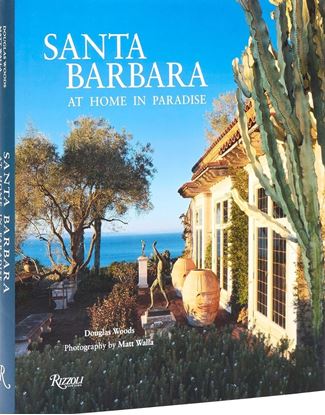
SANTA BARBARA. AT HOME IN PARADISE
With new photographs of houses steeped in the period revival tradition, from 1838 to today, not since Rizzoli’s Santa Barbara Style (2001) has a book so eloquently captured the distinctive splendor of this seaside paradise.
Known worldwide for the Santa Barbara style, the town epitomizes a type of building at once elegant and suffused with poetry. At its heart is the historic downtown, featuring white-washed Mediterranean-style stucco buildings with tile roofs and the iconic Santa Barbara Mission of 1786, whose austere beauty set the tone for all that followed. From its earliest days, the influence of this place has been felt and has since radiated across the sunbelt; it continues to be a model of emulation and inspiration. But it is the houses and the dream of living in Santa Barbara and its sister communities of Ojai, Carpinteria, Summerland, Goleta, and Montecito that casts the most profound spell.
3,900
1,995
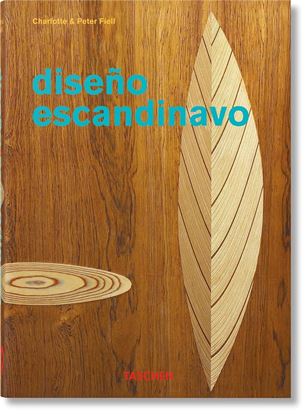
SCANDINAVIAN DESIGN (45TH) (E)
Scandinavia is world famous for its inimitable, democratic designs which bridge the gap between crafts and industrial production, organic forms and everyday functionality. This all-you-need guide includes a detailed look at Scandinavian furniture, glass, ceramics, textiles, jewelry, metalware, and industrial design from 1900 to the present day, with in-depth entries on 125 designers and design-led companies.
Featured designers and designer-led companies include Verner Panton, Arne Jacobsen, Alvar Aalto, Timo Sarpaneva, Hans Wegner, Tapio Wirkkala, Stig Lindberg, Finn Juhl, Märta Måås-Fjetterström, Arnold Madsen, Barbro Nilsson, Fritz Hansen, Artek, Le Klint, Gustavsberg, Iittala, Fiskars, Orrefors, Royal Copenhagen, Holmegaard, Arabia, Marimekko, and Georg Jensen.
1,995
4,200
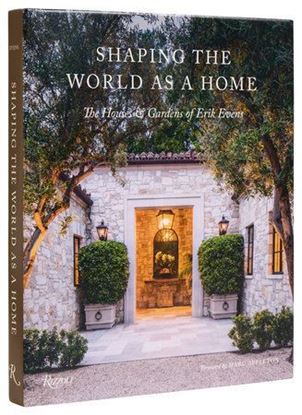
SHAPING THE WORLD AS A HOME
Evens has long been considered one of the country’s leading contemporary architects who aspires to create the complete living environment, in the same vein as Gil Schafer, Bobby McAlpine, Ray Booth, and Stanley Dixon. His inspiration is drawn from classical traditions and informed by contemporary indoor-outdoor life—in this case the indoor-outdoor life of California.
4,200