1,450
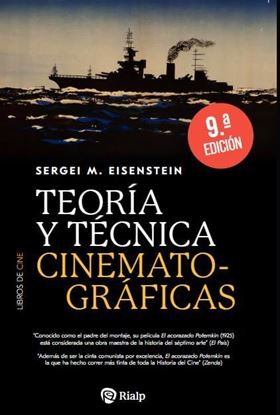
TEORIA Y TECNICA CINEMATOGRAFICA
«En una fotografía que se hizo Eisenstein durante su estancia en Hollywood, en el marco de un colosal decorado barroco, aparece rodeado de cuatro grandes libros abiertos. Poco después de 1931 escribió sobre la fotografía, encima de cada uno de esos libros: pathos, éxtasis, movimiento expresivo del hombre y dramaturgia de la forma cinematográfica, y tituló el conjunto, a modo de epígrafe general de esa fotografía: Sobre lo que trabajo. La imagen tiene vagas resonancias neotestamentarias, como si aquellos libros fueran sus cuatro evangelios, y las cuatro inscripciones su credo artístico» (Juan José García-Noblejas). Con una escasa filmografía ocho películas y un magisterio incuestionable, plasmado en miles de páginas de toda suerte de publicaciones, Eisenstein ocupa un sitio de privilegio en la historia del cine mundial. Teoría y técnica cinematográficas constituye ya un clásico, imprescindible para los que, por profesión o por afición, se relacionan con el cine.
1,450
1,750
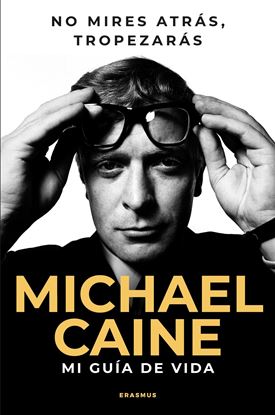
NO MIRES ATRAS, TROPEZARAS
SUS PELÍCULAS, SUS AMIGOS, SUS AFICIONES, SUS CONSEJOS Y SU RECETA PARA SER FELIZ A sus 90 años, Michael Caine, leyenda viva del cine, comparte con su inconfundible humor y sabiduría las lecciones que le ha dado una vida plena delante y detrás de las cámaras. Con ingenio y franqueza, habla de sus películas más queridas, de los amigos que marcaron su camino, de sus pasiones y del arte de mantenerse joven de espíritu. Siempre me hacen preguntas: los fans, otros actores, mis amigos, mis nietos.? Quieren saber cómo he conseguido durar tanto tiempo, cómo llevo la fama, por qué elegí ciertas películas, cuáles son mis favoritas, o qué actores admiro. También preguntan qué me motiva a seguir adelante, qué me hace levantarse cada mañana con ilusión y si alguna vez pienso jubilarme. (La respuesta es: ¡no!). Este libro es el testimonio optimista y luminoso de una vida bien vivida. Un canto a la alegría, al trabajo bien hecho y a la importancia de mantener la curiosidad, el humor y la esperanza —a cualquier edad.
1,750
1,750
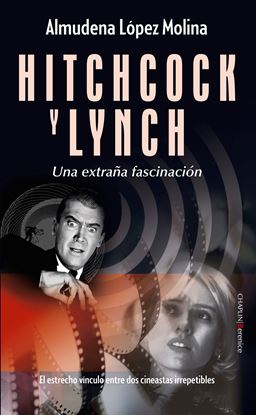
HITCHCOCK Y LYNCH
¿Es la obra de Lynch deudora directa de la de Alfred Hitchcock? ¿Por qué dos directores tan peculiares y, en apariencia, tan diferentes —aunque quizá en el fondo no tanto—, formados en contextos tan diversos, se interesan por los mismos temas? Son algunas de las cuestiones que pretende despejar este esclarecedor ensayo de Almudena López Molina, ahondando en las perspectivas que comparten "Vértigo" y "Mulholland Drive", dos títulos que definen de manera ejemplar el estilo y aliento artístico de sus creadores. Por otro lado, es interesante también examinar en profundidad la filmografía de Lynch —especialmente en obras como "Carretera perdida" ("Lost Highway") o "Twin Peaks"— para determinar cómo las referencias a los rasgos de Hitchcock son una constante en su trayectoria y, al mismo tiempo, cómo se distancia del icónico cineasta británico, forjando una propuesta personal indiscutible. Considerando ambas obras como paradigmáticas de su tiempo, esta reflexión sobre las diversas maneras de abordar temas similares permitirá señalar, en cada caso, los rasgos esenciales de dos películas fascinantes que marcaron un punto de inflexión en la historia del cine.
1,750
1,995
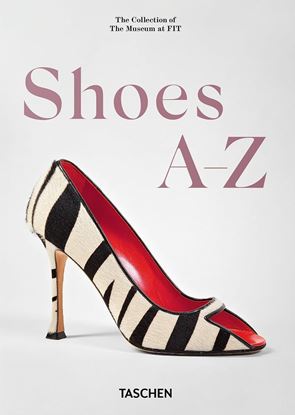
SHOES A-Z. 45TH ED.
Step inside one of the world’s most enviable closets to celebrate the empowering, sensual, playful, and practical shoe. Hundreds of groundbreaking designs, ephemera, and sketches are featured in this volume, a follow-up to Fashion Designers A–Z, from the most coveted labels such as Christian Louboutin, Manolo Blahník, Gucci, Roger Vivier, and more.
1,995
1,200
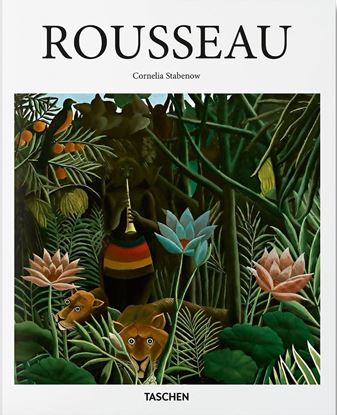
ROUSSEAU (BASIC-ART)
Henri Rousseau (1844–1910) was a clerk in the Paris customs service who dreamed of becoming a famous artist. At the age 49, he decided to give it a try. At first, Rousseau’s bright, bold paintings of jungles and exotic flora and fauna were dismissed as childish and simplistic, but his unique and tenacious style soon won acclaim. After 1886, he exhibited regularly at Paris’s prestigious Salon des Indépendants, and in 1908 he received a legendary banquet of honor, hosted by Picasso.
Although best known for his tropical scenes, Rousseau, in fact, never left France, relying on books and magazines for inspiration, as well as trips to natural history museums and anecdotes from returning military acquaintances. Working in oil on canvas, he tended toward a vibrant palette, vivid rendering, as well as a certain lush, languid sensuality as seen in the nude in the jungle composition The Dream.
1,200