
2,995
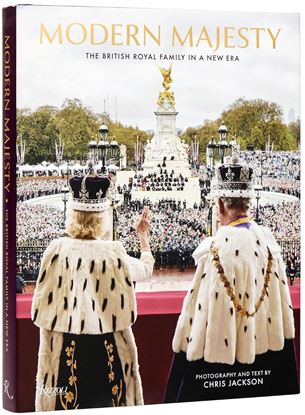
MODERN MAJESTY. THE BRISTISH ROYAL FAMIL
For nearly two decades, Jackson has held a singular position: Getty Images’ most trusted lens on the British monarchy. In Modern Majesty, he offers a compelling and beautifully curated portrait of a royal family reinventing itself in the twenty-first century. From King Charles III’s historic accession and the growing roles of the Prince and Princess of Wales, to poignant family moments and wide-ranging public duties, Jackson captures the intimate and iconic moments that define this new royal era.
Featuring exclusive photographs—many never before published—and compelling behind-the-scenes commentary, Modern Majesty illuminates the balance between tradition and transformation. Whether photographing historic state occasions, tender private gatherings, diplomatic visits, or charity initiatives, Jackson brings warmth, dignity, and insight to every image. His work is the product of more than twenty years embedded within royal life, marked by trust, access, and a rare eye for authenticity.
2,995

1,450
CINE DESCOMPLICADO
¿Por qué todavía se ruedan películas con guiones tan malos? ¿Qué es un actor bancable? ¿Cómo es posible que Harry Potter no fuera rentable en taquilla? ¿Cúal es la cámara de cine más usada de la historia?
Cine descomplicado es una guía divertida, visual y sorprendentemente adictiva que te revela todo lo que siempre quisiste saber sobre el mundo del cine: cómo se hace una película, cómo funcionan las grandes productoras, qué ocurre realmente en un rodaje y por qué algunas acaban siendo auténticos desastres gloriosos.
No hace falta leerlo de principio a fin. Puedes abrirlo por cualquier capítulo y descubrir cómo se ruedan las escenas de acción, quién manda realmente en un rodaje o qué pasa después de la última claqueta.
1,450
4,500
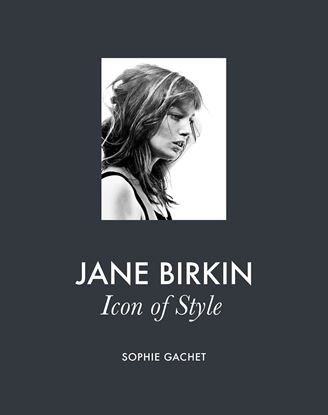
JANE BIRKIN. ICON OF STYLE
More than a fashion muse―she was a cultural icon whose style defined an era, and her legacy continues to influence new generations.
Jane Birkin: Icon of Style pays tribute to her enduring impact and style with a curated collection of stunning photography, fashion illustrations, and intimate portraits. This first of its kind visual celebration traces her evolution from British ingénue to international style icon and showcases the lasting imprint she left on the fashion world.
Whether you're a longtime admirer or discovering her for the first time, this book is a heartfelt homage to Jane Birkin’s timeless elegance, making it a must-have for every fashion lover’s collection.
As the namesake of the legendary Hermès Birkin bag, she brought an unstudied elegance to everything she wore, making simplicity look sophisticated and effortlessly cool. Arriving on the scene in the '60s with her tousled hair, fringe, and basket bag in hand, Jane Birkin quickly captivated the worlds of music, film, and fashion with her bohemian charm and natural beauty.
4,500

5,500
AN AFFAIR WITH A HOUSE (COLLECTOR S EDI)
This lovely gift-ready edition presents the original book plus a new introduction and chapter detailing how the house and its rooms have changed over the years—all presented in a sumptuous package featuring a new cover design with a “cloth-wrapped” exterior, a debossed foil title, faux-leather spine, and a satin ribbon marker.
Bunny Williams is renowned for creating classic decor that evolves over time and with the way people live and entertain in their homes. She published An Affair with a House in 2005, and it helped launch her into the top ranks of the interior design profession, where she has stylishly remained ever since.
Williams has been involved in a passionate love affair with her New England manor house for nearly half a century. From the moment she glimpsed it—in a state of sad disrepair—she knew she wanted to bring it back to glorious life. This is the process she famously details in An Affair with House, tracing her home’s evolution and her design philosophy.
5,500
2,995
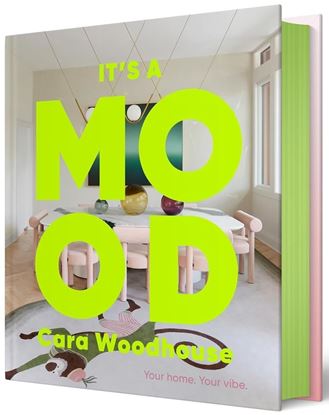
IT S A MOOD. YOUR HOME. YOUR VIBE.
It's a Mood helps readers get in touch with their own design instincts. Organized by mood, this book offers both inspiration and practical advice for incorporating the elements that we feel passionate about.
For interior designer Cara Woodhouse, interiors are experiences. Her approach goes beyond the visual, creating spaces that intuitively tap into our senses and invoke a mood that washes over all who enter. Her instinct for capturing a person’s spirit and translating it into a personal space is unmatched.
Woodhouse’s interiors balance pattern play, an emphasis on eye candy, moody maximalism, quirky accents, and anything fun and random. With special tips on controlling sound in a space, what type of stone works best and when, and how to deck out your home office, this book is for everyone who wants to curate an authentic, original aesthetic perfectly tailored to their own preferences, while accentuating the beauty of each room.
2,995
2,500
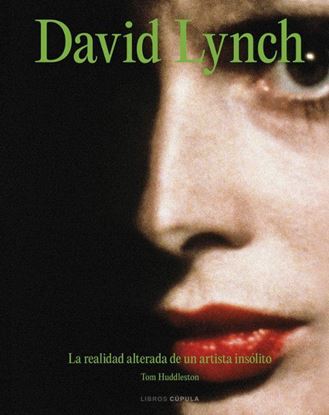
DAVID LYNCH
El universo cinematográfico de uno de los directores de cine más aclamados de la historia, recientemente fallecido.
Un recorrido completo y sin precedentes sobre la obra y la vida de uno de los creadores de culto más importantes de la historia.
Nuestro mundo no sería lo mismo sin David Lynch, seguramente
un lugar mucho menos especial e interesante. Como director, guionista, diseñador, músico, artista visual y artífice de las cosas más especiales,
su influencia prevalece en cada rincón de nuestra cultura. Junto a su icónica Twin Peaks, Lynch también creó obras de arte en la gran pantalla como su debut con Cabeza borradora y thrillers poco convencionales como Terciopelo azul, Carretera perdida y Mulholland Drive. Pero Lynch también ha sido una figura de culto en otros ámbitos, firmando álbumes con su nombre, encabezando exposiciones de arte, exhibiciones fotográficas y shows de moda desde Los Ángeles hasta Milán, compartiendo su filosofía espiritual y su amor por la meditación trascendental alrededor de todo el mundo. Esta obra cubre todos los aspectos del complejo e iridescente mundo de Lynch, a la vez que explora sus influencias para explicar, sin dejar lugar a dudas, cómo trabajaba, creaba, pensaba y vivía su arte.
2,500
950
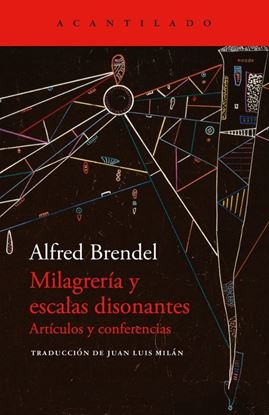
MILAGRERIA Y ESCALAS DISONANTES
La expresividad y la sensibilidad únicas de Alfred Brendel al piano parecen trasladarse a las páginas del presente libro, en que el gran intérprete ofrece una visión crítica de la práctica pianística, especialmente de algunas composiciones de Beethoven y Schubert, así como un iluminador repaso de sus grabaciones. Siguiendo el hilo invisible que une música, palabras e imágenes, Brendel, lector voraz y de una curiosidad inagotable, pone además la mirada en el cine, y nos ofrece lúcidas observaciones sobre el séptimo arte que revelan su comprensión del mundo y su conocimiento de sí mismo.
950
2,995
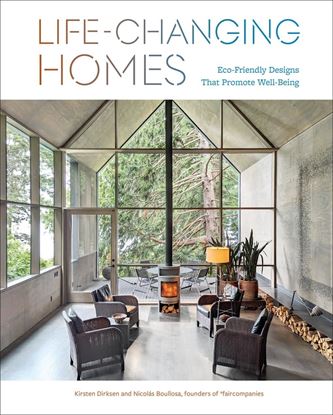
LIFE-CHANGING HOMES
For most people, the search for a home involves setting a budget, finding a place, then filling rooms with stuff. But Kirsten Dirksen and Nicolás Boullosa believe the search for a home is a search for meaning, and that the right dwelling can set the direction for one’s life.
Fifteen years ago, armed with a camera and limitless curiosity, they set out across the globe to prove their theory and to challenge traditional assumptions about what makes a home.
Now that the past few years have completely altered the way we live and work, most of us are asking the same questions and seeking homes that reflect our lifestyles and values.
The dozens of spaces featured in Life-Changing Homes urge readers to think differently about their own lives and what might be possible, and the gorgeous photography and thought-provoking writing share the inspiring stories of those who have made the change.
2,995
1,100
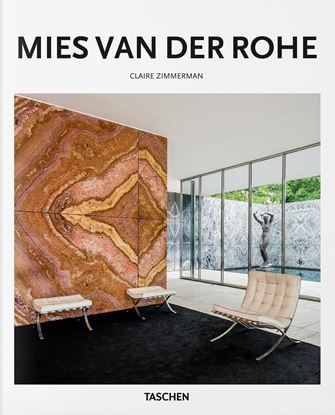
MIES VAN DER ROHE- BASIC ART
Famed for his motto “less is more,” Ludwig Mies van der Rohe (1886–1969) was one of the founding fathers of modern architecture and a hotly-debated tastemaker of twentieth-century aesthetics and urban experience.Mies van der Rohe’s philosophy was one of underlying truth in pure forms and proportions. With the help of contemporary technological and material developments, he sought a stripped-down purity to architecture, showcased by the likes of the Seagram Building and Farnsworth House. Some spoke out against this stark approach as the precursor to bland, generic cityscapes. Others cite Mies van der Rohe as the ultimate master of an abidingly elegant essence.This book presents more than 20 of Mies van der Rohe’s projects from the period 1906–1967 to introduce his groundbreaking practise and influence in both America and Europe.
1,100
1,250
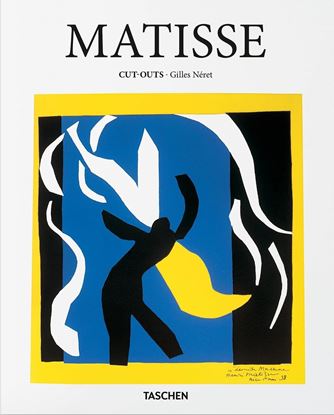
MATISSE. CUT-OUTS
Henri Matisse (1869–1954) was a fighting spirit. Despite a cancer diagnosis in 1941, increasing frailty, and the confines of a wheelchair, the indomitable Frenchman never stopped in his quest to make art. With what he called une seconde vie, a second life, he embarked on a remarkable collage period, cutting and pasting pieces of colored paper into gouaches découpées of birds, plants, flowers, and the female form.Emphasizing color and contrast, the cut-out technique generated both striking lines and vivid juxtapositions. In works such as Icarus (1943), The Blue Nude (1952), The Snail (1953), and The Sheaf (1953), clean forms and elemental structures power a compositional force that belies the work’s decorative appeal, at once tightly organized and infectious with joie de vivre. As his work progressed, Matisse’s excitement with his results fueled ever-larger pieces, advancing from small works to vast wall-sized murals.As his final years approached, Matisse reveled in the simplicity and brilliance of these pieces, avowing, “Only what I created after the illness constitutes my real self: free, liberated…” In this essential introductory book, we revisit this joyful final chapter of Matisse’s long and prodigious career, examining how the cut-outs encapsulated the artist’s many years exploring the possibilities of composition, form, and color.
1,250