1,450
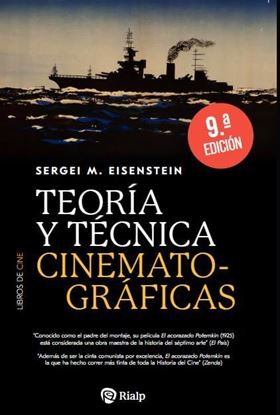
TEORIA Y TECNICA CINEMATOGRAFICA
«En una fotografía que se hizo Eisenstein durante su estancia en Hollywood, en el marco de un colosal decorado barroco, aparece rodeado de cuatro grandes libros abiertos. Poco después de 1931 escribió sobre la fotografía, encima de cada uno de esos libros: pathos, éxtasis, movimiento expresivo del hombre y dramaturgia de la forma cinematográfica, y tituló el conjunto, a modo de epígrafe general de esa fotografía: Sobre lo que trabajo. La imagen tiene vagas resonancias neotestamentarias, como si aquellos libros fueran sus cuatro evangelios, y las cuatro inscripciones su credo artístico» (Juan José García-Noblejas). Con una escasa filmografía ocho películas y un magisterio incuestionable, plasmado en miles de páginas de toda suerte de publicaciones, Eisenstein ocupa un sitio de privilegio en la historia del cine mundial. Teoría y técnica cinematográficas constituye ya un clásico, imprescindible para los que, por profesión o por afición, se relacionan con el cine.
1,450
2,200
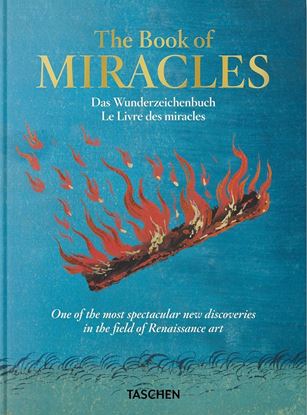
THE BOOK OF MIRACLES. 45TH ED. (INT)
The Book of Miracles first surfaced several ago and is one of the most spectacular discoveries in the field of Renaissance art. The near-complete illustrated manuscript, created in Augsburg around 1550, is composed of 169 pages of large-format illustrations in gouache and watercolor, depicting wondrous and often eerie phenomena.
The mesmerizing images deal with both biblical and folkloric tales, depicting stories from the Old Testament and Book of Revelation as well as events that took place in the immediate present of the manuscript’s author. From shooting stars to swarms of locusts, terrifying monsters to fatal floods, page after page hypnotizes with visions alternately dreadful, spectacular, and even apocalyptic.
2,200
1,650
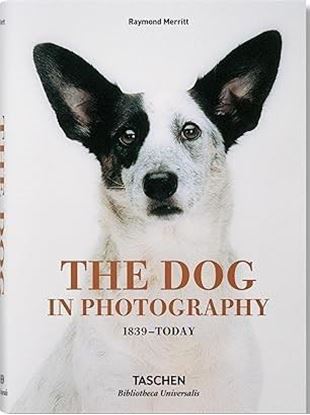
THE DOG IN PHOTOG. 1839–TODAY (BU) (INT)
In celebration of the world’s favorite animal, we bring you over 400 photographs of or about dogs. With pictures from the 19th century to today, the collection includes works by Man Ray, Eric Fischl, Wolfgang Tillmans, Donna Ruskin, Fatima NeJame, Vincent Versace, and of course Elliott Erwitt and William Wegman. Together, their pictures, unique in style but united in canine affection, are testimony if ever there was one that dogs are not only best friends, but also pure photographic inspiration.
1,650
1,850
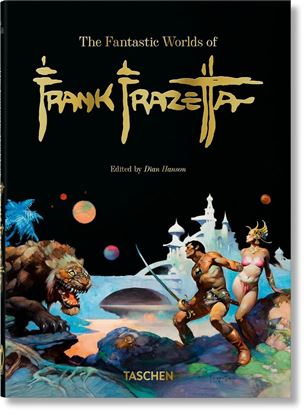
THE FANTASTIC WORLDS OF. F.F. (45) (INT)
Frank Frazetta has reigned as the undisputed king of fantasy art for 50 years, his fame only growing in the years since his death. With his paintings now breaking auction records (Egyptian Queen sold for $ 5.4 million in 2019) he’s long overdue for this ultimate monograph.Born to a Sicilian immigrant family in Brooklyn, 1928, Frazetta was a minor league athlete, petty criminal and serial seducer with movie star looks and phenomenal talent. He claimed to only make art when there was nothing better to do – he preferred playing baseball - yet began his professional career in comics at age 16. Strip work led him to the infamous EC Comics, then to oils for Tarzan and Conan pulp covers. Both characters were interpreted by many before him, but as he explained in the 1970s, “I’m very physical minded. In Brooklyn, I knew Conan, I knew guys just like him,” and he used this first-hand knowledge of muscle and macho to redefine fantasy heroes as more massive, more menacing, more testosterone-fueled than anything seen before. As counterbalance he created a new breed of women, nude as censorship allowed, with pixie faces and multiparous bodies: thick thighed, heavy buttocked, breasts cantilevered out to there, yet still, with their soft bellies and hints of cellulite, believably real. Add in the action, the creatures, the twilit worlds of haunting shadow and Frazetta’s art is addictive as potato chips.
1,850
1,995
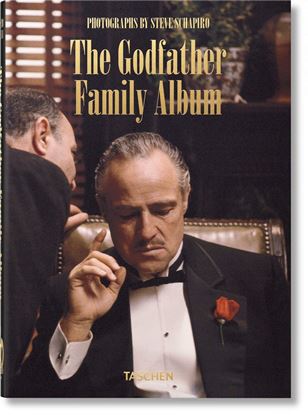
THE GODFATHER FAMILY ALBUM (45TH) (GB)
"Es peligroso ser un hombre honesto".
—Michael Corleone, El Padrino IIIComo fotógrafo especial en los platós y los exteriores de la trilogía El Padrino de Francis Ford Coppola, Steve Schapiro tuvo la oportunidad excepcional de presenciar el trabajo de actores legendarios en algunas de sus interpretaciones más memorables. Schapiro inmortalizó a Marlon Brando, Al Pacino, Robert De Niro, James Caan, Robert Duvall y Diane Keaton en fotos que desde entonces se han convertido en imágenes emblemáticas, reconocibles al instante e imitadas hasta la saciedad. Reunidas por primera vez en este libro están las mejores fotografías de Schapiro de las tres películas de El Padrino, cuidadosamente reproducidas a partir de los negativos originales. Con ensayos y entrevistas que cubren la trilogía en su integridad, este libro contiene más de 300 imágenes a color y en blanco y negro.
Las imágenes de Schapiro nos llevan tras las escenas de esta epica e inimitable saga cinematográfica, revelando el proceso de trabajo del director, captando las atmósferas y las personalidades involucradas y proporcionando interioridades de cómo se hacía la historia del cine.
1,995
3,350
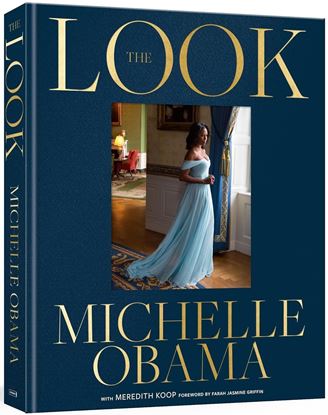
THE LOOK
In this celebration of style, from the moment she entered the public eye during her husband’s U.S. Senate campaign through her time as the first Black First Lady and today as one of this country’s most influential figures, Michelle Obama shares how she uses the beauty and intrigue of fashion to draw attention to her message.
Featuring the voices of Meredith Koop, Obama’s trusted stylist, as well as her makeup artist Carl Ray, hairstylists Yene Damtew, Johnny Wright, and Njeri Radway, and many of the designers who have dressed Obama for notable events, The Look brings readers behind the scenes not only to reveal how her most memorable looks came together but also to tell a powerful story about how we present ourselves.
Obama’s intimate and candid stories illuminate how her approach to dressing has evolved throughout her life—from the colorful sheath dresses, cardigans, and brooches she wore during her time as First Lady to the bold suits, denim, and braids of her post-White House life and all the active looks and beautiful gowns in between.
3,350