4,200
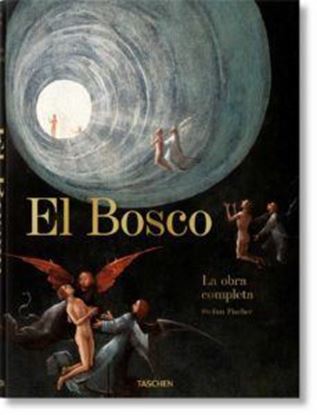
EL BOSCO. LA OBRA COMPLETA (FP) (E)
Un pájaro monstruoso que devora a los pecadores, cuerpos desnudos contorsionándose en posturas tántricas, un par de orejas blandiendo la hoja de un cuchillo: con tan solo 20 pinturas y 9 dibujos a su nombre, el visionario holandés Hieronymus Bosch (aprox. 1450-1516) se ha asegurado su lugar como pilar en la historia del arte. A día de hoy, el pintor por excelencia del infierno y sus demonios continúa sorprendiendo y cautivando a expertos en pintura, artistas, diseñadores y músicos por igual.
Esta monografía a gran escala, basada en la exitosa edición XXL para la que TASCHEN encargó nuevas y exclusivas fotografías de detalles y de las obras recientemente restauradas, presenta la obra completa del Bosco. Los textos de Stefan Fischer, historiador del arte y experto en su obra, analizan los numerosos elementos cautivadores que pueblan cada escena, desde los seres híbridos mitad hombre y mitad animal hasta el uso pictórico de refranes y modismos propio del artista. Este libro, que ofrece una exhaustiva panorámica de su inaprensible obra, revela por qué el Bosco y su pintura han sido inmensamente influyentes.Incluye:
Reproducciones impecables a toda página que ensalzan el asombroso potencial compositivo del artista
Detalles ampliados que desvelan las escenas más intrincadas e inquietantes, así como los pormenores técnicos más insospechados, desde las pinceladas sutiles al grano del lienzo
Un desplegable del legendario El juicio final
Un capítulo especial centrado en la obra más célebre del Bosco, el hipnotizante tríptico de El jardín de las delicias
4,200
995
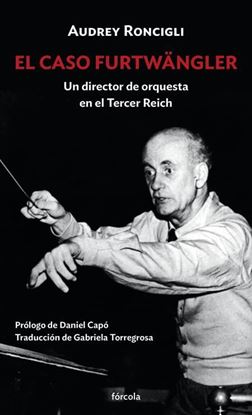
EL CASO FURTWANGLER (OF2)
Wilhelm Furtwängler (1886-1954) fue el representante más eminente de la gran «tradición alemana». Considerado, junto con Karajan, Bernstein o Carlos Kleiber, uno de los más legendarios directores de orquesta del siglo XX, por sus interpretaciones -donde algunos creen traslucir cierta noción de verdad-, Furtwängler fue y será siempre, para muchos, una especie de oráculo. La valía de su legado es más que evidente y sus grabaciones continúan siendo una referencia. Pero la clave de su permanencia en el inconsciente colectivo trasciende lo estrictamente musical. Para la política cultural nazi, la música jugó un papel de suma relevancia, destinada a cimentar la superioridad del pueblo alemán, su grandeza y eternidad, lo que llevó a apropiarse de los grandes clásicos alemanes y austríacos bajo la denominación ideológica de «música alemana». Sin la participación de los músicos coetáneos, dicha política cultural del Reich no hubiese sido posible.
995
1,600
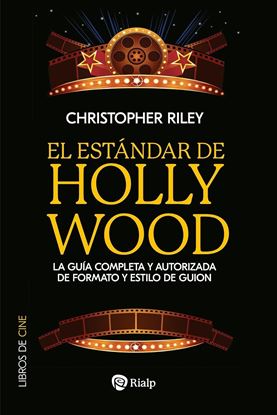
EL ESTANDAR DE HOLLYWOOD
Pensado para que el guionista lo tenga siempre a mano, El estándar de Hollywood proporciona mucho más que el mejor software de guiones: instrucciones claras y cientos de ejemplos para resolver todo interrogante sobre el formato: cuándo es apropiado un nuevo encabezamiento de plano y cuándo no; cómo dar formato a los encabezamientos de plano, diálogos, indicaciones de dirección y transiciones; cómo controlar el ritmo con el formato; cómo hacer que una página de guion resulte visualmente atractiva para el lector; qué poner en mayúsculas y por qué; cómo entrar y salir de una toma PDV; cómo manejar los mensajes de texto y las reuniones Zoom; cómo los guionistas más innovadores de Hollywood están ampliando los límites del formato; cómo el formato para animación difiere de los formatos de acción real... En pocas palabras, Riley sabe más que nadie en Hollywood sobre el formato de guiones y lo comparte todo en esta guía indispensable.
1,600
500
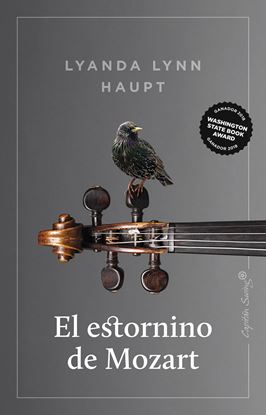
EL ESTORNINO DE MOZART (OF2)
El 27 de mayo de 1784, Wolfgang Amadeus Mozart se encontró en una tienda vienesa con un coqueto estornino que cantó una versión improvisada del tema de su Concierto para piano n.º 17 en sol mayor. Al percibir un espíritu afín en el joven pájaro, lo compró y se lo llevó a casa como mascota. Durante tres años, el estornino vivió con Mozart, influyendo en su obra y sirviéndole de compañero, distracción, consuelo y musa. Dos siglos después, los estorninos son vilipendiados incluso por los conservacionistas más compasivos. Como especie invasora no autóctona, invaden hábitats sensibles, compiten con las aves locales por los lugares de anidación y el alimento, y diezman los cultivos. La ornitóloga y naturalista Lyanda Lynn Haupt conoce bien las tensas relaciones de estas aves con otras especies y el medio ambiente. Pero, tras rescatar a una cría de estornino, quedó encantada con esa inteligencia y el espíritu juguetón que habían maravillado a su compositor favorito. Haupt explora el improbable y extraordinario vínculo entre uno de los compositores más apreciados de la historia y uno de los pájaros más comunes de la Tierra. Las historias entrelazadas de la mascota de Mozart y del estornino de Haupt ofrecen una insólita mirada a la amistad entre humanos y animales, al mundo secreto de los estorninos y a la naturaleza de la inspiración creativa.
500
1,995

3,995
EL LIBRO DE LAS SOMBRAS
Una selección inédita de más de trescientas pinturas, dibujos y grabados de espectros, demonios, hadas y brujas.
Un periplo mágico e inquietante al mundo de las sombras, de la mano de 150 maestros.
Una bella y sobrecogedora selección inédita de pinturas, dibujos y grabados del Romanticismo, el academicismo, el simbolismo y el prerrafaelismo, con la colaboración de expertos en historia de la magia, el espiritismo y la demonología.
3,995