

4,995
4,995
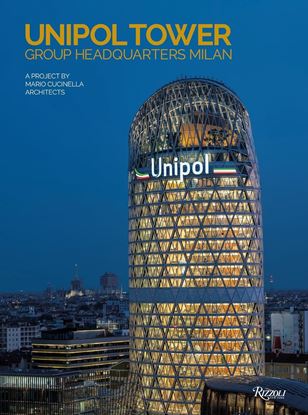
UNIPOL TOWER. GROUP HEADQUARTERS MILAN
A new tower stands out against the city skyline: the Unipol Tower designed by Mario Cucinella Architects, an internationally renowned architecture studio based in Milan and Bologna. The Unipol Tower is a 124-meter elliptical tower in the Porta Nuova area, in the heart of the city. Made from glass and steel, it has a glasshouse on the rooftop serving as a cultural venue. Commissioned by Unipol, the leading Italian insurance company, the tower looks beyond the corporate identity and headquarters of Unipol and has been acclaimed as one of the most advanced architecture projects ever created.
4,995
1,350
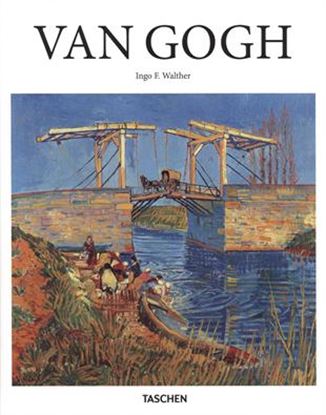
VAN GOGH (BA-ART)
Arte atormentado
El talento y la angustia de un maestro postimpresionista
Las obras de Vincent van Gogh (1853-1890) se cuentan entre las más conocidas y alabadas del mundo. En lienzos como Los girasoles, La noche estrellada, Autorretrato con la oreja vendada y en muchos otros cuadros y dibujos llegamos a identificar a un artista con un don único para retratar estados de ánimo y situaciones gracias a su maestría en el uso de las pinturas, los lápices, los carboncillos y las tizas. Repleta de ilustraciones, esta introducción al mundo de Vincent van Gogh sigue el rastro artístico de su vida, desde las primeras pinturas de campesinos y trabajadores rurales, pasando por las obras de su luminoso periodo parisiense, hasta llegar al febril estallido de su creatividad durante su estancia en el sur de Francia, en sus últimos dos años y medio de existencia.
1,350
1,350
VAN GOGH (BA-ART) (GB)
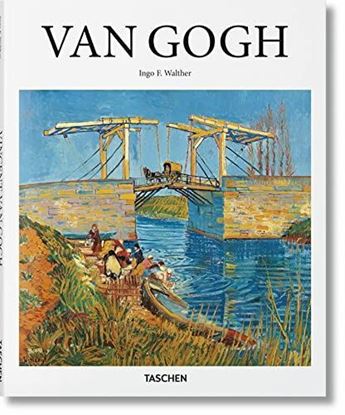
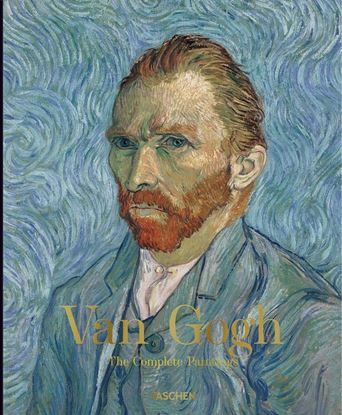
Today, the works of Vincent van Gogh (1853–1890) are among the most well known and celebrated in the world. In Sunflowers, The Starry Night, Self-Portrait with Bandaged Ear, and many paintings and drawings beyond, we recognize an artist uniquely dexterous in the portrayal of mood and place through paint, pencil, charcoal, or chalk.
Yet as he was deploying the lurid colors, emphatic brushwork, and contoured forms that would subsequently make his name, van Gogh battled not only the disinterest of his contemporary audience but also devastating bouts of mental illness. His episodes of depression and anxiety would eventually claim his life, when, in 1890, he committed suicide shortly after his 37th birthday.
This richly illustrated introduction follows Vincent van Gogh’s story from his earliest pictures of peasants and rural workers, through his bright Parisian period, to his final, feverish burst of creative energy in the South of France during the last two and a half years of his life.
1,350
4,200
2,995
VAUX-LE-VICOMTE
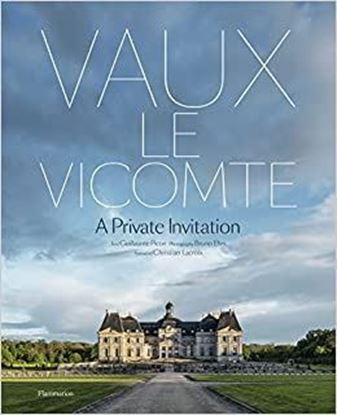
This comprehensive monograph is an exclusive look inside the château that inspired the design of Versailles and today continues to enchant visitors and film directors alike.
Vaux-le-Vicomte’s rich history began in 1641 when infamous French finance minister Nicolas Fouquet, the original owner, surrounded himself with the most skilled and talented artisans of the time: the architect Louis Le Vau, the painter Charles Le Brun, and the garden designer André Le Nôtre, to create a perfect harmony between architecture and landscape. The Château de Vaux-le-Vicomte and its spectacular gardens fascinated Louis XIV and were the inspiration for Versailles. Classified as a historical monument since 1875 under the impetus of the owner at the time, the castle of Vaux-le-Vicomte quickly became a model of the artistic genius of the seventeenth century.
This volume traces the château’s history from the seventeenth century through the Belle Époque, World War I, and its public opening in 1968. Exclusive photography and archival documents offer unprecedented access to the château, furnishings, and gardens, and illuminate the extraordinary secrets of court life and centuries of celebrations that include the enchanting candlelit tours held today.
2,995