


3,995
EL LIBRO DE LAS SOMBRAS
Una selección inédita de más de trescientas pinturas, dibujos y grabados de espectros, demonios, hadas y brujas.
Un periplo mágico e inquietante al mundo de las sombras, de la mano de 150 maestros.
Una bella y sobrecogedora selección inédita de pinturas, dibujos y grabados del Romanticismo, el academicismo, el simbolismo y el prerrafaelismo, con la colaboración de expertos en historia de la magia, el espiritismo y la demonología.
3,995

2,500
EL LIBRO DEL DISEÑO
Una visión fascinante de los movimientos del diseño, que muestra cómo comenzó cada uno y describe su filosofía y estilo visual. El diseño está presente en todo lo que hacemos y fabricamos. Ha dado forma a nuestro mundo desde tiempos inmemorialesy sigue haciéndolo. El diseño es algo complejo: se cruza con el arte,la arquitectura, la publicidad y la artesanía, pero conserva su propiaintegridad. Es, en esencia, lo que da forma y encanto a los objetos funcionalesy un tono a la forma en que nos expresamos como individuos o empresas.
2,500

995
EL TIGRE Y LA GUITARRA
El tigre y la guitarra es la historia de Yoichiro Yamada, un japonés que vino a España para ser guitarrista flamenco y jamás regresó a su país. Terminó abducido por dos mundos idílicos y en principio opuestos: el del flamenco que amaba y el de los samuráis de los que era descendiente. En su deriva no supo encontrar la salida a su propio laberinto. «¡Vuelve a casa!», le pedían sus amigos. Pero se negaba: no podía regresar porque no se había convertido en el guitarrista que soñó. El tigre y la guitarra nos habla del choque de universos paralelos, de pasiones y de obsesiones, pero también de hasta dónde nos arrastran nuestros pensamientos, del fracaso y de cómo los sueños que perseguimos pueden acabar persiguiéndonos.
995
1,995
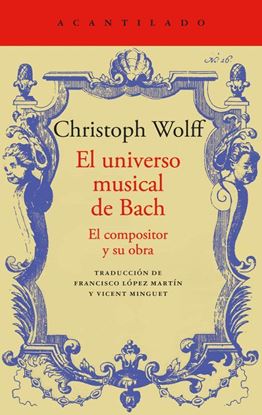
EL UNIVERSO MUSICAL DE BACH
Bach fue un compositor prolífico cuyas piezas, que se esmeró en clasificar en diversas colecciones, forman un grandioso cosmos en el que todas sus inagotables ideas musicales encuentran su lugar. En este ensayo fundamental, Wolff ahonda en el análisis de su rica colección musical, que transciende las fronteras habituales entre épocas, géneros e instrumentos. Partiendo de una notable selección de piezas desde la temprana colección de las Seis tocatas para clave hasta obras tardías como El arte de la fuga y la Misa en si menor analiza en detalle el método compositivo de Bach atendiendo a la gran variedad de géneros instrumentales y vocales que abarca, ilustrativa de la profundidad y riqueza de su obra. Al rastrear la evolución del compositor, Wolff saca a la luz las aspiraciones y el legado de este gigante de la música de un modo innovador, desvelando la esencia de su arte a neófitos y expertos por igual.
1,995
2,200
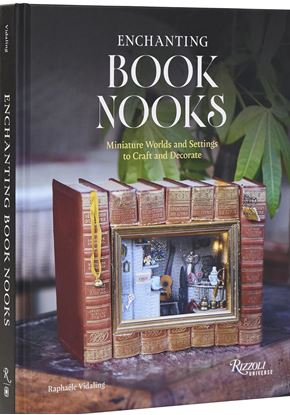
ENCHANTING BOOK NOOKS
Book nooks—miniature dioramas of charming spaces designed for display as a bookshelf insert or as a bookend for a book collection—have taken social media by storm. They have been widely embraced with great enthusiasm in the world of crafting and creative hobbies as they blend a love of coziness, a celebration of storytelling, and an interest in decor.
Fun to make and to collect, these miniature worlds are endearing and contemplative, drawing inspiration from scale modeling to create imagined universes, settings, and characters inspired by daily life, nature, favorite books, or movies. This volume blends how-to advice with inspirational imagery showcasing twenty approachable, easy-to-do, small-scale projects full of charm and enchantment.
2,200
1,995
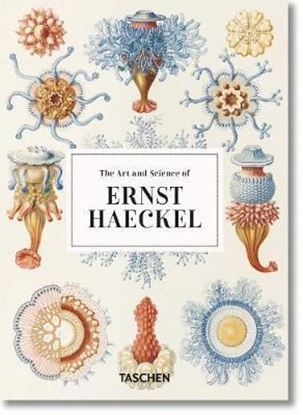
ERNST HAECKEL (45TH) (GB)
Ernst Haeckel (1834-1919) fue un biólogo, naturalista, evolucionista, artista, filósofo y doctor alemán, que dedicó su vida a la investigación de la flora y la fauna tanto de las cimas de las montañas más altas como de los océanos más profundos. Como ferviente partidario y estudioso de las teorías de la evolución de Darwin, denunció el dogma religioso, escribió tratados filosóficos, obtuvo un doctorado en zoología y acuñó términos científicos, ahora de uso común, como ecología, filo y célula madre.
El inmenso legado de Haeckel ha fascinado, desconcertado y polarizado a varias generaciones. Pero ¿cuál era la esencia de la extraordinaria labor de su vida? Al igual que su predecesor intelectual, Alexander von Humboldt, Haeckel no sólo buscaba descubrimientos nuevos sino también explicaciones.
1,995