

1,250
938
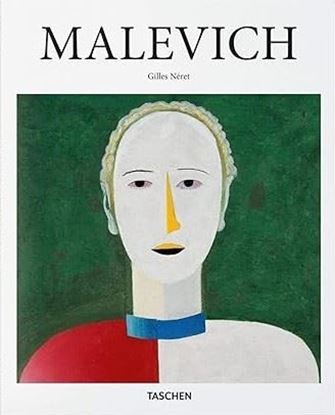
MALEVICH (BA-ART) (GB)
After flirtations with Realism, Impressionism, and Symbolism, Kiev-born Kazimir Malevich (18781935) found his métier in dissolving literal, representational figures and landscapes into pure emotionally-charged abstraction. In 1915, he created what is widely lauded as the first and ultimate abstract artwork: Black Square, a black rectangle on a white background, hailed as the zero point of painting, a seminal moment for modern and abstract practice.
1,250
938
1,250
938
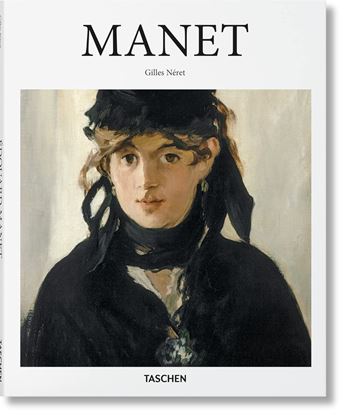
MANET (BASIC ART EDITION) (INT)
Lampooned during his lifetime for his style as much as his subject matter, French painter Édouard Manet (1832–1883) is now considered a crucial figure in the history of art, bridging the transition from Realism to Impressionism.
Manet’s work combined a painterly technique with strikingly modern images of contemporary life, centered on the urban Paris experience. He recorded the city’s parks, bars, and cabarets, often delighting in the frisson of underground or provocative content. The Paris salon rejected his Déjeuner sur l’herbe with its juxtaposition of fully dressed men and a nude woman, while the steady gaze and unabashed pose of the prostitute Olympia, a very modern reworking of Titian’s Venus of Urbino, caused a society scandal.
1,250
938

1,995
1,496
MANUAL PRACTICO DE ARMONIA DEL COLOR
Manual de referencia para artistas y diseñadores, esta nueva edición de este clásico sobre combinación cromática revisa todas las bases de la teoría del color y se actualiza con nuevos colores, paletas y herramientas que te permitirán ganar seguridad en tus elecciones cromáticas.
Contenidos principales
El círculo cromático
Cómo usar el color
La carta de colores
El proceso
Aspectos del color
Combinaciones cromáticas
¿Cuál es tu color?
Efectos especiales para colores
Estados de ánimo y color
Psicología del color
Tendencias cromáticas
Tabla de conversión de cuatricromía
Muestras de color
1,995
1,496
3,600
2,700
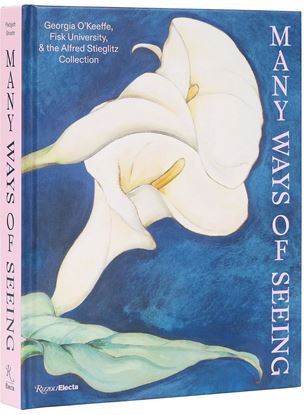
MANY WAYS OF SEEING.
Gifted in 1949 by Georgia O’Keeffe to Fisk University, a historically Black university in Nashville, the Alfred Stieglitz Collection includes 101 works from the estate of Alfred Stieglitz, O’Keeffe’s late husband. Part of his collection arriving at Fisk has long been a source of fascination in the field of American art, but this is the first publication to recount and analyze this complex and extraordinary history. The reverberations of the gift go far beyond O’Keeffe and Stieglitz, involving decades of students and faculty at Fisk, such as preeminent artists Aaron Douglas and David C. Driskell.
3,600
2,700
1,995
1,496
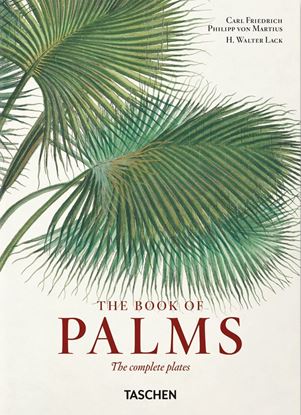
MARTIUS. EL LIBRO DE LAS P. (45TH) (IEP)
El 15 de diciembre de 1868, Carl Friedrich Philipp von Martius (1794-1868), profesor de botánica en la Universidad de Múnich y director del Royal Botanic Garden, fue llevado a la tumba en un ataúd cubierto de hojas de palmera recién cortadas. Las frondas eran un guiño a Historia natural de las palmeras: una obra en tres volúmenes, una obra excepcional que publicó entre 1823 y 1853.
Este tesoro enciclopédico formado por 240 ilustraciones cromolitográficas exquisitas se inspiró en las expediciones de Martius por Brasil y Perú. Entre 1817 y 1820 recorrió, junto al zoólogo Johann Baptist von Spix, más de 2.250 kilómetros por la cuenca amazónica para investigar la historia natural y las tribus nativas.
1,995
1,496
1,850
1,388
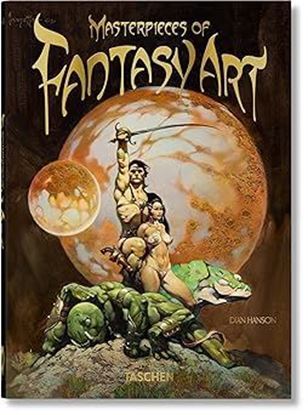
MASTERPIECES OF FANTASY ART. (40TH ED.)
Fantasy art, that colorful blend of myth, muscle and sexy maidens, took off in 1923 with the launch of Weird Tales magazine, was reinvigorated in the 1960s with The Lord of the Rings, Conan the Barbarian paperbacks with Frank Frazetta covers, and the late ’60s emergence of fantasy psychedelia. It went big in the ’70s with the role-playing game Dungeons & Dragons, the brilliant French magazine Métal Hurlant, and the first Star Wars film. The number of active artists peaked in that decade, but a new generation of fans discovered the genre through fantasy trading card games in the ’90s, leading to a massive interest in the art form today.
1,850
1,388