


999
500
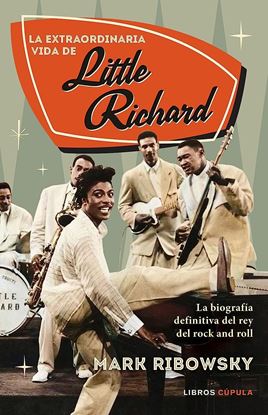
LA GRAN VIDA DE LITTLE RICHARD (OF2)
Little Richard abrió el camino para generaciones de músicos: los Beatles, James Brown, los Everly Brothers, Jimi Hendrix, los Rolling Stones, Elton John, Prince…La lista es interminable. Él era «el Origen», «el Innovador» y el autoproclamado «Rey y Reina del rock and roll». Cuando falleció el 9 de mayo de 2020, La gran vida de Little Richard, que estaba casi terminado, se actualizó inmediatamente para cubrir la respuesta internacional a su muerte. Esta es pues la gran biografía de Richard Wayne Penniman de Macon (Georgia, Estados Unidos), quien fue, hasta su fallecimiento, el último dios vivo del rock, el gran Little Richard.
Mark Ribowsky, aclamado biógrafo de íconos musicales, explora la maestría musical de Little Richard, su vida familiar, su lucha contra el racismo, sus relaciones con otros personajes famosos de la época y con los medios de comunicación, y su eterno conflicto interior entre su religión y su sexualidad.
500
2,500
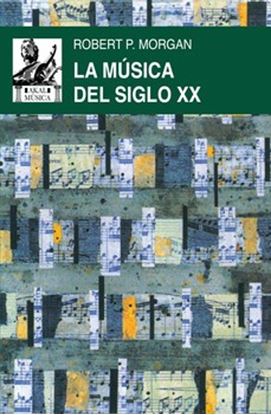
LA MUSICA EN EL SIGLO XX
En el campo de la creación musical, el siglo xx, tan poliédrico y fascinante como otros ámbitos de la creación artística, suele ser objeto, sin embargo, de incomprensión y menosprecio, al reducir toda la creación musical a sus corrientes más radicales. El presente libro, obra de referencia en la materia, desmonta esta visión reduccionista. Desde figuras de la talla de Mahler, Richard Strauss y Bartók, hasta la música electrónica, pasando por corrientes como el serialismo, el minimalismo o el pluralismo, pone de manifiesto un panorama de gran variedad y en un continuo proceso de investigación.
2,500
1,600
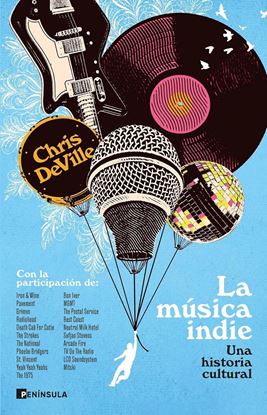
LA MUSICA INDIE. UNA HISTORIA CULTURAL
Fuera cual fuera tu puerta de entrada al indie rock, una vez dentro, escuchar esa música era como formar parte de un club secreto. En este libro, el periodista cultural Chris DeVille reconstruye la edad dorada del género, desde los primeros años dos mil hasta la década de 2010, antes de que el streaming cambiase la música para siempre.
De la mano de bandas como Arcade Fire, Radiohead o The 1975, DeVille viaja al pasado para rememorar momentos decisivos de la cultura pop que hicieron posible el auge del indie: los blogs musicales, las descargas en MP3 o la irrupción de series como The O.C. El resultado es un ensayo cultural que transciende a discos y bandas, que se pregunta cómo lo alternativo dejó de ser minoritario, quién decide lo que es cool y cómo una escena supuestamente underground dio forma a nuestras vidas.
1,600
1,350
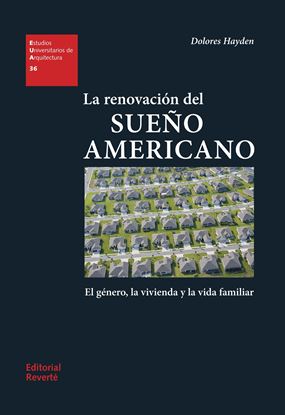
LA RENOVACION DEL SUEÑO AMERICANO
Este libro se publicó originalmente en 1984, con una segunda edición, revisada y ampliada, en 2002, que es la que se presenta aquí en versión española.
Dolores Hayden aborda el mito del 'sueño americano' y estudia unos modelos más satisfactorios de vivienda, trabajo y vida familiar en los Estados Unidos, así como en otros países donde el trabajo remunerado de las mujeres ha creado tensiones similares.
Primero se hace un recorrido por la historia de los tipos de viviendas desde la época colonial, con especial atención a la casa unifamiliar suburbana, y se analizan los retos para esa 'casa de ensueño' planteados por ambientalistas, grupos de mujeres y defensores de los derechos humanos.
Luego se identifican las necesidades y los deseos más profundos asociados al ideal de hogar, y se describen tres modelos de vivienda: la 'estrategia del refugio', la 'estrategia industrial' y la 'estrategia del vecindario', de los que se analizan los puntos fuertes y débiles. Además de las experiencias estadounidenses, se incluyen ejemplos de China, Cuba, Dinamarca, Suecia y Rusia.
Por último, se examina la relación entre los proyectos de vivienda y el espacio público; se estudia en qué circunstancias y lugares la vivienda coincide con el desarrollo comunitario; se considera la rehabilitación del tejido de viviendas y barrios; y se incluyen muchos ejemplos de proyectos experimentales realizados por particulares, grupos pequeños y gobiernos locales y nacionales.
1,350
1,350
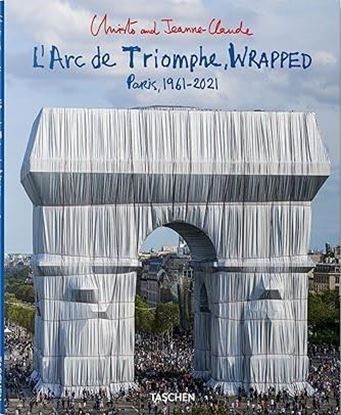
LARC DE TRIOMPHE, WRAPPED (VA) (INT)
1961, three years after meeting Jeanne-Claude in Paris, Christo made a study of a mammoth project that would wrap one of the city’s most emblematic monuments. 60 years, 25,000 square meters of recyclable fabric, and 3,000 meters of rope later, the artists' vision finally came true. Discover their posthumous installation with this book gathering photography, drawings, and a history of the project's making.
Like most of Christo and Jeanne-Claude's work, L'Arc de Triomphe, Wrapped is temporary and runs for 16 days from Saturday, September 18 to Sunday, October 3, 2021. Carried out in close collaboration with the Centre des Monuments Nationaux, the historic structure is wrapped in recyclable polypropylene fabric in silvery blue and recyclable red rope.
1,350