


950
ANILLOS Y MAZMORRAS
Quien mas quien menos se ha sentido atrapado en algun momento de su vida por alguna saga interminable repleta de señores oscuros, magos barbudos, espadas magicas, duendes, quimeras o elfos.El exito de dos nuevas superproducciones televisivas basadas en sagas literarias La casa del dragon, precuela de Juego de tronos, y Los anillos de poder, precuela de El señor de los anillos hacen de este un momento ideal para publicar un libro que de un repaso al genero narrativo que lleva un siglo arrasando.Historias apasionantes en las que el mal se enfrenta al bien encarnado en sus mas diferentes valores: la valentia, el honor o la honradez, aderezado siempre con un tono de epica. Y que el autor de este libro ha sintetizado con manos expertas y mucho conocimiento para hacer de ello un compendio de lo mas granado del mundo de la literatura, el cine, el comic o los videojuegos.Fantasia de leyenda: De Dragones y mazmorras a El ultimo unicornio.Un mundo de fantasia medieval de la mano de George R. R. Martin: Cancion de hielo y fuego.Fantasias para todos los gustos: De Willow a El priorato del naranjo.Fantasias camp: De Krull a La leyenda del buscador.Cronicas de la carcajada: de Mundodisco a Nimona.Una fantasia epica distinta: de la Saga de la Tumba Sellada a Step by Bloody Step.Videojuegos de fantasia: De World of Warcraft a Dragon Quest.
950

600
APRENDIZ DE PIANISTA
Clara y Dani, de visita al museo de la música, han hecho enfurecer al dios Pan, despertando así la magia del museo. Instrumentos que vuelan, personajes que aparecen desde los cuadros… todo se ha tornado en caos y desorden. Pan les ha retado a aprender a tocar el piano, conocer sus conceptos esenciales y descifrar una serie de sencillos códigos. Solo si superan las diferentes pruebas musicales detendrán la magia y todo volverá a la normalidad.
600
3,995
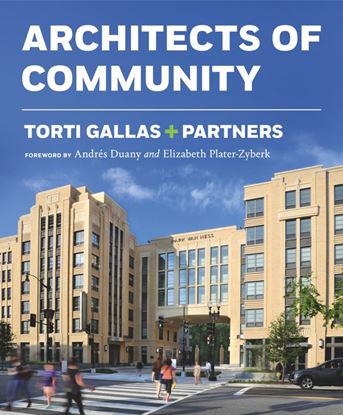
ARCHITECTS OF COMMUNITY
Passionate about designing buildings and neighborhoods that quietly transform the urban environment, Torti Gallas is committed to improving cities, towns, and distressed communities throughout the United States and around the world. This fully illustrated book shows how they have combined the disciplines of architecture, planning, and urban design into a single practice, creating housing and mixed-use buildings that bring catalytic change to urban neighborhoods: the mixed-use apartment buildings, rowhouses, and single-family homes that comprise the fabric of a city. Their work hearkens back to a tradition that, before World War II, created some of the country’s finest neighborhoods, including Forest Hill Gardens in Queens, Rittenhouse Square in Philadelphia, and Russian Hill in San Francisco. Featuring 60 built projects, this book shows how Torti Gallas is dedicated to raising the level of this architecture to a new high.
3,995
1,650
ARENDT SOBRE LA ARQUITECTURA
La filósofa Hannah Arendt es una pensadora fundamental para entender el devenir de la sociedad contemporánea y la relevancia de ''lo social'' en la arquitectura.
Esta publicación, articulada bajo la forma del ‘encuentro’, nos posiciona en el aprendizaje abierto y en la escucha atenta. Arendt nos aporta matices clave para la comprensión de conceptos arquitectónicos y sociales que podemos descubrir y verificar en ciertas actitudes de arquitectos y arquitecturas contemporáneas. A través de Constant Anton Nieuwenhuys, Rem Koolhaas, Cedric Price, Anne Lacaton y Jean-Philippe Vassal podemos interpretar ideas clave de la pensadora.
1,650
3,500
ARQUITECTURA ECOLOGICA. UN MANUAL
El libro propone un recorrido del exterior al interior: comienza por el emplazamiento y su entorno, sigue por las diversas envolventes del edificio y termina con el análisis de los aspectos ambientales de la iluminación, la calefacción y los sistemas de climatización. Un recorrido donde se exploran distintos temas transversales, como el ahorro de agua o materiales, la calidad ambiental interior o el uso de energías renovables. El conjunto ofrece una exploración completa y metódica de la arquitectura ecológica exponiendo los temas clave, un marco teórico básico y estrategias concretas para proyectar bajo el paradigma de la sostenibilidad.
Las ilustraciones que detallan estos principios y discusiones, realizadas por el maestro Francis D. K. Ching, conforman una magnífica guía visual para el proyecto y la construcción de edificios ecológicos, y hacen de este libro un manual único e ineludible en el ámbito de la arquitectura y la construcción sostenibles.
3,500
3,500
ARQUITECTURA ECOLOGICA. UN MANUAL ILUST.
Siguiendo la estela de algunos títulos ya clásicos de Francis D. K. Ching, como Manual de dibujo arquitectónico y Arquitectura. Forma, espacio y orden, este nuevo libro, escrito en colaboración con Ian M. Shapiro, expone en forma de manual básico ilustrado, práctico y accesible, las cuestiones fundamentales de la arquitectura ecológica y sostenible. El libro propone un recorrido del exterior al interior: comienza por el emplazamiento y su entorno, sigue por las diversas envolventes del edificio, y termina con el análisis de los aspectos ambientales de la iluminación, la calefacción o los sistemas de climatización. Un recorrido donde se exploran distintos temas transversales, como el ahorro de agua o materiales, la calidad ambiental interior o el uso de energías renovables. El conjunto ofrece una exploración completa y metódica de la arquitectura ecológica exponiendo los temas clave, un marco teórico básico y estrategias concretas para proyectar bajo el paradigma de la sostenibilidad. Las ilustraciones que detallan estos principios y discusiones, realizadas por el maestro Francis D. K. Ching, conforman una magnífica guía visual para el proyecto y la construcción de edificios ecológicos, y hacen de este libro un manual único que pronto será referencia ineludible en el ámbito de la arquitectura y la construcción sostenibles.
3,500