

700
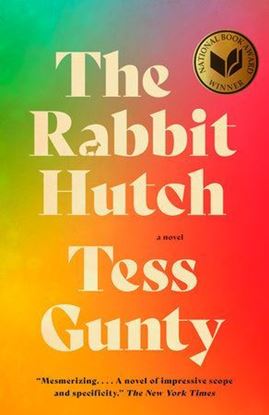
THE RABBIT HUTCH
The automobile industry has abandoned Vacca Vale, Indiana, leaving its residents behind, too. In a run-down apartment building on the edge of town, commonly known as the Rabbit Hutch, lives one of these people, a young girl named Blandine Watkins, who The Rabbit Hutch centers around. Hauntingly beautiful and unnervingly bright, Blandine lives alongside three teenage boys, all recently aged out of the state foster-care system, all of them madly in love with Blandine. Plagued by the structures, people, and places that not only failed her but actively harmed her, Blandine pays no mind to their affection. All she wants is an escape, a true bodily escape like the mystics describe in the books she reads.
700
700
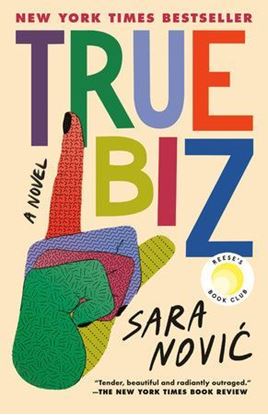
TRUE BIZ
True biz? The students at the River Valley School for the Deaf just want to hook up, pass their history finals, and have politicians, doctors, and their parents stop telling them what to do with their bodies. This revelatory novel plunges readers into the halls of a residential school for the deaf, where they’ll meet Charlie, a rebellious transfer student who’s never met another deaf person before; Austin, the school’s golden boy, whose world is rocked when his baby sister is born hearing; and February, the hearing headmistress, a CODA (child of deaf adult(s)) who is fighting to keep her school open and her marriage intact, but might not be able to do both. As a series of crises both personal and political threaten to unravel each of them, Charlie, Austin, and February find their lives inextricable from one another—and changed forever.
700
700
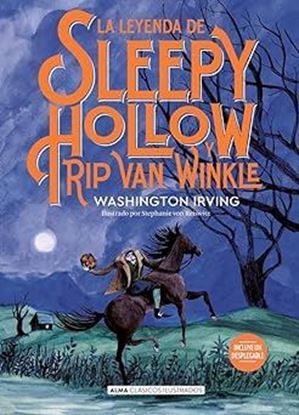
LA LEYENDA DE SLEEPY HOLLOW Y RIP VAN WI
Parejas de enamorados, jinetes sin cabeza y aldeanos que duermen siestas de décadas confluyen en un díptico que parece al mismo tiempo realismo mágico y terror costumbrista. En estos dos relatos, Sleepy Hollow, o La leyenda del jinete sin cabeza, y Rip van Winkle, se encuentra la simiente del llamado Gótico Americano, que convirtió a Washington Irving en el primer escritor de una literatura genuinamente estadounidense, porque toda nación recién creada necesita nuevas leyendas, nuevos mitos, nuevos símbolos; en resumen, unas señas de identidad propias.
700