

1,750
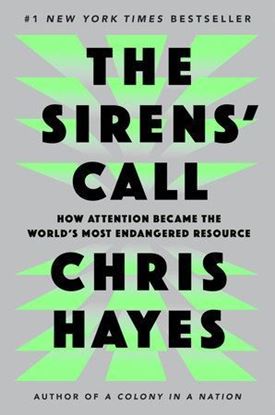
THE SIRENS' CALL
We all feel it—the distraction, the loss of focus, the addictive focus on the wrong things for too long. We bump into the zombies on their phones in the street, and sometimes they’re us. We stare in pity at the four people at the table in the restaurant, all on their phones, and then we feel the buzz in our pocket. Something has changed utterly: for most of human history, the boundary between public and private has been clear, at least in theory. Now, as Chris Hayes writes, “With the help of a few tech firms, we basically tore it down in about a decade.” Hayes argues that we are in the midst of an epoch-defining transition whose only parallel is what happened to labor in the nineteenth century: attention has become a commodified resource extracted from us, and from which we are increasingly alienated. The Sirens’ Call is the big-picture vision we urgently need to offer clarity and guidance.
1,750
1,750
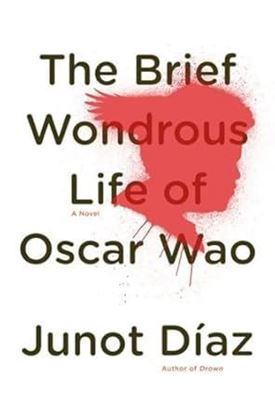
THE BRIEF WONDROUS LIFE OF OSCAR WAO(HC)
Oscar is a sweet but disastrously overweight ghetto nerd who—from the New Jersey home he shares with his old world mother and rebellious sister—dreams of becoming the Dominican J.R.R. Tolkien and, most of all, finding love. But Oscar may never get what he wants. Blame the fukú—a curse that has haunted Oscar’s family for generations, following them on their epic journey from Santo Domingo to the USA. Encapsulating Dominican-American history, The Brief Wondrous Life of Oscar Wao opens our eyes to an astonishing vision of the contemporary American experience and explores the endless human capacity to persevere—and risk it all—in the name of love.
1,750
1,750
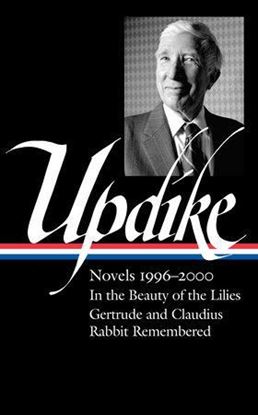
UPDIKE: NOVELS 1996–2000
The capstone volume of the Library of America edition of John Updike’s novels contains some of the master stylist and social observer’s most ambitious works.
In the Beauty of the Lilies (1996) opens in 1910, when Clarence Wilmot, a Presbyterian minister in Paterson, NJ, experiences a devastating loss of faith. This moment of crisis sets in motion an eighty-year, multigenerational saga whose subject is nothing less than the American Century and modernity itself, seen through the fluctuating fortunes of a single representative family.
In Gertrude and Claudius, Updike boldly imagines the long backstory to the world’s most famous play, prompting readers to revisit and perhaps revise their judgments about Hamlet’s notorious uncle and mother. Drawing on the twelfth- and fifteenth century sources for Hamlet, but also inventing a new history for Claudius in his far-flung travels across medieval Europe, Updike creates a vivid and surprising origin story for the fabled rottenness in Shakespeare’s Denmark.
1,750