


1,995
BEACH READ (SPECIAL EDITION)
Augustus Everett is an acclaimed author of literary fiction. January Andrews writes bestselling romance. When she pens a Happily Ever After, he kills off his entire cast.
They’re polar opposites.
In fact, the only thing they have in common is that for the next three months they’re living in neighboring beach houses, broke and bogged down with writer’s block.
Then one hazy evening, one thing leads to another and they strike a deal designed to force them out of their creative ruts: Augustus will spend the summer writing something happy, and January will pen the next Great American Novel. She’ll take him on field trips worthy of any rom-com montage, and he’ll take her to interview surviving members of a backwoods death cult (obviously). Everyone will finish a book and no one will fall in love. Really.
1,995
1,995
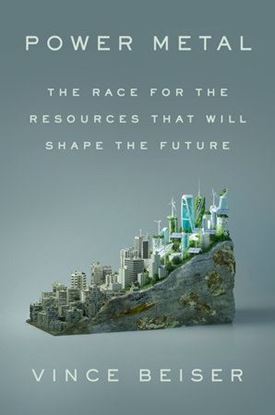
POWER METAL
An Australian millionaire’s plan to mine the ocean floor. Nigerian garbage pickers risking their lives to salvage e-waste. A Bill Gates-backed entrepreneur harnessing AI to find metals in the Arctic.
These people and millions more are part of the intensifying competition to find and extract the minerals essential for two crucial technologies: the internet and renewable energy. In Power Metal, Vince Beiser explores the Achilles’ heel of “green power” and digital technology – that manufacturing computers, cell phones, electric cars, and other technologies demand skyrocketing amounts of lithium, copper, cobalt, and other materials. Around the world, businesses and governments are scrambling for new places and new ways to get those metals, at enormous cost to people and the planet.
Beiser crisscrossed the world to talk to the people involved and report on the damage this race is inflicting, the ways it could get worse, and how we can minimize the damage. Power Metal is a compelling glimpse into this disturbing yet potentially promising new world.
1,995
1,995
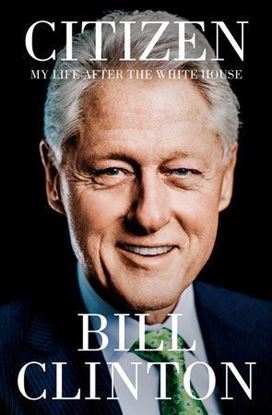
CITIZEN
On January 20, 2001, after nearly thirty years in politics—eight of them as president of the United States—Bill Clinton was suddenly a private citizen. Only fifty-four years old, full of energy and ideas, he wanted to make meaningful use of his skills, his relationships with world leaders, and all he’d learned in a lifetime of politics, but how? Just days after leaving the White House, the call came to aid victims of a devastating earthquake in India, and Clinton hit the ground running. Over the next two decades, he would create an enduring legacy of public service and advocacy work, from Indonesia to Louisiana, Northern Ireland to South Africa, and in the process reimagine philanthropy and redefine the impact a former president could have on the world.
1,995