

3,200
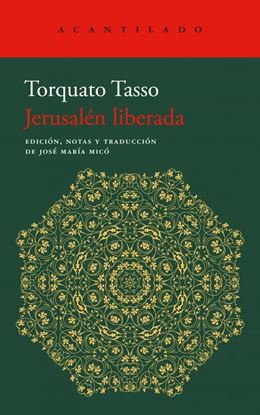
JERUSALEN LIBERADA
Con Jerusalén liberada, Torquato Tasso se propuso escribir un poema épico a la altura de la Ilíada y la Eneida, pero no inspirado en la mitología, sino en un hecho histórico: la conquista cristiana de Jerusalén durante la Primera Cruzada. El sitio de la ciudad ofrecía el marco para la restauración de la epopeya clásica, pero la imaginación poética le infundió su pathos, porque Tasso jamás renunció a la voluntad de asombrar al lector ni a la convicción de que el verso era el medio para lograrlo. Mezclando verdad y ficción, armas y amores, fábula y tragedia, creó una epopeya moral sublime, reflexiva y melancólica, y no sólo cantó la gloria de los vencedores, sino que puso la poesía al servicio de los vencidos. Publicada en 1 5 8 1, la obra no tardó en convertirse en una de las más leídas y apreciadas de Europa, e inspiró a generaciones de pintores, músicos y escritores: de Tintoretto a Delacroix, de Monteverdi y Händel a Dvořák, y de Milton y Rousseau a Goethe y Byron, todos sucumbieron a los encantos de esta extraordinaria gesta que los melódicos versos de José María Micó logran verter al español con precisión y desenvoltura.
3,200
3,200
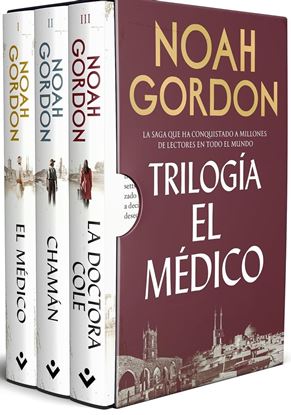
ESTUCHE TRILOGIA EL MEDICO
El médico
Inglaterra, siglo XI. A sus nueve años, tras la muerte de su madre y la pérdida de su hogar, Rob J. Cole se da cuenta de que tiene un don extraordinario: con solo tocar a una persona puede descubrir si está o no cerca de la muerte. Bajo la tutela de Henry Croft, cirujano barbero que recorre el país ejerciendo de curandero, su don crece, así como su pasión por la medicina.
Tras la muerte de su maestro, Rob continua con el negocio, pero el encuentro con un médico judío que le habla del más eminente doctor de la remota Persia, Ibn Sina o Avicena, le impulsa a hacer realidad su sueño. Rob viajará a Oriente, haciéndose pasar por judío y sumergiéndose en nuevos idiomas, dispuesto a estudiar medicina en la madraza de Ispahán. Allí marcará su destino y el de su familia para siempre.
Chamán
Norteamérica, siglo XIX. Vástago de una familia que ha practicado la medicina a lo largo de los años, el doctor Robert Judson Cole abandona su Escocia natal buscando un mejor futuro rumbo al Oeste americano junto a su hijo, Robert Jefferson Cole, con el que comparte la pasión por el arte de sanar.
Partirán a las tierras de Gettysburg, un territorio que los colonos todavía no han podido arrebatar a los indios sauk. Dispuestos a estudiar las desconcertantes tradiciones curativas de los nativos americanos, padre e hijo parecen haber logrado asentarse. Sin embargo, no han contado con el vórtice sangriento de la Guerra de Secesión, de la que nadie puede escapar...
La doctora Cole
Norteamérica, siglo XX. Roberta Jeanne d'Arc Cole, a punto de ser nombrada subdirectora de medicina en un hospital de Boston, casada con un cirujano y dueña de una residencia en Cambridge y una casa de verano en Berkshire, no se espera que de golpe todo se desmorone.
3,200
3,300
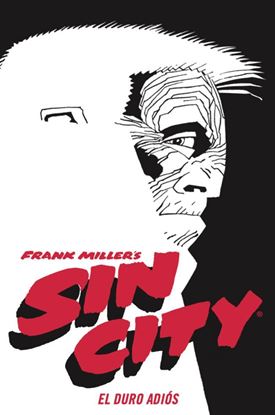
SIN CITY 1. EL DURO ADIOS (TD)
¡REGRESA LA OBRA MAESTRA DEL CÓMIC DE GÉNERO NEGRO EN UNA DOBLE NUEVA EDICIÓN!
3,300