

950
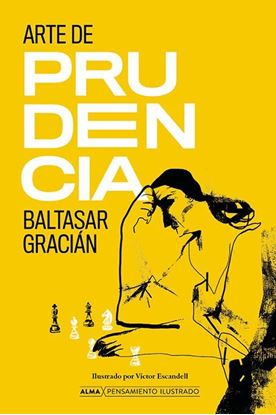
EL ARTE DE PRUDENCIA (ALMA) (TD)
Baltasar Gracián reúne en esta obra 300 aforismos e ideas sobre la conducta humana presentes en sus obras, a las que añade comentarios explicativos no menos valiosos.
El autor, conocido por su conceptismo propenso a juegos de palabras y sentidos, tiende a sintetizar y «oscurecer», pues está convencido de que así el lector aprovechará más su mensaje.
Esto, que puede convertir en difíciles algunos textos, les concede, al mismo tiempo, una belleza poco común y les permite conservar su vigencia y utilidad práctica. Hasta tal punto, que desde la década de los noventa este libro es un éxito de ventas en muchos países, en donde se presenta como manual de instrucciones y consejero «sobre cómo llevar una vida de éxito, pero responsable, en una sociedad gobernada por el egoísmo».
«Lo bueno, si breve, dos veces bueno.»
950
950
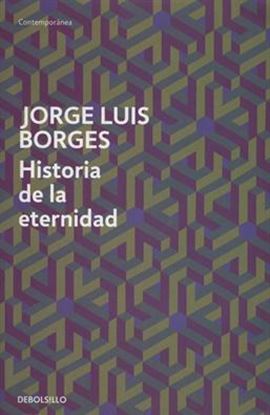
HISTORIA DE LA ETERNIDAD (BOL)
En los tratados contenidos en este volumen, Borges habla de la esencia del tiempo, que se concreta bien en el mecanismo de una metáfora, bien en una refutación filosófica. El asunto es la coincidencia, la ocupación de un mismo lugar físico o mental, la repetición, la versión. Así, el ensayo sobre los traductores de Las mil y una noches tiene su eco en los símiles de la literatura germánica antigua; la doctrina de los ciclos halla su espejo en las enseñanzas de la termodinámica. Historia de la eternidad, cuya primera edición data de 1936, prefigura ya los contornos del Borges del medio siglo posterior.
950
950
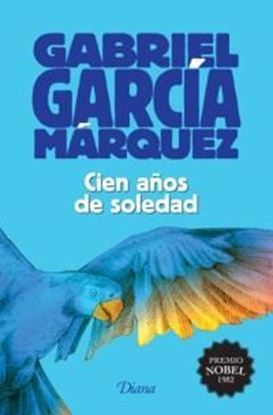
CIEN AÑOS DE SOLEDAD (DIANA) (BOL)
Mito por derecho propio, saludada por sus lectores como la obra en español más importante después de la Biblia, Cien años de soledad cuenta la saga de la familia Buendía y su maldición, que castiga el matrimonio entre parientes dándoles hijos con cola de cerdo. Como un río desbordante, a lo largo de un siglo se entretejerán sus destinos por medio de sucesos marvillosos en el fantástico pueblo de Macondo, en una narración que es la cumbre indiscutible del realismo mágico y la literatura del boom. Alegoria universal, es también una visión de América Latina y una parábola sobre la historia humana.
950
950
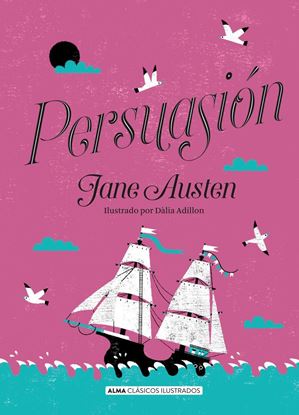
PERSUASION (CLASICOS ALMA)
Persuasión es la culminación del ciclo con el que Jane Austen estableció los cánones del feminismo literario y de la novela decimonónica. Aparecida de manera póstuma en 1818, es un perfecto compendio de las preocupaciones de la autora británica. En ella Austen nos ofrece una auténtica obra de madurez y una brillante reflexión sobre el paso del tiempo.
950
950
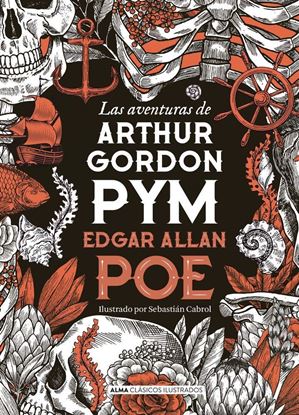
LAS AVENTURAS ARTHUR GORDON PYM (ALMA)
Edgar Allan Poe fue uno de los pioneros indiscutibles del cuento de terror y la ciencia ficción. No es exagerado afirmar que ningún otro autor ha ejercidotanta influencia y ha generado tantas corrientes literarias como Poe. Este título marca un punto y aparte en su obra por tratarse de la única novela queescribió. Lo que comienza como una fascinante hazaña marina, da paso a unaestremecedora aventura fantástica y de terror que fue completada por autores de la talla de Julio Verne y H. P. Lovecraft.
950
950
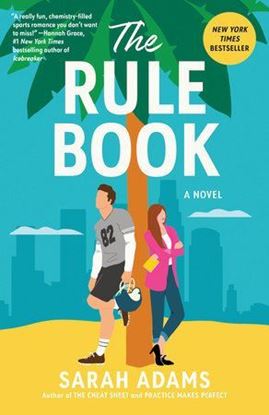
THE RULE BOOK
Nora Mackenzie’s entire career lies in the hands of famous NFL tight end Derek Pender, who also happens to be her extremely hot college ex-boyfriend. Nora didn’t end things as gracefully as she could have back then, and now it has come back to haunt her. Derek is her first client as an official full-time sports agent and he’s holding a grudge.
Derek has set his sights on a little friendly revenge. If Nora Mackenzie, the first girl to ever break his heart, wants to be his agent, oh, he’ll let her be his agent. The plan is simple: make Nora’s life absolutely miserable. But if Derek knows anything about the woman he once loved—she won’t quit easily.
950
950
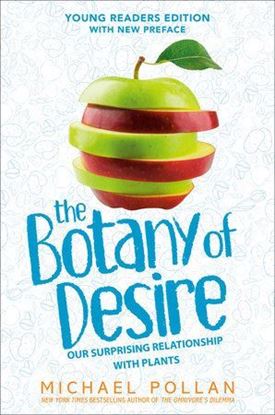
BOTANY OF DESIRE YOUNG READERS
In this entertaining young readers edition of the environmental studies classic, Michael Pollan demonstrates how people and domesticated plants have formed a reciprocal relationship. He links four fundamental human desires—sweetness, beauty, energy, and control—with the plants that satisfy them: the apple, the tulip, coffee, and the potato. In telling the stories of four familiar species, Pollan illustrates how the plants have evolved to satisfy humankind’s most basic yearnings. And just as we’ve benefited from these plants, we have also helped them to thrive.
950

950
BORROW MY HEART
Wren is used to being called a control freak. She doesn’t care; sticking to the list of rules she created for herself helps her navigate life. But when a cute guy named Asher walks through the door of her neighborhood coffee shop, the rulebook goes out the window.
Asher is cute, charming . . . and being catfished by his online crush. So Wren makes an uncharacteristically impulsive decision—she pretends to be the girl he’s waiting for to save him from embarrassment. Suddenly she’s fake-dating a boy she knows nothing about. And it’s . . . amazing.
It’s not long before Asher has her breaking even more of her own rules. But will he forgive her when he finds out she’s not who she says she is? Wren’s not so sure. . . . After all, rules exist for a reason.
950
950
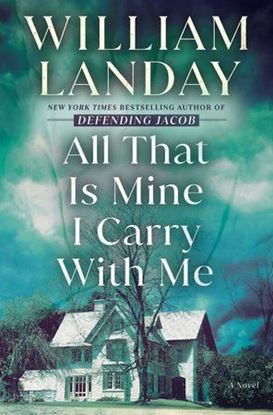
ALL THAT IS MINE I CARRY WITH ME
One afternoon in November 1975, ten-year-old Miranda Larkin comes home from school to find her house eerily quiet. Her mother is missing. Nothing else is out of place. There is no sign of struggle. Her mom’s pocketbook remains in the front hall, in its usual spot.
So begins a mystery that will span a lifetime. What happened to Jane Larkin?
Investigators suspect Jane’s husband. A criminal defense attorney, Dan Larkin would surely be an expert in outfoxing the police.
But no evidence is found linking him to a crime, and the case fades from the public’s memory, a simmering, unresolved riddle. Jane’s three children—Alex, Jeff, and Miranda—are left to be raised by the man who may have murdered their mother.
Two decades later, the remains of Jane Larkin are found. The investigation is awakened. The children, now grown, are forced to choose sides. With their father or against him? Guilty or innocent? And what happens if they are wrong?
950