



900
LIBRO DE SUEÑOS (BOL)
En este volumen, Borges presenta relatos de paisaje onírico de distintas épocas y documenta lo que ha soñado el hombre desde que es hombre, discurriendo por el sendero que va de las primeras civilizaciones a Kafka, revisando los trances proféticos del Antiguo Testamento, las epopeyas clásicas o la filosofía china. Una fabulosa antología, en definitiva, que consagra el sueño como el más antiguo y complejo de los géneros literarios.
900

900
NOVELAS (F. O'CONNOR) (BOL)
A partir de entonces, Tarwater vive una íntima batalla entre su fe innata y las voces que le llaman a ser profeta, mientras Rayber trata de llevarle a un mundo más razonable y moderno. Lúcida y tormentosa, radical y sobrecogedora, la obra de Flannery O'Connor constituye una de las aventuras más intensas de la literatura de todos los tiempos.
900

900
EL HACEDOR (BOL)
En El hocedor confluyen las simbologías de Oriente y Occidente, el cosmos y las cosmogonías, los siglos, las dinastías, lo universal y lo profundamente local: Heráclito, Homero, Dante con Rosas, Facundo y Juan Muraña. Tal diversidad de temas se corresponde con una multiplicidad de géneros. Así, los relatos, poemas y ensayos de estas páginas terminan configurando uno de los libros más personales del autor; una miscelánea que da cuenta de las preocupaciones que recorren toda la obra borgiana.
900
900
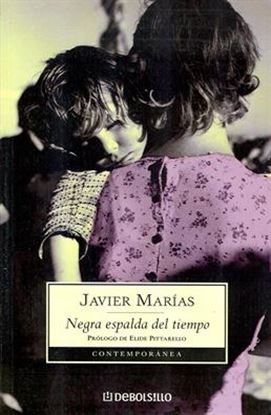
NEGRA ESPALDA DEL TIEMPO (BOL)
Una novela -Ibdas las almas-, en la que sólo una ciudad, Oxford, y un escritor rey de un reino sin trono en la pequeña isla de Redonda eran reales, consiguió que sus lectores se empeñaran en confundir lo ficticio con lo real, por lo que su autor, desbordado, decidió convertir lo real en ficticio. Y así, en Negra espalda del tiempo, encontramos un niño zurdo que escribe su nombre -Xavier- al revés, de derecha a izquierda, en un quizá no del todo involuntario deseo de retroceder; un hermano muerto; un escritor que, después de sobrevivir a la Primera Guerra Mundial, se cruzó en México con una bala perdida; una maldición en La Habana; un piloto mercenario y tuerto al que la muerte siempre pasaba de largo, y tantos otros, transportados al revés del tiempo, allí donde «aún no ha pasado ni se ha perdido, y quizá por eso no es ni siquiera tiempo». El único lugar donde la convivencia entre vivos y muertos parece ser posible.
900

900
LA NUEVA MELUSINA
La nueva Melusina, publicada en 1817, es un cuento donde Goethe nos relata la más singular aventura de amor que imaginarse pueda, una historia fantástica que hunde sus
raíces en las viejas fábulas maravillosas de tradición oral, procedentes del medievo y recogidas en chansons y romans caballerescos, que permearán los siglos posteriores e inspirarán a autores de primer nivel.
La nueva Melusina es una versión sui generis de la leyenda de la misteriosa Melusina (una mujer mitad hada, mitad serpiente), aunque se presenta como una pieza original fruto de la fantasía del autor del Fausto, que se distancia intencionadamente en estructura, forma y, sobre todo, contenido de la Melusina original, aunque conserva el mismo aroma fabuloso y feérico de aquélla, junto con la ácida crítica al deseo desenfrenado de riqueza y ociosa pasividad de los nuevos ricos.
900
900
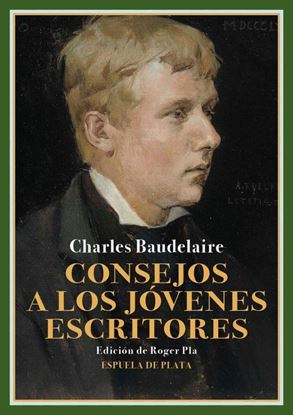
CONSEJO A LOS JOVENES ESCRITORES
Inspirados en los Consejos a un periodista de Voltaire, estos Consejos a los jóvenes escritores se publicaron originalmente en 1846, cuando Baudelaire apenas contaba veinticinco años de edad, y se relacionan con su Selección de máximas consoladoras. Tales vestigios juveniles contienen, in nuce, las ideas esenciales del autor respecto al arte de vivir y el oficio de poeta. El libro se complementa con los «Proyectos de prólogos para las ediciones de Las flores del mal», en cuyos bosquejos se desgranan las presunciones del autor en torno a su concepción de la poesía, esto es, preservar los fragmentos de verdad, de bondad y de belleza antes que desaparezcan para siempre. Los vestigios y las presunciones que aparecen en estos escritos constituyen un vademécum o código de civilidad dedicado a los jóvenes literatos, en los que el poeta rebelde hace uso de «una ternura completamente fraternal», no sin leves destellos de ironía. «La rebelión de Baudelaire», en palabras de Walter Benjamin, «ha conservado el carácter del hombre asocial: ella no tiene salida». Comoquiera que sea, mientras la sociedad no se muestre favorable al individuo, seguirá siendo la única rebelión posible. Manuel Neila
«Charles Baudelaire, antes de convertirse en el inmortal autor de Las flores del mal, fue un joven que quiso hacerse un hueco como todo el mundo: a codazos y queriendo aparentar la sabiduría que, por edad, no podía ser más que intuición. Estos escritos demuestran que, pese a alguna que otra ingenuidad, tenía claro desde muy pronto el camino que le llevaría a cambiar el rumbo de la poesía universal». Martín López-Vega
900