

950
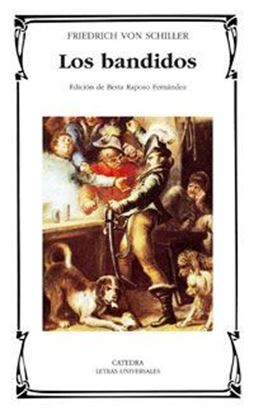
LOS BANDIDOS
Friedrich Schiller comenzó a escribir "Los bandidos" cuando apenas tenía diecisiete años y era alumno de la Academia Superior Militar. Esta institución, máxima expresión de un absolutismo ilustrado en su versión más represiva, acogía en su seno a los jóvenes más capacitados del reino, rigurosamente seleccionados para ser formados en carreras técnicas y administrativas, con el fin de crear una reserva de talentos destinados a trabajar en los más altos puestos del estado. Los incidentes que se produjeron durante el estreno de la obra y la insostenible situación que le creo al autor llevaron a Schiller a dar el amargo paso del autoexilio y abocaron, sin embargo, a "Los bandidos" a una carrera teatral imparable. "Los bandidos" se inscribe en las tendencias dramatúrgicas de la Ilustración y del "Sturm und Drang", con un lenguaje provocativo y en ocasiones soez. Pero también tiene muchos rasgos extemporáneos que están en claro contraste con esas dos tendencias: la falta de naturalidad y espontaneidad, el patetismo que a veces roza el ridículo, rasgos escénicos regresivos que combinados con las más radicales manifestaciones fundamentan y configuran el rango extraordinario de esta historia de dos hermanos enemigos y antagónicos, unidos, sin embargo, por el enfrentamiento con el padre.
950
950
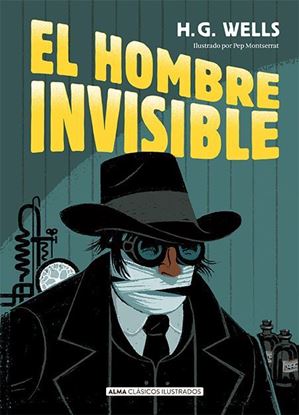
EL HOMBRE INVISIBLE (CLA.ILUS)(ALMA)(TD)
Un frío día de invierno un desconocido llega a la posada de una pequeña localidad inglesa, abrigado de pies a cabeza, con gafas oscuras y vendas en la cara. Su carácter reservado levanta sospechas entre los vecinos, por lo que, cuando empiezan a suceder acontecimientos extraños, deciden averiguar quién es ese personaje cuyo rostro no han visto.
Publicada originalmente en 1897, El hombre invisible cuenta las contradicciones de un joven y ambicioso científico que, tras un largo y arduo trabajo, encuentra la fórmula de la invisibilidad. Pero lo que inicialmente parecía un logro brillante termina convirtiéndose en una pesadilla. En esta novela H. G. Wells expone los peligros del mal uso de la ciencia y nos invita a reflexionar sobre sus límites éticos.
950
950
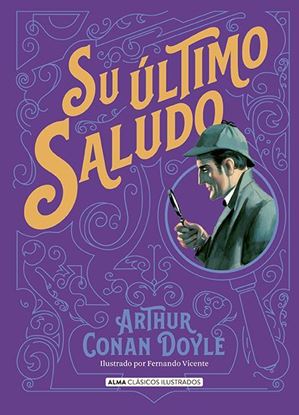
SU ULTIMO SALUDO (CLASICO ILUST.) (ALMA)
Aunque Arthur Conan Doyle escribió más historias de Sherlock Holmes, estas son las últimas en orden de cronología interna. Vemos aquí a un Holmes retirado en la campiña inglesa, más interesado por la apicultura que por resolver casos. Solo la inminente guerra con Alemania logrará sacar de su retiro voluntario a Holmes, que pondrá todo su ingenio y habilidades al servicio de su país en «Su último saludo».
Estos siete relatos crepusculares de Sherlock Holmes nos muestran cómo el genial inquilino del 221B de Baker Street se adapta a un mundo cambiante, eso sí, sin perder la capacidad de deleitar a los lectores.
950
950
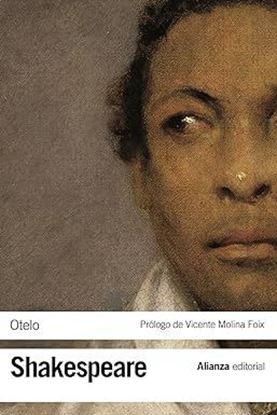
OTELO
Dentro de la amplia galería de personajes que a lo largo de las obras de William Shakespeare (1564-1616) encarnaron las más universales y comunes pasiones que mueven la naturaleza humana, Otelo ha pasado a representar el hombre destruido por los celos. Sin embargo, el tema crucial y más general de la obra es la desconfianza. Movida por este veneno que se esparce por sus diálogos e impregna las relaciones entre parejas, ya sean hombres y mujeres, ya jefes y subordinados, esta tragedia sigue resultando, hoy como ayer, una lectura tan subyugante como poderosa.
950
950
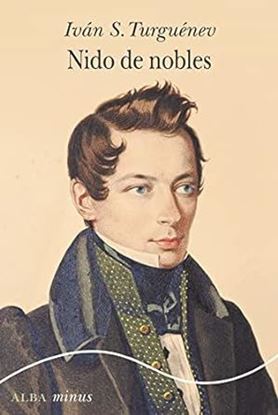
NIDO DE NOBLES (TB)
Lavretski, el heroe de esta novela, ha tenido una educación singular: su padre, un noble terrateniente que se fugó y casó con una sirvienta, y luego la dejó en Rusia para vivir "la vida alegre" de Europa, quiso hacer de el "no solo un hombre, sino un espartano". Ya mayor, y despues de una "boda por amor" y del correspondiente periplo europeo, vuelve a Rusia cabizbajo, separado de su mujer (que le engañaba) y expuesto al ridículo… pero con la firme convicción de emprender reformas y cuidar la tierra. Nido de nobles (1859) es una hermosa y melancólica novela sobre la persistencia del deseo, testimonio de una generación perdida en la Rusia del momento, una generación que solo podía levantarse "en medio de la oscuridad".
950
950
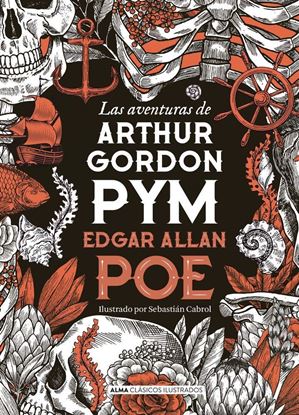
LAS AVENTURAS ARTHUR GORDON PYM (ALMA)
Edgar Allan Poe fue uno de los pioneros indiscutibles del cuento de terror y la ciencia ficción. No es exagerado afirmar que ningún otro autor ha ejercidotanta influencia y ha generado tantas corrientes literarias como Poe. Este título marca un punto y aparte en su obra por tratarse de la única novela queescribió. Lo que comienza como una fascinante hazaña marina, da paso a unaestremecedora aventura fantástica y de terror que fue completada por autores de la talla de Julio Verne y H. P. Lovecraft.
950