

950
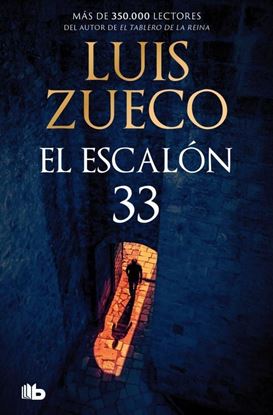
EL ESCALON 33 (BOL)
UN EXTRAÑO MANUSCRITO
Madrid, 2012. Silvia disfruta de una vida bastante tranquila; trabaja en la Biblioteca Nacional, tiene un grupo de amigas estupendas y todas las noches se pierde entre las páginas de uno de esos libros antiguos que colecciona con devoción. Hasta que un día llega a sus manos un misterioso manuscrito que lo cambia todo para siempre.
UN SECRETO ENTRE CASTILLOS MEDIEVALES
Cuando se dé cuenta de que la persiguen y de que su vida corre peligro, pedirá ayuda a Alex, un experto en castillos medievales, para descifrar el enigma. Juntos recorrerán España en una frenética carrera mientras esquivan a ladrones de arte, policías veteranos y sicarios sin escrúpulos.
950
950
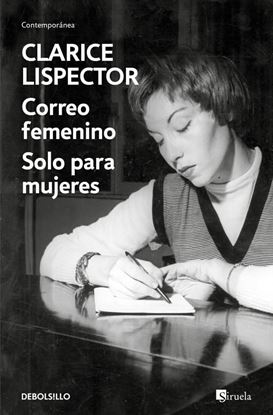
CORREO FEMENINO/SOLO PARA MUJERES (BOL)
En Correo femenino se reúnen por primera vez los textos de su fase inicial como escritora, donde aborda los temas más diversos, desde la educación de los hijos a los tratamientos de belleza o la búsqueda de la felicidad. Como una continuación de Correo femenino, Solo para mujeres recoge 290 crónicas publicadas, sobre todo, entre 1959 y 1961, cuando Clarice regresa a Río de Janeiro recién divorciada y comienza a trabajar escribiendo para la prensa. En este libro divertido y práctico, un auténtico almanaque de aquella época, la escritora nos muestra que, a pesar de las conquistas actuales de la mujer, la esencia femenina permanece igual.
950
950
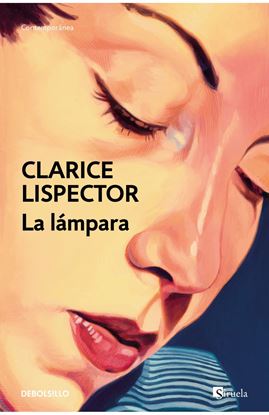
LA LAMPARA (BOL)
La lámpara es la segunda novela de Clarice Lispector y trata sobre la soledad y la introspección de Virginia, una joven que vive en un ambiente familiar opresivo y que se enfrenta a la posibilidad de un incesto con su hermano Daniel. La novela explora cómo la soledad de Virginia distorsiona su percepción de la realidad y la lleva a construir su propia versión de la verdad, a través de relaciones ambiguas y una intensa vida interior.
950

950
LA MANZANA EN LA OSCURIDAD (BOL)
La manzana en la oscuridad, cuarta novela de Clarice Lispector, es la crónica de la reconstrucción de un yo destruido. Martim está convencido de que ha asesinado a su esposa. En un delirio de culpa y pena, en mitad de la noche, comienza una huida que lo llevará al desierto más árido de Brasil, donde las piedras son sus únicas interlocutoras. Llegará a una hacienda aislada a cargo de Vitória, una solterona con miedo de vivir, y de su obsesiva prima Ermelinda, que tiene pánico a la muerte.
950
950
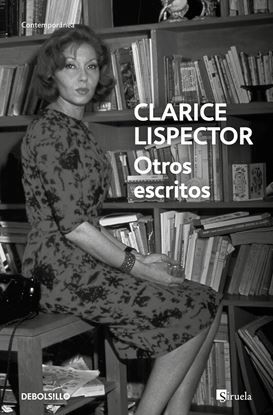
OTROS ESCRITOS (BOL)
Como un rompecabezas que no está completo sin todas las piezas, la literatura de Clarice se completa con estos escritos.
Este libro contiene algunas piezas esenciales para comprender la obra de Clarice Lispector. Seguir la impresionante entrevista que en 1976, un año antes de su muerte, concedió de manera excepcional es acercarse al misterio que ella quiso ser y plasmar con un lenguaje que va más allá de la palabra.
950
950
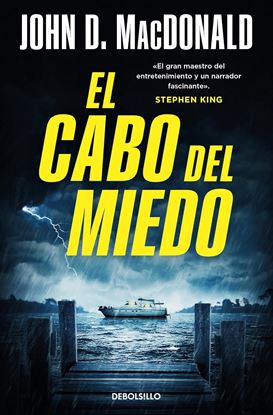
EL CABO DEL MIEDO (BOL)
Max Cady es un violador que lleva años en la cárcel, alimentando su odio hacia el hombre que lo encerró, el abogado Sam Bowden. Cuando obtiene la libertad condicional, Cady comienza a acosar a la familia de Bowden. A medida que aumenta la campaña de terror, la policía se ve impotente para proteger a la familia, que debe utilizar su ingenio para sobrevivir a un psicópata empeñado en vengarse.
950