


1,400
DEMON WITH BENEFITS (3): DELUXE LIMITED
They can run from their demons . . .
The jokester of the demon brothers, Meph wears his grin like armor and uses humor as a mask. But lately, his composure has been slipping, especially around her. Iris. The blue-haired witch with a vicious temperament. Something about her soothes the darkness within him . . . but he’s not looking for a savior. There’s no such thing for someone like him.
But they can’t hide forever . . .
Bitter and haunted by her traumatic past, Iris Donovan isn’t keen on welcoming demons into her life—even if they’re her sister’s friends. Especially not teasing, tattooed, Meph, with his red eyes and devilish smile. After a toxic relationship, she’s sworn off commitment, and she’s not looking for another Mr. Damaged. Yet she can’t stop craving what she shouldn’t want.
To conquer this monster . . . they must tame it together.
With the return of a deadly enemy, the pain they’ve been suppressing is exposed, and Meph and Iris can no longer deny their feelings. Before Meph is swallowed by his darkness, Iris must overcome her fears and embrace that terrible part of him . . .
Or lose him forever.
1,400

1,400

1,400
EXODUS: THE ARCHIMEDES ENGINE
Forty thousand years ago, humanity fled a dying Earth. Traveling in massive arkships, these brave pioneers spread out across the galaxy to find a new home. After traveling thousands of light-years, one fleet of arkships arrived at Centauri, a dense cluster of stars with a vast array of potentially habitable planets. The survivors of Earth signaled to the remaining arkships that humanity had finally found its new home among the stars.
Thousands of years later, the Centauri Cluster has flourished. The original settlers have evolved into advanced beings known as Celestials and divided themselves into powerful Dominions. One of the most influential is that of the Crown Celestials, an alliance of five great houses that controls vast areas of Centauri. As arkships continue to arrive, the remaining humans and their descendants must fight for survival against overwhelming odds or be forced into serving the Crown Dominion.
1,400
1,400
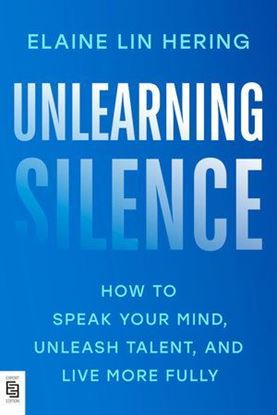
UNLEARNING SILENCE
Having a seat at the table doesn’t mean that your voice is actually welcome. Knowing something is wrong doesn't mean it's easy to speak up. In fact, there are incentives for many of us to stay silent. Why speak up if you know that it won’t be received well, and in fact, often makes things worse?
In Unlearning Silence, Hering explores how we’ve learned to be silent, how we’ve benefited from silence, how we’ve silenced other people—and how we might choose another way. She teaches how to recognize and unlearn unconscious patterns so we can make more intentional choices about how we want to show up in at home and at work. Only by unlearning silence can we more fully unleash talent, speak our minds, and be more complete versions of ourselves… and help other people do the same.
With compassion, clarity, and understanding, Hering guides readers through real-life examples and offers a concrete road map for doing this vital and challenging work.
1,400
1,400
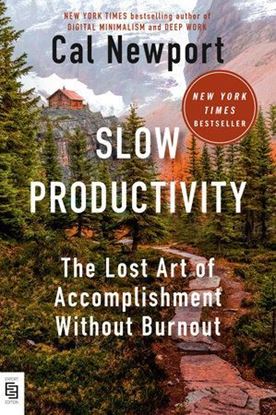
SLOW PRODUCTIVITY
Our current definition of “productivity” is broken. It pushes us to treat busyness as a proxy for useful effort, leading to impossibly lengthy task lists and ceaseless meetings. We’re overwhelmed by all we have to do and on the edge of burnout, left to decide between giving into soul-sapping hustle culture or rejecting ambition altogether. But are these really our only choices?
Long before the arrival of pinging inboxes and clogged schedules, history’s most creative and impactful philosophers, scientists, artists, and writers mastered the art of producing valuable work with staying power. In this timely and provocative book, Cal Newport harnesses the wisdom of these traditional knowledge workers to radically transform our modern jobs. Drawing from deep research on the habits and mindsets of a varied cast of storied thinkers – from Galileo and Isaac Newton, to Jane Austen and Georgia O’Keefe – Newport lays out the key principles of “slow productivity,” a more sustainable alternative to the aimless overwhelm that defines our current moment. Combining cultural criticism with systematic pragmatism, Newport deconstructs the absurdities inherent in standard notions of productivity, and then provides step-by-step advice for cultivating a slower, more humane alternative.
1,400
1,400
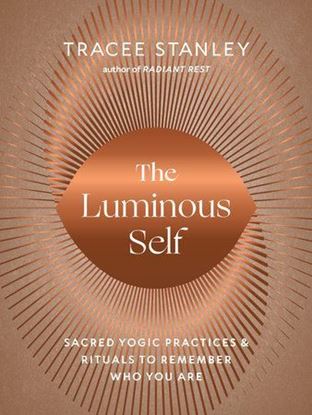
THE LUMINOUS SELF
The Luminous Self shares teachings and practices that can help us connect with our true Self and reclaim our inherent power and wisdom—essential for living with purpose and grace in our turbulent world. In this book, Tracee Stanley shares teachings and practices in each chapter—including meditation, yoga nidra, breath work, dreaming rituals, community care practices, journaling, and more—that can help us remember and honor our deepest Self.
The book is a journey of inner exploration for anyone who desires to know themselves more deeply. Chapters introduce different paths to personal discernment—including facing obstacles to liberation, forgiveness, the power of memory, transitions as portals to wisdom and devotion, and nature as a teacher—and include stories from Stanley’s life, teachings, and practice.
1,400

1,400
BORGES ESENCIAL (RAE)
Nueva edición conmemorativa de la Real Academia Española y la Asociación de Academias de la Lengua Española que incluye lo mejor de la obra de Jorge Luis Borges, uno de los escritores más importantes del siglo XX. La obra fundamental del maestro de la ficción contemporánea.Jorge Luis Borges es uno de los escritores contemporáneos en lengua española más importantes e influyentes. Su obra trasciende las fronteras del idioma para convertirse en una aportación universalmente reconocida a la literatura y el pensamiento contemporáneos.El presente volumen incluye los textos íntegros de Ficciones y El Aleph, dos de sus obras narrativas más representativas, así como una selección de sus poemas y textos ensayísticos. En definitiva, esta edición ofrece una visión amplia de la dimensión literaria de Borges.
1,400
1,400
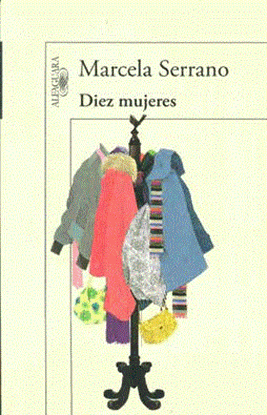
DIEZ MUJERES
Un retrato implacable del alma femenina por la autora de El albergue de las mujeres tristes. Nueve mujeres, muy distintas entre sí y que nunca se han visto antes, comparten sus historias. Natasha, su terapeuta, ha decidido reunirlas en la convicción de que las heridas empiezan a sanar cuando se rompen las cadenas del silencio. No importa el origen ni la extracción social, la edad o la profesión: todas acarrean sobre sus hombros el peso del miedo, la soledad, el deseo, las inseguridades. A veces ante un pasado que no pueden dejar atrás; otras, ante un presente que no se parece a lo que habrían deseado, o un futuro que las asusta. Madres, hijas, esposas, viudas, amantes: guiadas por Natasha, las protagonistas aceptan el desafío de comprender y reinventar sus vidas. Una novela que sorprende, conmueve y deja en vilo: una mirada reveladora y valiente a las relaciones humanas en el mundo de hoy.
1,400

1,400
LAS BELLAS EXTRANJERAS
Mircea Cartarescu, autor de las visionarias «Nostalgia» o «Lulu», aborda tres relatos magistrales, cargados de un humor amargo y brutal. El volumen se abre con «Ántrax», que narra, en plena paranoia post-11-S, cómo el autor recibe un sospechoso sobre desde Dinamarca, hecho que moviliza al kafkiano establishment policial rumano. En «Las Bellas Extranjeras», indudable pièce de résistance del volumen, asistimos al delirante viaje del autor en compañía de once escritores rumanos a tierras francesas, un descenso a los infiernos que alcanza, por momentos, la grandeza de lo grotesco. En «El viaje del hambre», un joven Cartarescu aspirante a poeta en la época previa a la caída del comunismo, es invitado por un grupo de escritores de una ciudad de provincias y se ve arrastrado a un sinfín de situaciones absurdas con el estómago vacío y muerto de frío. Un libro magistral por el que desfilan escritores, artistas, policías, estudiantes, funcionarios culturales y hasta fantasmas: tres relatos cargados de un humor que nos lleva de la sonrisa cómplice a la abierta carcajada.
1,400